

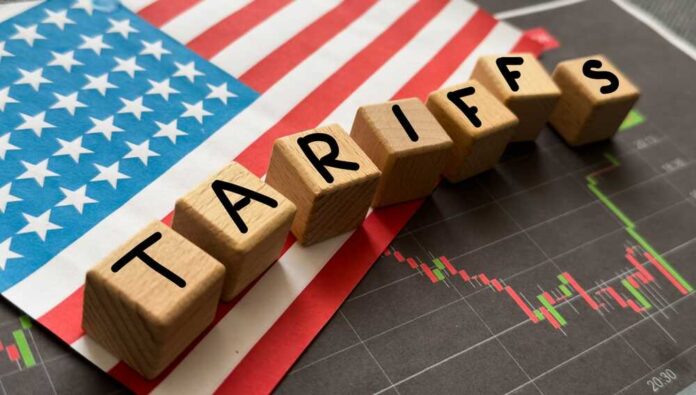
Trump’s new tariffs have amassed over $200 billion in revenue, sparking debate over their legality and economic impact.
Story Highlights
- U.S. Customs reports $200 billion collected from new tariffs under Trump’s administration.
- The Supreme Court is reviewing the legality of these unilateral tariffs.
- Trump’s tariffs target global imports and specific countries over narcotics issues.
Trump’s Tariff Triumph or Trouble?
As of December 2025, the United States has collected over $200 billion in tariffs, attributed to new duties imposed by President Donald Trump since the start of the year.
These tariffs, enacted through over 40 executive orders, aim to bolster national and economic security. However, they have ignited legal challenges and economic debates, with the Supreme Court evaluating their legality due to the lack of congressional approval.
The new tariffs, distinct from those during Trump’s first term, face scrutiny as they were implemented without legislative consent. This has led to a decline in freight shipments to the U.S., reflecting the economic tension surrounding these policies.
New Trump tariffs collection hits $200 billion, Customs says https://t.co/upJg9vY8l2
— CNBC (@CNBC) December 15, 2025
Targeted Tariffs and Economic Impact
Trump’s administration has labeled these measures as “reciprocal tariffs” and introduced “fentanyl tariffs” against Canada, China, and Mexico, citing their failure to control the flow of deadly narcotics.
While the tariffs aim to protect American industries and uphold trade laws, they have also prompted companies like Costco to challenge the administration in court for tariff refunds, spotlighting the ongoing contention.
The tariffs saw a slight decline in November, with collections dropping from $31.15 billion in October to $30.75 billion. This decrease is attributed to reduced freight shipments and adjustments in duty rates.
Legal and Constitutional Scrutiny
The legality of Trump’s tariffs hinges on constitutional interpretations of congressional powers. In August, the U.S. Court of Appeals for the Federal Circuit upheld a ruling that Trump lacked authority to impose tariffs without congressional consent.
The Supreme Court’s decision could lead to significant fiscal implications if refunds are mandated for companies that have paid these duties.
As the legal proceedings continue, the debate over the balance of power between the executive and legislative branches remains a focal point, with potential impacts on future economic policies and international trade relations.