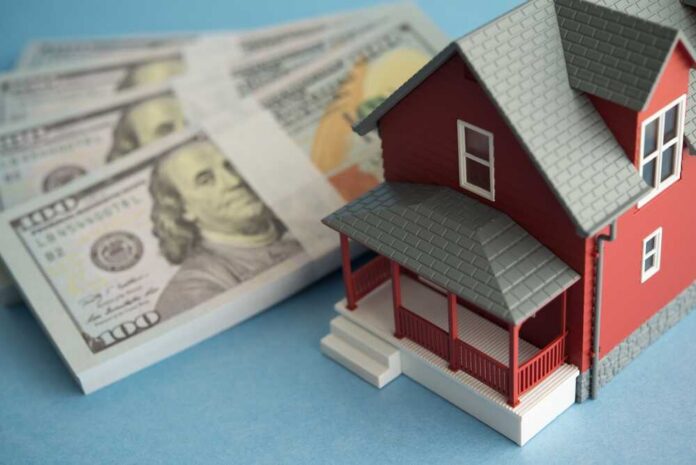
Rich buyers are starting bidding wars while first-time buyers watch their dream homes sit unsold for weeks.
Quick Take
- Zillow reports starter home sales fell 5.4% year-over-year in May 2026, while luxury home sales jumped 6.2% in the same month.
- Starter home inventory rose 4.5% year-over-year, giving buyers more choices and more room to negotiate.
- Luxury home values have out-gained typical homes for five straight months, a reversal after years of lagging behind.
- Wealthier buyers face less pressure from high mortgage rates, since many pay cash or tap stock market gains.
Two Markets Moving In Opposite Directions
Zillow’s July 29, 2026 report describes a housing market “splitting in two.” Luxury homes are drawing strong demand, while starter homes are struggling to move. The numbers back it up.
Starter home sales dropped 5.4% year-over-year in May, but luxury sales climbed 6.2% over that same stretch. That is not a small gap. It is two different economies wearing the same real estate sign.
Home prices rose in 80% of metro markets during the second quarter of 2026; this is up from 71% in the first quarter. The national median single-family existing-home price rose 1.5% YoY to $434,900, up from 0.5% annual growth in the first quarter.https://t.co/Pe1O0L8RIH pic.twitter.com/15KWth1zKg
— NAR Research (@NAR_Research) August 4, 2026
The pattern goes beyond one month of data. Zillow’s research shows luxury home values have grown faster than typical homes for five consecutive months, something that had not happened in years.
For a long stretch, luxury prices actually trailed the broader market. Now the top tier is pulling ahead again, a sign that wealthy buyers are stepping back into the market with confidence ordinary families simply do not have right now.
Why The Gap Keeps Widening
Money explains most of this split. Wealthy buyers are less rattled by high mortgage rates because many pay in cash or lean on stock portfolio gains and home equity built up over years. Middle-class and first-time buyers do not have that cushion.
They depend on financing, and today’s rates eat deeply into what they can afford. That single difference is driving two very different buying experiences under one roof of national headlines.
Inventory tells the same story from another angle. Starter homes are piling up on the market, up 4.5% from a year ago, with more price cuts and fewer bidding wars.
Sellers in that price range are having to work harder to close a deal. Meanwhile, luxury listings are getting scooped up fast, with buyers competing and paying full price or more to win them.
What This Means For Everyday Families
For a starter-home buyer, the numbers actually offer a silver lining. More homes to choose from, more price cuts, and less competition mean more negotiating power than buyers have had in years.
That is real leverage, even if affordability overall remains tight. A patient buyer willing to shop carefully may find better deals now than at almost any point since the pandemic housing boom.
Still, more choices do not erase the affordability math. Mortgage rates and stretched incomes remain the real obstacle for working families trying to buy their first home.
The typical U.S. home value sat at $368,720 in May, up less than 1% from a year earlier, while rents kept climbing faster. Slower price growth helps, but it is not the same as homes becoming truly affordable again.
A Market Split That Fits A Bigger Pattern
Housing analysts note this kind of split is not new. Tiered markets often move in different directions at the same time, especially when affordability gets squeezed.
What makes this moment notable is the size of the gap and how long it has lasted. Five straight months of luxury homes outperforming the broader market is a real trend, not a one-month blip.
Some coverage adds nuance worth noting. One report found starter home inventory nationally still outweighs luxury inventory by a wide margin, even as luxury sales grow faster in percentage terms.
That is a fair reminder that percentages can make a smaller market look more dramatic than it is. The overall trend, though, still points toward two very different buying experiences for two very different kinds of buyers.
For families earning average wages, the message is clear enough. Wall Street gains and cash reserves are giving wealthier Americans room to shop freely, while everyday buyers wait, save, and hope rates ease.
Free markets reward capital, and right now capital has the upper hand. Real relief for working families will likely require lower rates or serious new home construction, not just a shift in bargaining power at the starter-home table.
The U.S. housing market is trending in two different directions as a new report from Zillow finds that while demand for luxury homes is surging, starter home sales are softening with growing inventory.
Zillow's data defines starter homes as those in the 5th to 35th percentile of…
— News News News (@NewsNew97351204) August 3, 2026
Zillow’s data gives a clear snapshot of where the market stands today, even if next month’s numbers could shift again. For now, the split is real, measurable, and shaping who gets to buy a home on their own terms and who has to wait it out.
Sources:
foxbusiness.com, investors.zillowgroup.com, wealthprofessional.ca, billingslistings.com, zillow.com