
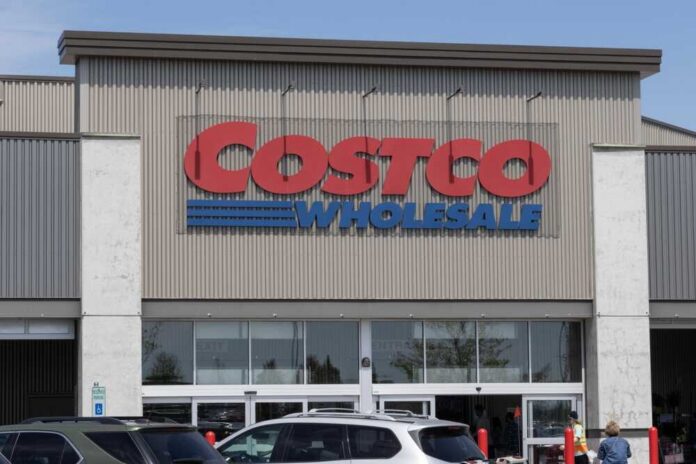
Costco nearly doubled the price of its Kirkland motor oil and set strict weekly limits to keep shelves from getting cleared out.
Story Snapshot
- Kirkland full-synthetic 10-quart case now lists near $58, up from about $30
- Members limited to one transaction per week, max two units every seven days
- Mobil 1 cases also face purchase caps alongside Kirkland
- Move follows tightening supplies of key synthetic base oils this year
Costco raises price and rations motor oil to manage demand
Costco raised the online price of its Kirkland Signature full-synthetic motor oil two-pack of five-quart bottles to about $58, up from roughly $30 last year, and imposed buying limits.
The posted message restricts members to one transaction per week with a maximum of two units every seven days. The company also set limits on select Mobil 1 cases. These actions align with standard retail steps to curb stockpiling when supply tightens and demand spikes.
Costco’s product page language cited by national outlets mirrors the rationing rules many retailers used during past shortages. Such limits try to spread inventory across more shoppers when a hard cap on supply meets steady or rising demand.
The price jump does the same job from a different angle. Higher prices slow bulk buys and make resellers think twice. The club’s move suggests it wants availability for regular members rather than a few heavy buyers.
Why synthetic oil got squeezed this year
Motor oil makers rely on specific base oils to blend modern full-synthetic formulas. Trade groups and industry trackers flagged tight supplies of Group Three base oils due to refinery outages and shipping risks around the Strait of Hormuz.
That choke point matters because key producers ship from the Gulf. Fewer barrels and slower lanes lift input costs fast. Retailers then see uneven deliveries and must stretch inventory week to week as prices climb.
Costco is rationing motor oil as a global lubricant shortage hits warehouse shelves. 🛢️
To combat hoarders and supply stress, Costco is capping Kirkland purchases at two units per customer per week.
Read more: https://t.co/RtMHKceMK3 pic.twitter.com/iiOwgiVO5s
— Yahoo Finance (@YahooFinance) September 14, 2026
Lubricant wholesalers reported compressed price increases across the supply chain this spring and summer as base oils and freight rose together. When a core ingredient costs more and moves slower, the finished jug costs more on the shelf.
Academic and industry research show purchase limits can work with price hikes during severe shortages, helping keep goods available for more households. The effect is not perfect, but it can blunt panic buying and reselling that empty racks faster.
What the limits mean for drivers and shops
DIY drivers who service several cars now need to plan ahead. The two-unit weekly cap covers most routine needs but blocks large stock-ups. Independent repair shops that rely on warehouse clubs for fill-ins will feel the pinch first.
Shops already face longer lead times from distributors and higher invoice prices on synthetic blends and full synthetics. Expect more “call-ahead” checks, fewer promo deals, and tighter substitutions across weights that meet the same specifications.
Budget-wise, a jump from about $30 to near $58 for a 10-quart case can add $10 to $20 per oil change depending on the vehicle and filter price. That hits high-mileage families and small businesses with fleets.
The practical response is simple: stick to the oil grade your car manual specifies, avoid hoarding, and shop brands by certification rather than label shine. If Kirkland is out, a certified equivalent that meets the same automaker spec will protect the engine just as well.
Common sense on price, limits, and fairness
Retailers exist to move product, not store it. When supply tightens, they raise prices and ration to keep goods available to more paying members. That is not a scandal; it is basic market discipline. Price signals tell us resources grew scarce.
Purchase caps defend everyday buyers against opportunists who would clear aisles to flip cases online. That balance respects property rights, encourages prudent use, and rewards those who plan ahead without punishing families with empty shelves.
Global oil disruptions have pushed Costco to almost double the price of Kirkland motor oil and cap customer purchases.
More here: https://t.co/LZRNrrStW9 pic.twitter.com/MMCtNwXDcn
— KHON2 News (@KHONnews) September 15, 2026
Some will still argue that limits feel heavy-handed when the price already jumped. Research suggests both tools together make sense when shortages turn severe. The goal is not to please every shopper in the moment. The goal is to keep the essential item flowing to the most people over time.
For now, Costco’s move fits that playbook. Watch two signals next: whether base oil shipments stabilize, and whether the caps loosen as deliveries catch up.
Sources:
foxbusiness.com, cnbc.com, apnews.com, lydenoil.com, axios.com