
Sixteen people now face federal election-crime charges that cut across seven states and several schemes, and the details show how small acts can still threaten trust.
Story Snapshot
- Justice Department charged 16 people in election-crime cases across the country.
- Allegations include illegal voting, false citizenship claims, and double voting.
- Cases arose from recent election cycles and span multiple jurisdictions.
- Election-crime prosecutions are real but remain numerically rare.
What DOJ Says Happened And Why It Matters
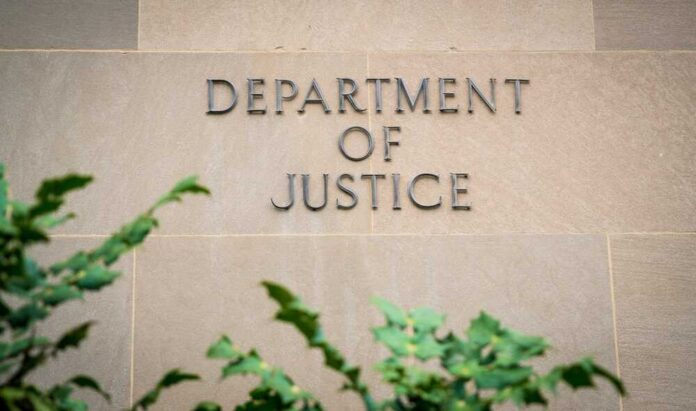
The Department of Justice announced charges against 16 individuals tied to illegal voting and related crimes. The cases include alleged voting by noncitizens, false claims of United States citizenship to register or vote, voting more than once in the same election, submitting registrations for the dead, and false statements on immigration paperwork linked to voting activity. Federal officials said the matters came from several states and recent election cycles. The department outlined the charges and said the cases will move forward in federal courts.
The department’s filings describe different methods with the same result: a ballot that should not have been cast or a registration that should not have been accepted. Prosecutors highlighted examples to show the range. One case alleges a lawful permanent resident voted in a federal election despite not being a citizen. Another set of charges targets people who allegedly registered or voted using false details. The department’s summary signals a focus on proof tied to records, forms, and voter rolls.
The Allegations Fit Known Categories Of Election Crime
Federal election-crime cases tend to cluster around a few patterns. Noncitizen voting is illegal in federal elections even if a person holds lawful status. False claims of citizenship on voter registration forms can trigger both election and immigration charges. Double voting often comes from duplicate registrations across jurisdictions. Submitting a ballot for a deceased person involves forgery or false attestation. The department’s list matches those patterns that courts have handled for decades.
Recent department actions also show a steady line of similar enforcement. Prior announcements featured charges and some guilty pleas for unlawful voting, false registration, and false statements about citizenship. These actions used voting records, application forms, and database checks to build cases. The new set continues that approach. The government says the aim is simple: protect the voter rolls, punish clear violations, and warn others who might test the system.
Scale, Consequences, And A Hard Look At Risk
Election-crime prosecutions exist, but they do not prove mass fraud. A review by the Brennan Center reported that, across 42 jurisdictions and 23.5 million votes in 2016, officials referred about 30 suspected noncitizen-voting incidents for investigation or prosecution. That is roughly one in a million votes in that sample. That figure does not judge the present cases, which will rise or fall on their own facts. It frames scale while the courts handle guilt case by case.
DOJ Announces Election-Related Charges Against Sixteen Individuals https://t.co/RHIDWDCTVC
— Shine the Light Ministries — News and Truth Feed (@STLMTruth) October 13, 2026
Conservatives should demand two things at once: strict enforcement and honest scale. Strong enforcement defends lawful voters and deters abuse. Honest scale keeps debate anchored to facts, not panic. These cases show that weak points exist, especially at registration and verification steps. They also show that investigators can track and charge violations when they find them. Serious policy chooses both: tighter systems and clean, transparent prosecutions supported by records and sworn evidence.
How Election Systems Can Tighten Without Tripping Voters
Local election offices can reduce risk with a few simple moves. Regular audits of voter rolls can catch deceased voters and interstate duplicates before ballots go out. Clear, plain-language warnings on forms about citizenship rules remove confusion and raise the odds that false claims are willful, not mistaken. Real-time data checks during registration can flag mismatches that merit follow-up. These steps help officials spot errors early and save prosecutors for the few who break the law on purpose.
Prosecutors, for their part, should keep building cases on documents and direct proof. Paper, logs, and sworn statements beat hearsay and social media noise. Voters see fairness when evidence speaks and charges match facts. That model is visible in the department’s outline of these 16 cases and in earlier filings that led to guilty pleas. The country needs both the shield of prevention and the sword of prosecution, used with care and clarity.
Bottom Line: Enforcement Without Alarmism
The Department of Justice charged 16 people for election-related crimes that include illegal voting, false registration, and double voting. The cases present specific acts, not sweeping claims, and they will be tested in court. The public takeaway should be firm and calm. The system can find and charge offenders, and the numbers to date remain small in a nation of hundreds of millions of votes. Secure elections need vigilance, not fear, and facts, not spin.
Sources:
justice.gov, news.bloomberglaw.com, brennancenter.org