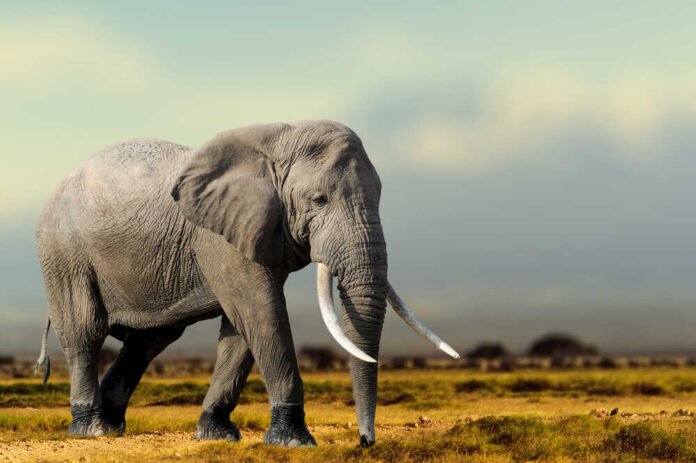
A repeat-offender wild elephant has now claimed its third human life in Thailand’s Khao Yai National Park, exposing dangerous failures in wildlife management that prioritize animals over people.
Story Snapshot
- A 65-year-old Thai tourist was trampled to death by a bull elephant, Oyewan, during a morning walk; his wife escaped after rangers intervened.
- This marks the third confirmed fatality by Oyewan, with possible links to additional unsolved deaths.
- Authorities meet Friday to decide Oyewan’s fate, weighing relocation or behavior modification amid the rising elephant population.
- Human-elephant conflicts have surged, causing over 220 human deaths since 2012 and devastating local farmers.
Tragic Tourist Death in Khao Yai
A 65-year-old tourist from Lopburi province died Monday morning in Khao Yai National Park, central Thailand. Wild bull elephant Oyewan trampled him during a walk with his wife on a park trail. Park rangers scared off the elephant, allowing the wife to escape unharmed.
Park chief Chaiya Huayhongthong confirmed this as Oyewan’s third known kill. The incident highlights risks in popular tourist areas near high-conflict zones, such as Prachinburi province.
Elephant kills tourist at national park in Thailand, third fatality linked to the same animal https://t.co/N3vOddeYpl
— CBS Mornings (@CBSMornings) February 2, 2026
Repeat Offender Elephant Raises Alarms
Oyewan roams the edges of Khao Yai and nearby villages, drawn by food sources. This tourist attack differs from typical farm raids, occurring directly on a park path.
Thailand’s wild elephant population has grown from 334 in 2015 to around 800, fueling conflicts in 44% of provinces. Bull elephants like Oyewan pose particular threats during musth periods or when foraging. Over 220 human deaths by wild elephants have occurred since 2012, including rare tourist cases.
Escalating Human-Elephant Conflicts
Human-elephant conflicts in Thailand intensified since 2000 due to habitat loss, forest fragmentation, and agricultural expansion. From 2014 to 2023, 341 incidents caused 360 human casualties, including 189 deaths.
Eastern Thailand near Khao Yai recorded 147 cases, peaking in 2018 and 2023 during the rainy seasons. Protected areas saw 107 incidents from 2012 to 2018, resulting in 45 human deaths. Farm attacks account for 55.56% of human casualties, while forests account for 27.78%.
Local farmers from 156,000 families suffer massive crop losses, affecting 400,000 individuals. Electric fences and retaliation cause 42% of elephant deaths. In parks like Kui Buri, elephants killed four people from 2007 to 2023. Chanthaburi alone saw 48 incidents. These patterns strain communities already facing economic hardship from wildlife intrusions.
Stakeholders Clash Over Solutions
The Department of National Parks, Wildlife, and Plant Conservation oversees responses, administering contraceptives to control elephant growth while balancing tourism revenue. Chaiya coordinates the Friday meeting on Oyewan, likely favoring relocation over lethal measures.
Farmers demand stronger protections amid ongoing losses, including past poisonings. Conservationists push coexistence via barriers and bees, but locals favor direct action as casualties rise despite efforts.
Power dynamics pit DNP authority against community pressures. Academics highlight multifactorial risks, such as elephant density and low forest cover, in areas like Prachinburi, which has only 28% forest cover. Prevention focuses on habitat management, yet trends show increasing confrontations.
Broader Impacts and Future Risks
Short-term effects include park safety alerts and potential declines in tourism at UNESCO-listed Khao Yai. In the long term, escalating conflicts pressure conservation policies, accelerating the use of vaccines and fences. Economic hits affect 156,000 farm families and wildlife tourism. Social fear grips communities after 360 human casualties.
Political demands grow on DNP amid population booms. Without better management, high-profile deaths like this threaten global park reputations and local livelihoods.
Sources:
https://humanelephantvoices.org/en/human-elephant-conflict/
https://pmc.ncbi.nlm.nih.gov/articles/PMC12071072/
https://www.nationthailand.com/blogs/sustaination/40044035
https://en.wikipedia.org/wiki/Elephants_in_Thailand
https://www.bootsnall.com/articles/elephants-attacking-in-khao-yai-national-park-thailand.html