
The Food and Drug Administration ordered every maker of GLP-1 drugs to add a warning about a rare eye condition that can steal vision fast.
Story Snapshot
- FDA now requires a classwide warning for a rare eye condition called NAION
- Risk signal came from trial data and outside studies, strongest for semaglutide
- Doctors must tell patients to report sudden one-eye vision changes right away
- Europe labeled NAION a very rare side effect for semaglutide earlier this year
FDA Acts On A Rare But Serious Vision Risk
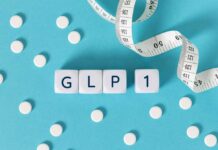
The Food and Drug Administration directed all makers of glucagon-like peptide-1 drugs to add a warning about a potential increased risk of non-arteritic anterior ischemic optic neuropathy, or NAION, to their labels. The order covers the entire class, not just a single brand. The Food and Drug Administration described NAION as rare but serious. It can cause sudden, painless vision loss in one eye. The agency framed the change as a safety step based on a credible signal, not proof of causation.
The Food and Drug Administration’s move followed a buildup of evidence that merited attention. Agency analysts pooled 126 randomized clinical trials across programs for GLP-1 drugs. Reviewers found 15 probable NAION cases: 10 among patients on GLP-1 drugs and five in comparator arms. That translated to 6.4 versus 3.8 cases per 100,000 person-years, which is a small absolute risk but a notable difference for a vision-threatening event. The agency paired its communication with a MedWatch alert to reach clinicians fast.
What Doctors And Patients Need To Do Now
Clinicians should warn patients at the start of treatment and during dose changes. The Food and Drug Administration instructs providers to tell patients to call right away if they notice sudden, painless dim vision, a shadow or curtain in one eye, or trouble with side vision. Providers should send those patients for urgent eye evaluation. Rapid assessment by an eye doctor gives the best chance to confirm the diagnosis and protect remaining vision. Patients should not stop medicine on their own; they should call their prescriber first.
The warning does not say everyone on these drugs will lose vision. It says the risk may be higher than in people not taking them. That sounds subtle, but it matters. The odds for any one person stay low. But the event, if it happens, is serious and may be permanent. Clear warnings, fast reporting, and quick eye exams fit common sense and align with a conservative view of risk: inform adults, respect choice, and move fast when seconds count.
Where The Signal Came From And Why Scope Is Classwide
Early concern focused on semaglutide, the active ingredient in Ozempic and Wegovy. A 2024 study in a major eye journal raised questions about a link with NAION, which helped prompt the federal review. European regulators also weighed in. The European Medicines Agency’s safety panel said NAION is a very rare side effect of semaglutide and recommended adding it to product information. That finding supports the federal step, even if methods and data sources differ.
1/4 REGULATORY: FDA is requiring every approved GLP-1 drug label to add a warning about a potential increased risk of NAION, a rare optic nerve condition that can cause sudden vision loss in one eye.
Drug Safety Communication, Nov 9, 2026: https://t.co/uS9DulHsDY
— PeptideScouter (@PeptideScouter) November 10, 2026
Some readers may ask why the warning applies to all GLP-1 drugs when the strongest published data center on semaglutide. The Food and Drug Administration often acts at the class level when the drugs share a mechanism and the harm, while rare, could be severe. A classwide label ensures patients get the same clear message no matter which brand they use. That consistency helps busy clinics and avoids confusion at the pharmacy counter.
How To Weigh The Risk Without Panic Or Spin
The numbers deserve calm reading. The pooled trials found very few events overall, and the absolute risk stayed small. But the difference between groups was not zero, and losing vision in one eye is life-changing. The right response is straight talk, not hype. Patients deserve to know the signs, and doctors should have a low bar to refer. At the same time, these drugs deliver major benefits for diabetes and weight-related disease. One sentence caveat: the agency describes a potential risk, not proven causation.
Practical steps help families and clinicians keep perspective. People with diabetes, high blood pressure, or sleep apnea already face higher eye risks. Those conditions need steady care no matter what medicine they use. New users should save their prescriber’s number, know the red-flag symptoms, and plan for an urgent eye visit if needed. Health systems should update consent forms and nurse triage scripts this week. That small lift can prevent delays when minutes matter.
What Comes Next And What To Watch
Researchers can now test key questions that matter at the bedside. Does the risk differ by drug, dose, or time on therapy? Do patients with certain optic nerve shapes face higher odds? Linked medical and eye records can help answer those questions. The Food and Drug Administration’s clear instructions will also enable better reporting, which should sharpen future estimates. For now, the rule is simple: keep the benefits, shrink the risk, and speak plainly so people act fast if vision changes.
Sources:
nbcnews.com, fda.gov, usatoday.com, fdaweb.com