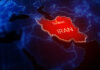


Germany just pressured President Trump to hit the brakes on a major Iran escalation—showing how fast this war is rewriting alliances, energy prices, and the “America First” promise to avoid new forever wars.
Quick Take
- German Chancellor Friedrich Merz said he urged Trump to reconsider planned attacks on Iran’s power plants, warning of escalation and economic fallout.
- Merz announced Trump delayed any power-plant strikes for five days and signaled openness to direct talks with Iran.
- The U.S.-Israel campaign against Iran has already driven oil and gas volatility, feeding voter anger over higher costs at home.
- Merz backs pressure on Tehran but rejects an open-ended war, saying there is no joint U.S.-German plan for a quick end.
Merz’s Call Focused on One Flashpoint: Iran’s Power Grid
German Chancellor Friedrich Merz said he raised concerns directly with President Donald Trump after Washington signaled potential attacks on Iranian power plants.
In Berlin, Merz described a phone call on March 22 and said he was grateful Trump delayed action for five days while exploring direct contacts with Iran. The specific target set—power infrastructure—matters because it can rapidly expand civilian harm and widen the conflict beyond military sites.
German President Calls Iran War Disastrous Mistake, in Rare Rebuke of Trump https://t.co/wjifwhAqg9
— Eric Martin (@EricMar25918091) March 24, 2026
Merz framed his message as pro-de-escalation rather than anti-American, offering German cooperation aimed at a regional ceasefire. His public comments also underscored a limitation: he said there is “no joint plan” with the United States to end the conflict quickly.
For conservatives at home watching prices climb, that missing end-state is the real warning sign—wars without a clear finish tend to become wars without limits.
What’s Known About the War’s Trajectory—and What Isn’t
Reporting tied the current crisis to Iran’s nuclear program and regional proxy conflicts, with fighting escalating into open U.S.-Israeli military action beginning in late February 2026.
One account described “Operation Epic Fury” and said Iranian Supreme Leader Ayatollah Ali Khamenei was killed in bombings. While the research points to intensive air operations, it does not establish a full-scale ground invasion or a settled U.S. plan for post-conflict governance.
German president calls Iran war a disastrous mistake, in rare rebuke of Trump – https://t.co/QpbB46rG7l
— Reuters Iran (@ReutersIran) March 24, 2026
Merz’s posture has been consistent across appearances: he supports confronting Tehran but wants a short war due to economic damage from energy spikes.
At his March 3 meeting with Trump at the White House, Merz reportedly backed the overall war aims but emphasized the need to end it early to prevent broader economic blowback. That combination—hawkish goals, strict limits—mirrors what many Trump voters expected in 2016 and again in 2024.
Why This Stings MAGA Voters: Promises, Prices, and “No More Regime Change”
Trump’s coalition includes voters who supported tough sanctions, border-first priorities, and restoring deterrence, but who are now divided over direct U.S. military involvement.
The research indicates Trump is weighing heavy strikes while also signaling direct diplomacy and, at least in one account, shifting away from explicit regime-change language after Khamenei’s death.
That ambiguity fuels grassroots distrust—because unclear missions historically expand, and expanded missions usually mean higher costs and more Washington secrecy.
Energy prices remain the unavoidable domestic pressure point. The research describes oil and gas spikes harming global economies and pushing European leaders to prioritize stabilization.
That reality hits American families too, especially retirees and working households already angry about years of inflation and spending. Merz’s warning is essentially external confirmation of what U.S. voters see at the pump: when conflict spreads, costs rise, and “temporary” interventions turn into permanent sacrifices.
Europe’s Leverage Is Economic—Not Military
Merz’s influence appears tied less to battlefield capability and more to political access and economic urgency. Research notes Germany increased NATO spending in line with Trump’s longstanding demands, helping Merz maintain a cordial working relationship that allows him to push back.
It also describes broader transatlantic strains—trade disputes, the Ukraine war, and European defense debates—making Merz’s role as a de-escalation messenger unusual but not impossible.
For American conservatives, the constitutional and accountability question is straightforward, even when details are classified: what is the defined objective, what is the legal and strategic basis, and what are the ends of the operation?
The research does not provide answers on authorization, duration, or a post-war plan—only that Trump paused one major escalation option and opened a short window for talks.
Until clearer terms emerge, skepticism inside the MAGA base will likely persist, especially as Israel’s role and U.S. obligations remain hotly debated.
Sources:
merz-seeks-early-end-to-iran-war-in-trump-meeting