
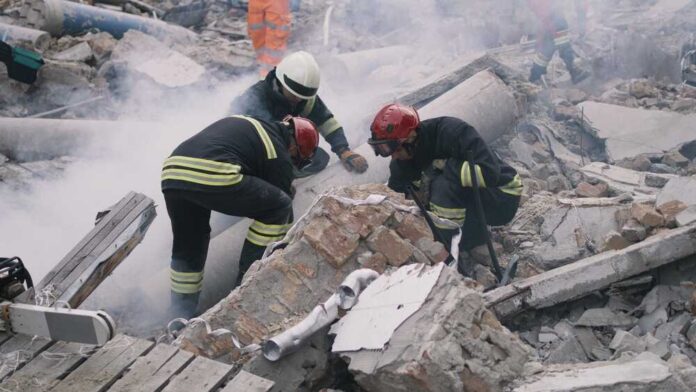
New York City just opened more than 170,000 pages that show what officials recorded about Ground Zero’s air after 9/11—and what they told the public did not always match the notes.
Story Snapshot
- Mayor Zohran Mamdani released over 170,000 pages of post-9/11 air quality records through a public portal.
- The documents include testing reports, contamination data, and internal communications.
- Reporters say some notes suggest early awareness of health risks and legal exposure.
- The release follows years of public-records pressure and promises to build an online portal.
What New York City Released And Why It Matters
Mayor Zohran Mamdani announced the city posted more than 170,000 pages tied to air quality in Lower Manhattan after the attacks. The records sit on a public portal and include test results, environmental assessments, and internal messages among city officials.
Outlets that examined samples report that some notes point to awareness of toxic hazards near the pile while leaders offered calmer public reassurances. The size of the release gives families, responders, and researchers primary material to review without gatekeepers.
City Hall framed the move as transparency before the 25th anniversary. The timing tracks with a familiar cycle in public-records fights. Agencies often hold back environmental files until lawmakers or courts apply pressure.
New York City Council leadership secured a commitment in March to stand up an online portal to host these records. The release delivers on that promise and shifts the burden to the public to read, compare, and ask sharper questions.
What The Papers Report The Files Contain
Television and local outlets describe a trove with raw testing data, draft memos, and legal assessments. Reporters who reviewed parts of the cache say some entries noted potential health risks and legal exposure early on, even as residents and workers were told the area was safe to return to.
Eyewitness News reported that the city characterized the batch as air reports, contamination findings, and official correspondence, all now posted online for anyone to search. These are concrete documents, not summaries.
Calls have already grown for deeper analysis funding. City Council voices pushed for a dedicated review budget to sort and analyze what the Department of Investigation is compiling from different agencies.
They argue that expert review matters because raw files can hide key trends without context. That stance makes sense. Data dumps can look like transparency while still leaving the hardest conclusions to underfunded volunteers. Serious review money would speed clear answers and public trust.
NYC Mayor Zohran Mamdani is ordering the release of over 170,000 pages of long-hidden World Trade Center air quality reports and official records on 9/11. https://t.co/TmGkGzZt9t
— FOX 32 News (@fox32news) September 8, 2026
How This Fits Two Decades Of Records Battles
New York’s Freedom of Information Law starts with a simple rule: disclose records unless a narrow exemption applies. In practice, agencies have leaned on exemptions for inter-agency discussions, privacy, and law enforcement to delay or redact releases.
Courts and the Committee on Open Government have narrowed and then, at times, widened those shields over the years. That back-and-forth helps explain why so much material surfaced only now, as leaders pledged a portal and the anniversary deadline neared.
NYC Mayor Zohran Mamdani is ordering the release of over 170,000 pages of long-hidden World Trade Center air quality reports and official records on 9/11. https://t.co/F3s9I6ltNn
— FOX 35 Orlando (@fox35orlando) September 8, 2026
Some outlets reported the city had fought related lawsuits even as it promised transparency, another hallmark of records disputes in sensitive health cases.
With this portal live, the next test is simple: does every relevant page make it online, and do officials fund a fast, rigorous review so affected families get straight answers?
Sources:
cnn.com, abc7ny.com, fox5dc.com, nydailynews.com, pix11.com