Medicare’s new price cuts for 15 top prescription drugs reveal how previous leftist policies keep failing to deliver real relief—while Trump’s deal achieves deeper savings for Americans.
Story Snapshot
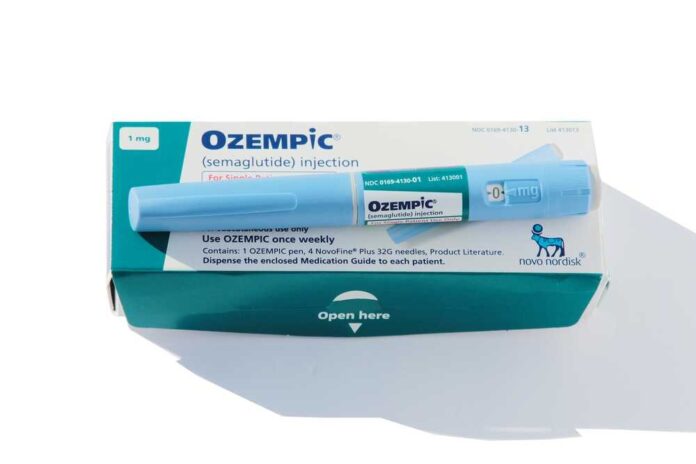
Medicare announced new negotiated prices for 15 costly prescription drugs, including Ozempic and Wegovy, set to begin in 2027.
The Biden-era negotiation program delivers smaller savings compared to President Trump’s separate deal with drugmakers.
Taxpayers and seniors are projected to save billions, but some experts say Trump’s approach would have delivered even steeper cuts.
Drug companies remain able to challenge Medicare’s process, raising questions about long-term reliability of such government interventions.
Medicare Drug Price Cuts Announced Under Biden-Era Law
The Centers for Medicare and Medicaid Services announced on November 25, 2025, that prices will drop for 15 high-cost prescription drugs beginning in 2027. The reductions stem from a negotiation program created under the Inflation Reduction Act, signed by former President Joe Biden in 2022. This law authorizes Medicare to negotiate directly with pharmaceutical companies, aiming to lower government spending and help seniors afford essential medications. The targeted drugs, including Ozempic and Wegovy, accounted for $42.5 billion—15% of Medicare Part D spending in 2024.
Medicare announces price cuts for 15 prescription drugs, including Ozempic
“The lower prices stem from the Medicare negotiation program created under the Biden administration's Inflation Reduction Act,” @BerkeleyJr reports.https://t.co/QzSsf7iPtS
President Trump, now back in office, has taken a different route by securing a voluntary agreement with Novo Nordisk, the maker of Ozempic and Wegovy, through executive action and tariff relief. Trump’s approach bypasses heavy-handed legislation and government mandates, focusing on direct negotiation and market-based solutions. The resulting price for Ozempic and Wegovy under Trump’s deal is $250, undercutting Medicare’s new negotiated price of $274. Conservative health policy experts and economists argue this demonstrates the effectiveness of free-market strategies over bureaucratic government controls.
Impacts on Taxpayers and Seniors
Medicare estimates these negotiated prices will save taxpayers $12 billion and reduce out-of-pocket costs for enrollees by $685 million in 2027. However, critics note that while any relief is welcome, the Biden-era program’s savings fall short of what Trump’s deal already secured for Americans. For instance, the $274 negotiated price for Ozempic and Wegovy is notably higher than the $250 Trump secured, raising questions about why government-run negotiations could not match or exceed the private-sector outcome. Health policy analysts warn that overreliance on government negotiation could risk limiting access or innovation in the long run.
Drugmaker Resistance and Legal Challenges
Drug companies can still refuse to participate in Medicare’s negotiation program, but doing so would force them to withdraw their drugs from one of the country’s largest insurance markets. So far, legal challenges to the negotiation program have failed, but the threat of future litigation remains. Critics of the government’s approach caution that such top-down mandates may create instability and uncertainty for seniors who depend on these vital medications. The Trump administration, meanwhile, has largely stayed silent on the Medicare program, focusing on direct deals and voluntary partnerships to maintain patient choice and constitutional limits on federal power.
Prescription Costs Remain a Major Concern
Polling reveals that about one in five adults has skipped filling a prescription due to cost, with one in seven reporting they have cut pills or skipped doses in the past year. While the new price cuts offer some relief, many Americans are frustrated that bureaucratic programs tend to underdeliver, especially when compared to the swifter, deeper savings achieved through Trump’s executive negotiations. As the 2027 effective date approaches, seniors and taxpayers alike will be watching closely to see which approach truly delivers on the promise of affordable, accessible medicine without expanding government overreach or compromising American innovation.