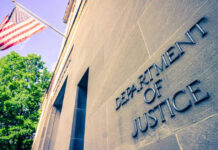

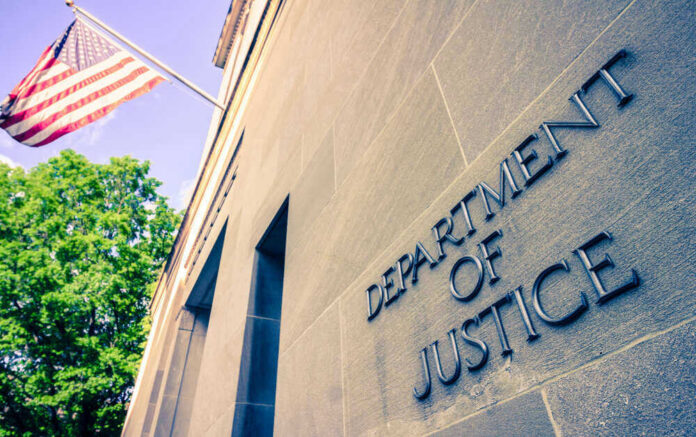
A federal grand jury delivered a stunning rebuke to the Justice Department by refusing to re-indict New York Attorney General Letitia James on mortgage fraud charges, highlighting the unprecedented weakness of a case many conservatives view as long-overdue accountability for her weaponization of the legal system against President Trump.
Story Highlights
- Grand jury refuses to re-indict Letitia James after the judge dismissed the original charges due to improper prosecutor appointment
- Federal grand juries declined indictments in only six out of 150,000 cases in 2016, making this refusal extraordinarily rare
- James previously sued Trump, resulting in a nine-figure judgment that an appeals court later called “excessive.”
- The Justice Department accused James of mortgage fraud by falsely claiming investment property as a second home
- The case raises questions about vindictive prosecution and government overreach in politically motivated investigations
Grand Jury Delivers Rare Rejection of Federal Prosecution
Federal grand jurors in Norfolk, Virginia, voted down the Justice Department’s attempt to re-indict Letitia James, following a judge’s dismissal of original charges.
The grand jury’s refusal represents an extraordinary occurrence in federal prosecutions, where approval rates typically exceed 99.9 percent.
According to Justice Department statistics, federal prosecutors investigated over 150,000 people in fiscal year 2016, with grand juries declining to indict in only six cases.
Grand jury declines to indict Letitia James after earlier case collapsed https://t.co/eJJHU7LnKS
— Washington Examiner (@dcexaminer) December 5, 2025
James Claims Victory Against “Weaponized” Justice System
James responded to the grand jury decision by declaring vindication against what she termed “unchecked weaponization of our justice system.”
Her attorney, Abbe Lowell, argued that the case “should never have existed in the first place” and warned that continued attempts to prosecute would constitute “a shocking assault on the rule of law.”
The rejection comes after U.S. District Judge Cameron Currie dismissed the original indictment, citing questions about prosecutor Lindsey Halligan’s authority to prosecute.
Mortgage Fraud Allegations Center on Investment Property Deception
The Justice Department initially charged James with bank fraud and with making false statements regarding a 2020 property purchase in Norfolk, Virginia.
Prosecutors alleged James falsely claimed the house would serve as her second home on mortgage documents while actually using it as a rental investment property.
This misrepresentation allegedly allowed her to secure more favorable interest rates reserved for personal residences rather than investment properties, potentially defrauding the lending institution.
Political Motivations Cast Shadow Over Prosecution Timing
The case against James emerged amid significant upheaval in the U.S. Attorney’s Office for the Eastern District of Virginia, raising questions about political motivations.
Erik Siebert resigned as the office’s top prosecutor in late September after reportedly refusing to charge James, only to be replaced by Lindsey Halligan, a former Trump White House staffer and personal attorney.
James was indicted weeks after Halligan’s appointment, following President Trump’s Truth Social post urging Attorney General Pam Bondi to investigate her activities.
James’s Anti-Trump Legal Campaign Faces Scrutiny
James’s prosecution troubles stem from her aggressive legal campaign against Trump between his presidential terms, including a civil fraud case that resulted in a nine-figure judgment.
An appeals court later threw out the financial penalties as “excessive,” though some non-financial restrictions on the Trump Organization remained.
Conservative observers note the irony of James facing fraud charges herself after pursuing Trump for allegedly inflating real estate values, highlighting potential double standards in prosecutorial priorities and selective enforcement.