
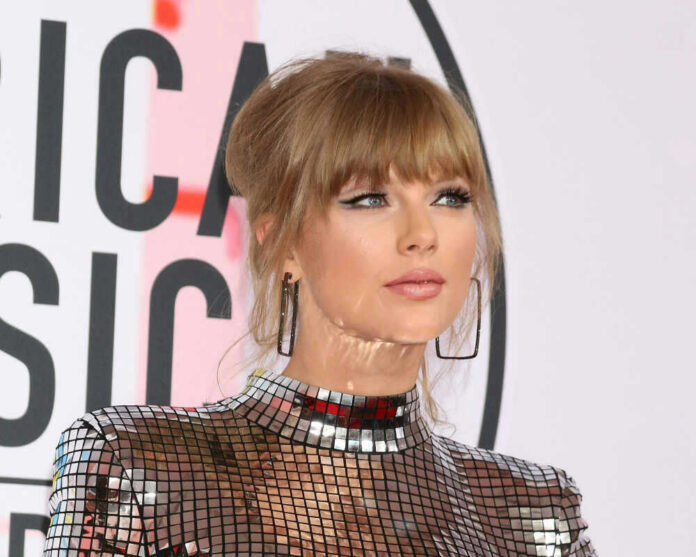
Islamic State sympathizers nearly unleashed a deadly attack on 200,000 Taylor Swift fans in Vienna, stopped only by sharp U.S. intelligence under the watchful eye, now strengthened by President Trump’s border security triumphs.
Story Highlights
- Austrian authorities arrested two IS-inspired suspects plotting vehicle ramming, stabbings, and a suicide bombing at Vienna concerts in August 2024.
- U.S. intelligence detected the main suspect’s public Telegram pledge to IS, tipping off Austrian police for preemptive arrests.
- A venue insider provided potential access, echoing insider threats that demand the strict vetting Trump now enforces nationwide.
- Concerts canceled, sparing lives but highlighting Europe’s vulnerability from unchecked migration and online radicalization.
- Suspects remain detained with charges; a Syrian accomplice charged in Germany, underscoring persistent jihadist networks.
Plot Details Emerge
Beran A., a 19-year-old Austrian-North Macedonian dual citizen, pledged allegiance to IS on Telegram July 7, 2024. He planned to ram vehicles into crowds outside Vienna’s Ernst-Happel-Stadion, stab with machetes, and detonate a homemade IED in a suicide attack. Discussions with IS supporters abroad covered drones, sarin gas, and police disguises.
Luca K., 17, held a job with a facility management firm at the venue, offering insider access to target up to 30,000 fans. This multi-tactic scheme aimed for mass casualties at Taylor Swift’s sold-out Eras Tour shows.
Taylor Swift Vienna concert bomb plot ringleader hit with terror charges https://t.co/FnGkQ5i0Em
— New York Daily News (@NYDailyNews) February 16, 2026
U.S. Intel Saves the Day
American intelligence flagged Beran A.’s online oath, alerting Austrian police and Europol. Arrests followed on August 6 for Beran A. in Ternitz and August 7 for Luca K. Police found bomb-making materials and weapons. Chancellor Karl Nehammer confirmed the extensive plot, leading Barracuda Music to cancel all three concerts on August 8-10.
This cooperation exemplifies the intelligence edge President Trump has prioritized, contrasting Biden-era laxness that let threats fester through open borders and weak vetting.
Radicalization and Precedents
Suspects self-radicalized online amid IS’s post-caliphate push for “lone actor” attacks on Western gatherings. Beran A. joined IS-K groups, downloaded IED manuals, and coordinated with German sympathizers for synchronized strikes.
The plot mirrors Manchester Arena’s 2017 bombing at an Ariana Grande concert, New Orleans’ 2024 ramming, and Cologne’s 2023 vehicle scheme. Europe’s rising IS incidents post-2023 Israel-Hamas war expose migration policy failures, validating Trump’s refugee caps and entry bans from high-risk nations to shield Americans.
Swift’s global youth fanbase made the event a prime symbolic target for jihadist media impact, unlike routine holiday plots. Venue soft perimeters amplified insider risks from unvetted workers.
Ongoing Justice and Lessons
By November 2024, pre-trial detention extended for terrorism association, criminal organization, and weapons charges. A Syrian juvenile faced German charges in 2025 for aiding the plot. Prosecutors pursue accomplices; no trial date set.
Experts like CTC West Point praise intel sharing’s role, while Harvard’s Juliette Kayyem stresses shutdowns for insider threats. Under Trump, enhanced screening blocks such radicals, protecting families from the terror unchecked immigration breeds.
Short-term, 200,000 fans received refunds amid economic hits to Vienna. Long-term, promoters tighten sub-vendor checks, bolstering security akin to Trump’s aviation parallels.
Sources:
The August 2024 Taylor Swift Vienna Concert Plot
Taylor Swift concert attack plot leads to terrorism charges against 21-year-old man