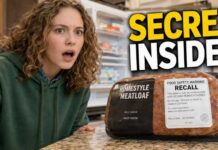

A simple label swap at Costco turned a harmless sweet into a serious hazard for Americans with life-threatening nut allergies.
Quick Take
- Costco recalled certain “Mini Beignets filled with Caramel” after some packages were mistakenly filled with chocolate-hazelnut beignets that contain tree nuts.
- The problem is an undeclared allergen: hazelnuts/filberts were not listed on the caramel label, posing a risk to consumers with allergies.
- Affected products were sold from January 16–30, 2026, in 22 states, and Costco is urging customers to return them for a full refund.
- No illnesses were reported in the available data, but the recall underscores how quickly packaging errors can become safety risks.
What Costco Recalled—and Why the Label Matters
Costco issued a recall for “Mini Beignets filled with Caramel” after discovering that some units were inadvertently packaged with “Mini Beignets filled with Chocolate Hazelnut.”
That mix-up matters because hazelnuts (also listed as filberts) are a tree nut allergen, and the caramel packaging did not list them as a source of tree nuts. Costco’s public warning was direct: anyone allergic to hazelnuts/filberts should not consume the product and should return it for a full refund.
Costco issued a recall notice for mislabeled bakery items that could cause allergic reactions in customers. https://t.co/J7mGfa1vAO pic.twitter.com/Otf6KrDd6f
— FOX 2 Detroit (@FOX2News) February 1, 2026
The reported window for affected sales ran from January 16 through January 30, 2026. The states listed in reporting include Alabama, Arizona, California, Colorado, Florida, Georgia, Hawaii, Idaho, Illinois, Iowa, Louisiana, Michigan, Missouri, Nevada, New Jersey, New York, Ohio, Oregon, Pennsylvania, Tennessee, Virginia, and Washington.
The recall drew attention because it wasn’t about a recipe change or a controversial ingredient—it was about packaging and labeling accuracy, the basic trust point families rely on.
Where the Risk Gets Real for Families
Undeclared allergens are among the most common causes of food recalls because the consequences can be immediate and severe. The core issue in this case is that consumers can’t make an informed choice if the label is wrong, especially parents shopping for households managing food allergies. Reporting tied the broader context to rising allergy awareness, citing that roughly 32 million Americans are affected. For those families, “close enough” labeling isn’t good enough; it can be dangerous.
Costco’s notice emphasized the practical solution: don’t eat it if you have an allergy, bring it back for a full refund. That is the right immediate step for consumer safety, and it’s also the standard play for limiting liability.
Still, the incident shows how even a limited-batch error can ripple across a massive footprint when a national retailer sells high-volume bakery items. As of early February, outlets reported no illnesses.
Recall Timing, Scope, and What’s Confirmed So Far
Multiple reports placed the recall announcement around February 1, 2026, after the product had already been sold for roughly two weeks in late January. The available coverage aligns with the key details: the product name, the caramel-versus-hazelnut mix-up, the list of states, and the refund instruction.
What’s less clear from the reporting is precisely when the internal discovery occurred and how many units were affected, since no detailed production totals or lot breakdowns were included in the research provided.
That limitation matters because consumers often want to know whether a recall is narrow—one store, one day—or whether it signals a larger breakdown.
Based solely on the reporting provided, this appears to be a specific packaging error rather than a broader contamination event, and the geographic footprint was limited to the 22 listed states.
With no illnesses reported, the public-facing impact is mostly about prevention and transparency rather than responding to confirmed harm.
Why Costco’s Labeling Scrutiny Is Growing
The recall came amid separate scrutiny of Costco’s food labeling practices, including a recent class-action lawsuit involving Kirkland Signature Rotisserie Chicken and “no preservatives” marketing claims.
That lawsuit, filed in federal court in California, alleges that customers were misled because certain ingredients were present despite the labeling reading “no preservatives.”
An attorney quoted in that reporting argued consumers reasonably rely on clear, prominent claims when choosing what their families will eat—an expectation that also applies to allergen warnings.
Costco issues recall notice for bakery item due to undeclared allergen https://t.co/lZpEUwj9iI
— FOX Business (@FoxBusiness) February 1, 2026
Consumers don’t need political spin to understand the bottom line: accurate labels are a basic matter of accountability. Whether the problem is an inadvertent packaging swap or a contested marketing claim, the public expects major retailers to get the facts right on the box.
For conservative shoppers who are tired of institutions dodging responsibility, the standard is straightforward—tell the truth, follow the law, fix mistakes fast, and respect that families—not corporations or bureaucracies—bear the real-world consequences when information is wrong.
Sources:
Costco issues recall notice for bakery item due to undeclared allergen