

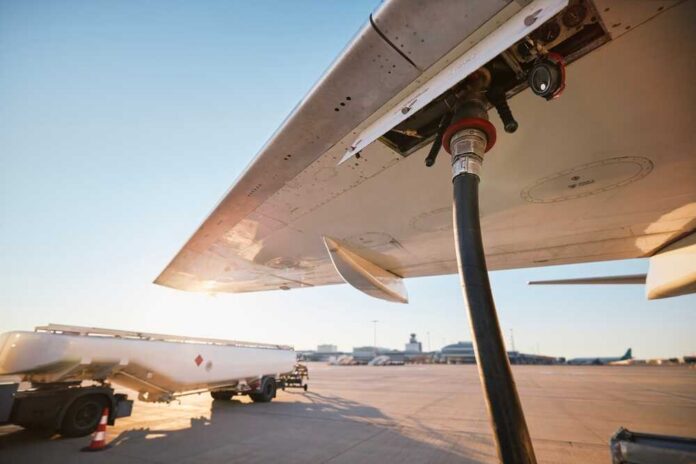
Cuba’s government just warned international airlines they may not be able to refuel anywhere on the island for a full month—forcing carriers to cancel flights or gamble on expensive workarounds.
Story Snapshot
- Cuban authorities issued a NOTAM saying Jet A‑1 will be unavailable nationwide from February 10 through March 11, 2026, including Havana and eight other international airports.
- Airlines are being told to “tanker” fuel for round trips or cancel service, a costly operational change that hits short-haul routes the hardest.
- Air Canada suspended flights and began planning repatriation operations after the fuel warning, leaving thousands of travelers impacted.
- The shortage sits inside a wider Cuban energy crisis marked by rationing, rolling blackouts, and transport disruptions, with no firm restoration timeline.
NOTAM Signals a Nationwide Aviation Fuel Breakdown
Cuban aviation authorities published a notice to air missions (NOTAM) stating that Jet A‑1 fuel would be unavailable at airports across the country beginning February 10, 2026, with the warning extending through March 11.
The notice covers Havana and multiple other international airports, meaning foreign carriers cannot count on refueling anywhere once they land. Cuban officials later confirmed supplies were exhausted, and no clear restart date was provided.
Airlines facing the shortage have two choices: carry enough fuel for the round trip or cancel flights outright. Tankering sounds simple, but it adds weight, can require operational adjustments, and often makes the most economic sense only for longer routes.
For shorter routes, carrying extra fuel can erase profitability or exceed limits, turning what used to be routine tourism flights into logistical puzzles with real safety and scheduling constraints.
Air Canada Cancellations Show Immediate Real-World Fallout
Air Canada became the early, high-profile example of how quickly the fuel issue can disrupt travel. Reports indicate the airline canceled flights and prepared repatriation operations, with thousands of passengers affected.
Some carriers can attempt “technical stops” in other countries to refuel, but that adds time, cost, and complexity—and it depends on available slots and coordination. The cancellations also signal how fast other airlines may follow if the situation drags on.
Cuba warns airlines they won’t be able to refuel planes as energy crisis worsens under US blockade https://t.co/ieXVXchhOB pic.twitter.com/kHCge8fQ71
— New York Post (@nypost) February 9, 2026
The disruption matters because air links are a lifeline for Cuba’s tourism economy and for families traveling between Canada, Europe, and the island. When fuel is unavailable at every airport, even airlines willing to absorb extra cost must rewrite schedules, plan alternates, and ensure compliance with operational fuel requirements.
Industry coverage notes that similar shortages in 2025 forced airlines to refuel outside Cuba, but the current projected duration raises the stakes.
Energy Crisis Meets Geopolitics, With Limited Clarity for Travelers
Coverage of the shortage links the aviation fuel breakdown to Cuba’s broader energy crunch and its reliance on imported oil. Cuba reportedly produces only a portion of the energy it consumes and has leaned heavily on external suppliers.
The reporting also describes U.S. policy pressure under President Trump—particularly sanctions and enforcement actions affecting flows from Venezuela—as a major factor that Cuban officials cite when blaming outside “economic coercion.”
Several uncertainties remain. No public, verified timeline explains when stable Jet A‑1 availability will return, and proposed support from partners is described in general terms rather than confirmed deliveries.
While Cuban leaders publicly project resilience, outside observers warn that a month-long aviation fuel gap can trigger deeper route cuts, higher ticket prices, and fewer options for lawful travel. For Americans watching from home, the story is a reminder that socialist systems can look “stable” until basic logistics fail.
What This Means for U.S. Interests and Conservative Priorities
The most concrete takeaway is operational: airlines will prioritize safety, legal fuel reserves, and cost control, so routes will shrink if the shortage continues. Politically, the reporting underscores how sanctions and energy dependence interact, and how a regime can use crisis messaging to rally domestic support.
For conservatives focused on limited government and real-world accountability, Cuba’s fuel warning highlights an old lesson—central planning doesn’t eliminate shortages; it often concentrates them.
Cuba warns airlines it will run out of jet fuel https://t.co/DrLnTQjriq
— CTV News (@CTVNews) February 9, 2026
Travelers with upcoming itineraries to Cuba should expect rolling changes: cancellations, refueling stops, and sudden schedule revisions as airlines decide whether tankering is feasible.
Because the NOTAM applies nationwide, switching airports inside Cuba may not solve the refueling problem. Until verified deliveries restore stockpiles, airlines will likely keep treating the island as a destination where departure fuel must be guaranteed before wheels ever touch the runway.
Sources:
Cuba halts jet fuel sales to foreign airlines
Cuba’s capital airport declares jet fuel unavailable as energy crisis deepens
First airlines begin cancelling flights to Cuba following jet fuel shortage announcement