
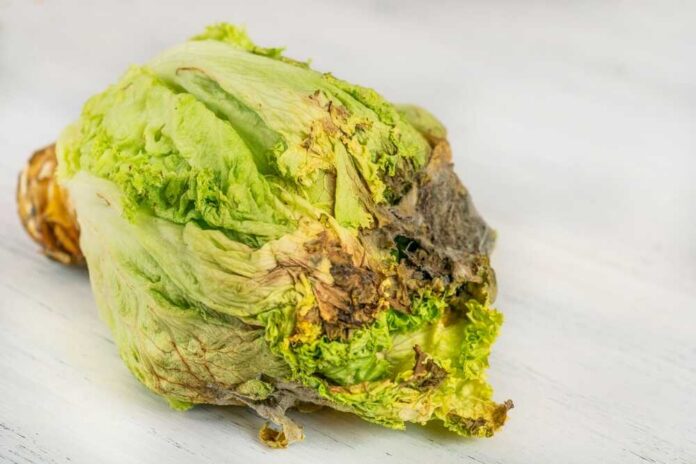
Iceberg lettuce tied to Taco Bell meals has now been linked to a deadly parasite outbreak stretching across 15 states, turning a cheap fast-food topping into a national health alarm bell.
Story Snapshot
- Centers for Disease Control and Prevention (CDC) now links a cyclospora outbreak to iceberg lettuce in 15 states.
- Investigators say shredded iceberg lettuce at Taco Bell, sourced from Taylor Farms in central Mexico, sparked the core cluster.
- Taylor Farms recalled iceberg lettuce grown in central Mexico and shipped to 27 states, pulling product from restaurants and stores.
- Thousands of Americans face weeks-long stomach illness as agencies race to trace every leaf back to the farm.
How a Taco Bell Topping Turned Into a 15-State Health Crisis
Federal health officials say a simple shredded iceberg lettuce blend, the kind many people barely notice under cheese and salsa, now sits at the center of the largest known cyclospora outbreak they have ever tracked.
CDC maps show at least 1,644 lab-confirmed infections in a defined iceberg lettuce outbreak tied to Taco Bell meals, with illness clusters first seen in Indiana, Kentucky, Michigan, Ohio, and West Virginia. What looked like a regional fast-food problem has widened into a coast-to-coast warning about how fragile our fresh food system really is.
Investigators quickly locked onto a pattern: people across several Midwestern and Appalachian states reported eating Taco Bell meals that included shredded iceberg lettuce before they fell sick for weeks with severe diarrhea and fatigue.
Traceback work by the Food and Drug Administration (FDA) followed shipping records from those restaurants back to one key supplier, Taylor Farms de Mexico, which had shipped iceberg lettuce grown in central Mexico into the United States supply chain. That link drove emergency action on both sides of the border.
What Cyclospora Does To The Human Body
Cyclospora is a microscopic parasite that attacks the small intestine after people eat contaminated food or drink contaminated water. Unlike the short, rough night many people expect from food poisoning, Cyclospora can cause diarrhea, stomach cramps, nausea, and weight loss that linger for weeks without the right treatment.
Public health officials say more than 4,000 lab-confirmed cyclosporiasis cases have been logged nationwide this season, with thousands more suspected, including many connected to the iceberg lettuce outbreak. The scope explains the urgent tone in CDC alerts.
CDC warns that people with weakened immune systems, older adults, and those with other health issues may face even higher risks from long-lasting dehydration and nutrient loss.
Doctors can treat cyclospora with specific anti-parasite medicine, but that only happens if the illness is recognized and tested properly, which often requires a stool test that many clinics do not run by default.
That is why officials repeat one simple message: if you ate the recalled lettuce and have stubborn stomach problems, call your doctor and mention cyclospora.
From Five States To Fifteen: How The Outbreak Spread
CDC initially framed the event as a multistate outbreak linked to Taco Bell locations in five states that had served the suspect shredded iceberg lettuce. As case interviews piled up, investigators realized that exposure went beyond those first states and restaurants.
Reuters and other outlets report that CDC has now expanded its tracking to 15 states where illnesses are tied to iceberg lettuce sourced from central Mexico, on top of dozens of states reporting cyclosporiasis cases that may or may not link back to that single contaminated supply stream.
Arkansas, Iowa, Missouri, Nebraska, New Hampshire, and North Carolina were added to an earlier list that already included Illinois, Indiana, Kansas, Kentucky, Michigan, Ohio, Oklahoma, Pennsylvania, and West Virginia. That shift matters.
It shows that once contaminated lettuce leaves a single farm, it can move through different distributors and restaurant chains, touching people across half the country in days.
The Taylor Farms Recall And What It Signals About Accountability
After FDA traceback pointed to Taylor Farms de Mexico as the common source of lettuce in the Taco Bell-linked cases, the company voluntarily pulled all iceberg lettuce grown in central Mexico from the United States market. That recall covers lettuce shipped to 27 states and includes product sold in restaurants, at grocery stores, and to food service customers.
Taylor Farms says the farm at issue represents less than one percent of the United States iceberg lettuce supply, but that tiny slice has had outsized impact on public health and trust.
Cyclospora Outbreak Tied to Lettuce Grows to Over 6,300 Cases
National News – A nationwide outbreak of Cyclospora infections linked to recalled iceberg lettuce has grown to 6,358 confirmed illnesses across 15 states. The lettuce was sourced from central Mexico and recalled by… pic.twitter.com/L703X6Pqx4
— Eastern Shore Undercover ® (@ShoreUndercover) August 6, 2026
There is a tension here that many Americans will recognize. On one hand, Taylor Farms followed FDA guidance and moved quickly to yank suspect product.
On the other hand, federal agencies still report no confirmed positive Cyclospora test from those lettuce samples, even as they insist the epidemiology points straight at that supplier.
That gap between lab proof and real-world patterns is exactly why many people question whether regulators and big producers are too cozy, and whether everyday consumers bear most of the risk when something goes wrong.
Why Fresh Produce Outbreaks Are So Hard To Nail Down
CDC and FDA experts admit that produce outbreaks are often very hard to prove with lab tests alone. Lettuce spoils quickly, and by the time people get sick and investigators start looking, the exact batch they ate is usually gone.
Instead, teams rely on detailed interviews, receipts, restaurant supply records, and shipping logs to spot the common item that keeps showing up in patient histories. In this case, that common thread was shredded iceberg lettuce at Taco Bell supplied by Taylor Farms in central Mexico.
When hundreds of unrelated people across several states, who did not travel or share other obvious risks, all report eating the same lettuce mix before falling ill with the same parasite, the odds of that pattern being random are tiny.
Here, the cause appears to be a contaminated food product, and the effect is thousands of sick Americans. That should focus attention on better farm-level sanitation, tighter import checks, and faster public warnings.
What Readers Should Do Now
CDC tells people in the affected states not to eat shredded iceberg lettuce from Taco Bell locations that were part of the outbreak window, and to discard recalled iceberg lettuce from Taylor Farms if any might still be in home fridges or restaurant coolers.
Anyone facing more than a few days of intense diarrhea, fatigue, or stomach pain, especially after eating lettuce in June or July, should contact a doctor and ask specifically about cyclospora testing and treatment.
Most important, this story should change how we think about “cheap” food. That fifty-cent lettuce topping is not free if the real price is weeks of illness and lost work.
Americans are right to expect stronger oversight of imported produce, clearer recall notices, and honest communication from both government and corporations when things go wrong. When a single supplier’s iceberg lettuce can help drive a 15-state parasite outbreak, the system needs more sunlight and more backbone, not less.
Sources:
cbsnews.com, abcnews.com, reuters.com, washingtonpost.com, cdc.gov, cnn.com, fda.gov, npr.org, facebook.com, youtube.com, reddit.com, cnbc.com, newsweek.com, nbcnews.com