
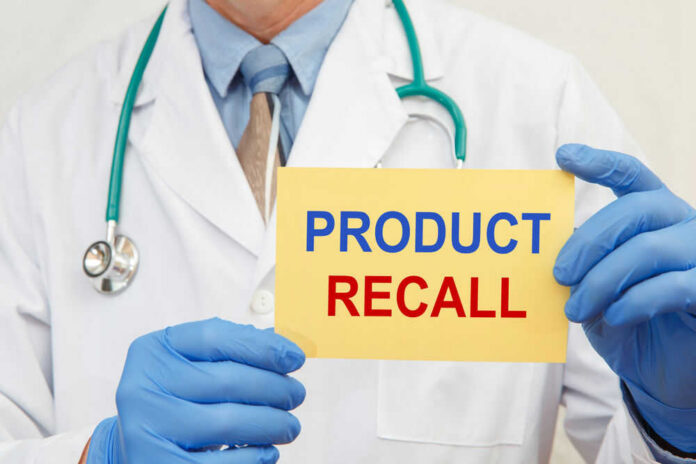
A routine veterinary injectable recall turned into a clean warning shot: glass fibers in a dog and horse medication pushed the company to pull specific lots nationwide.
Quick Take
- American Regent, Inc. Animal Health issued a nationwide recall of two lots of Adequan Canine and two lots of Adequan i.m.
- The company said it acted after finding visible glass fiber material in the product.
- The recall covered injections for dogs and horses, not the full product line.
- Officials said no adverse events had been reported at the time of the recall.
What Was Recalled
American Regent, Inc. Animal Health recalled two lots of Adequan Canine Injection and two lots of Adequan i.m. Injection on July 31, 2026. Adequan Canine is used for dogs, while Adequan i.m. is used for horses. The company said the action was nationwide and limited to lot numbers 25011, 3369, 24416, and 25265P.
‘Glass Fibers’ Found Inside Dog and Horse Medications Prompt Urgent Nationwide Recall https://t.co/DwIWQV0OxB
— People Pets (@PEOPLEPets) August 7, 2026
The lot-by-lot approach matters. It shows a manufacturer trying to keep a bad batch from becoming a broad crisis. That is the right first move when the concern is foreign material in an injectable product.
The public record also says the affected lots went through normal distribution channels, including online pharmacies, distributors, wholesalers, and veterinary practices.
Why the Recall Happened
The stated problem was visible glass fiber material found in retained product samples. That detail makes the case serious without making it mysterious. Injectables must stay clean because anything floating in the liquid can travel straight into tissue. In that setting, even a small contaminant can turn a routine shot into a painful problem.
The Food and Drug Administration said particulate matter such as glass fibers may cause local irritation, swelling, inflammation, pain at the injection site, infection, or abscesses.
That is why recalls like this often come before any injuries are reported. The danger is not theoretical, even if no one has yet documented harm from the recalled lots.
What Pet Owners and Veterinarians Should Notice
The company said it had not received reports of adverse events tied to the recalled lots as of July 31, 2026. That should calm panic, not invite complacency.
A clean report card today does not cancel a contamination finding. It only means the recall likely caught the problem before it had a chance to spread into clinical use.
Veterinarians and pet owners should check inventory, lot numbers, and storage records right away. That is the practical lesson here. A recall works only if the affected vials are isolated fast. If a clinic has any of the listed lots, the safest step is to stop using them and follow the recall instructions.
Why This Kind of Recall Hits a Nerve
Foreign-material recalls bother people because they feel avoidable. A tablet can crack. A label can misprint. A glass fiber in an injection vial feels different.
It suggests a failure somewhere in the chain, even if the public record does not yet show where it happened. That uncertainty is part of why these recalls get attention far beyond veterinary circles.
The broader pattern is familiar. Injectable drug recalls often start with quality control, not with a flood of injuries. When a company finds contamination in a sterile product, the right response is to pull the lot first and sort out the blame later. In medicine, caution is not weakness. It is discipline.
Sources:
foxbusiness.com, people.com, usatoday.com, facebook.com