
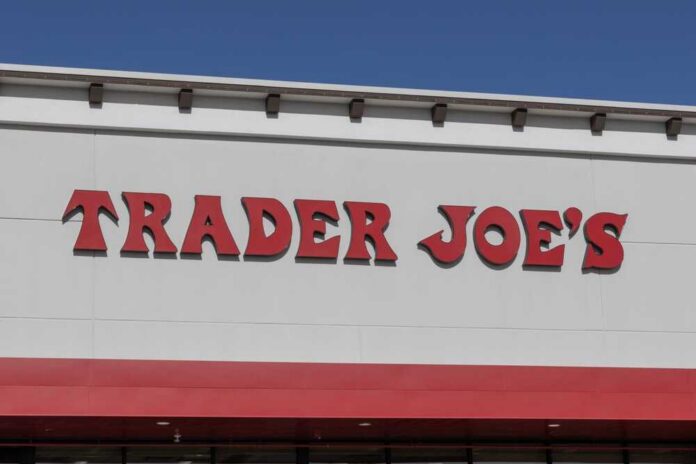
South Korean police just confirmed that trace amounts of morphine and codeine showed up in Trader Joe’s beloved Everything but the Bagel seasoning, and now they’re wiping it off secondhand marketplaces entirely.
Story Snapshot
- Seoul’s Mapo Police Station says South Korea’s National Forensic Service confirmed morphine and codeine in the poppy seeds used in the seasoning blend.
- Police worked with the secondhand app Karrot to remove listings and slap a “Transaction Restricted” warning on the product.
- Sellers accused of importing the seasoning as travel souvenirs and reselling it now face possible charges under South Korea’s Narcotics Control Act.
- South Korea has restricted the product since 2022, so this crackdown extends a years-long pattern rather than starting a new one.
What South Korean Police Say They Found
The Seoul Mapo Police Station announced Tuesday that forensic testing confirmed narcotic substances in poppy seeds used in Trader Joe’s “Everything but the Bagel Sesame” seasoning.
Officers say the National Forensic Service ran the tests and identified morphine and codeine, both classified as controlled substances under South Korean law. That finding gave police the legal basis they needed to act fast against sellers moving the product online.
South Korean police crack down on popular Trader Joe's seasoning after controlled substances detected https://t.co/1mbMRpFuYb
— FOX Business (@FoxBusiness) August 8, 2026
Police did not wait around once the lab results came back. Working directly with Karrot, a hugely popular Korean secondhand marketplace, officers identified active listings for the seasoning and had them pulled down.
Karrot also added a “Transaction Restricted” alert to prevent the item from reappearing under a different post, effectively shutting down that resale channel overnight.
How the Seasoning Got There in the First Place
Investigators determined the sellers didn’t manufacture or smuggle the product in bulk. They brought it back from overseas trips as a souvenir, then turned around and listed it for other Korean shoppers craving the flavor.
That detail matters because it shows an ordinary travel habit, tucking a jar of seasoning into a suitcase, colliding head-on with a strict domestic drug law once resale entered the picture.
The individuals involved have been booked on suspicion of violating the Narcotics Control Act. A police official told Cleveland.com that South Korean law doesn’t care whether a product is perfectly legal somewhere else.
“Even if a product is legally sold overseas, it may be classified as a narcotic substance or a prohibited import in Korea, so particular caution is required,” the official said. That’s a blunt warning to anyone assuming grocery items automatically clear customs just because they’re harmless at home.
Not a New Problem, Just a New Enforcement Push
This isn’t South Korea’s first run at the seasoning. The New York Times reported the product has been banned in the country since 2022, and Cleveland.com confirms the restriction dates back to that same year.
The U.S. Embassy in Seoul has publicly warned travelers for some time that poppy-seed food products, including popular bagel seasoning blends, are considered illegal there and can trigger a criminal investigation, fines, entry bans, or even jail time.
What’s different this time is the scale and speed of the response. Instead of catching individual travelers at the airport, police went after the resale marketplace itself, cutting off a distribution channel that let the seasoning spread well beyond anyone’s suitcase.
That’s a meaningful shift from border enforcement to domestic policing of an already-known contraband item.
Why the Gap Between Countries Feels So Jarring
For American shoppers, this whole story reads like a punchline. Everything but the Bagel seasoning sits on Trader Joe’s shelves nationwide with zero controversy, and nobody here treats poppy seeds as a narcotics issue.
But South Korea’s drug laws are notoriously strict, and poppy seeds can carry trace opiate alkaloids left over from processing, a fact food-safety experts have long acknowledged even when the amounts are tiny.
That gap between “harmless pantry staple” and “prohibited narcotic” isn’t a loophole or a mistake. It’s a straightforward difference in national law, and South Korea has every right to enforce its own rules within its own borders.
Americans who bristle at that should remember plenty of U.S. import and drug rules would look just as baffling to foreign travelers. The bigger lesson here is simple: pack smart, and don’t assume your favorite snack clears customs just because it’s fine at home.
Sources:
foxbusiness.com, cleveland.com, reddit.com, nytimes.com