

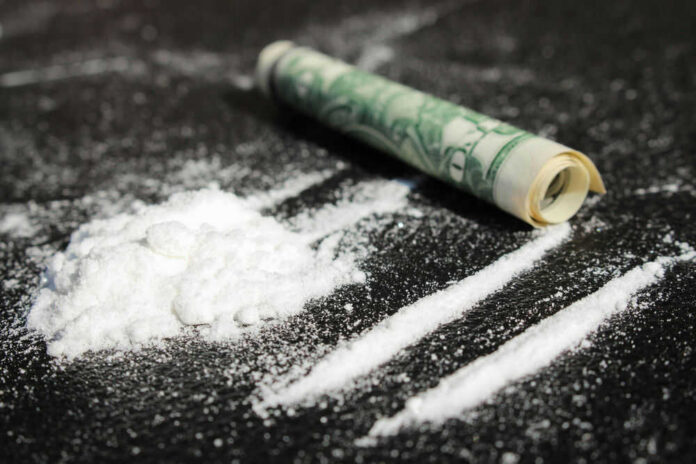
New York officers pulled 580 pounds of cocaine from a Queens storage center and ended an operation that officials say pushed drugs across state lines.
Story Snapshot
- Police seized about 266 kilograms of cocaine from a Long Island City storage site.
- Officials valued the haul at about $10 million and linked it to an interstate pipeline.
- A New Jersey man, identified by officials as Nelson Salcedo, was taken into custody.
- Leaders called it the largest New York Police Department cocaine seizure in at least a decade.
What Police Found And Where It Broke Open
The Special Narcotics Prosecutor for New York City said officers moved on a self-storage facility in Long Island City on August 26, 2026, after a months-long probe. They recovered approximately 266 kilograms of cocaine, which is more than 580 pounds, and arrested a suspect tied to the stash outside the facility.
New York Police Department leaders said the drugs came through a multistate route and were staged for quick delivery across the region. Investigators also coordinated with counterparts in New Jersey during the takedown.
Authorities placed the street value near $10 million and said the supply chain used middlemen who moved bulk shipments, then broke them down for retail sale. Prosecutors added that traffickers often cut cocaine with other drugs before it reaches buyers, which can raise profits and risk.
The agency said the seizure removed thousands of potential retail sales from city streets in a single night. The public announcement stressed speed, coordination, and the scale of the hit on the network.
Who Was Charged And What Comes Next
The New York Daily News reported that federal agents and city officers caught a New Jersey resident, identified as 35-year-old Nelson Salcedo, loading a van with cocaine boxes outside the storage site. He was charged with criminal possession of a controlled substance as the investigation continued.
New York Attorney General Letitia James and New York Police Department Commissioner Jessica Tisch also announced related arrests and indictments tied to cocaine trafficking in Queens, underscoring a broader crackdown on the pipeline. Officials said more arrests could follow as evidence is processed.
Prosecutors highlighted the storage facility’s role, noting that traffickers favor these sites because they blend in with normal city life, offer 24-hour access, and allow modular movement of bulk loads.
Detectives watch for late-night van traffic, burner phones, and rapid turnover of rental units. Investigators in this probe tracked patterns over months before choosing a night to intercept the cargo as it moved out, not in, to lock in possession charges and identify downstream links.
How Big Numbers Get Built And What They Mean
Police and media often quote “street value” using the highest retail price per gram multiplied by total weight. That model can also assume added weight from cutting agents, which can push the dollar total upward.
Reporters have noted that these values are estimates, not audited numbers, and can vary by city, purity, and time. The core facts here remain solid: 266 kilograms seized, an arrest made, and officials calling it the largest cocaine takedown by New York Police Department in at least a decade.
NYPD MAKES NEW YORK CITY’S LARGEST COCAINE SEIZURE IN 20 YEARS
Nearly 590 pounds of cocaine was seized by the N-Y-P-D at a storage facility in Queens, New York.
Police say the drugs had a street value of about $10 million.
This week's seizure is the largest made by the N-Y-P-D…— Worldwide News Network (@WorldwideNNX) August 29, 2026
Readers should focus on the verified pieces that matter for safety and justice. The quantity is confirmed by the Special Narcotics Prosecutor’s office. The location, timing, and method line up with a standard tactic against mid-level distribution.
The arrest places a named suspect at the scene with physical evidence. Those points speak more to public security than the exact market math. Common sense says stopping hundreds of pounds of cocaine protects families and neighborhoods, no matter the final price tag.
Why This Bust Matters Beyond One Night
Large interdictions force networks to pause, change routes, and risk more exposure. Every lost load makes bosses test new couriers, new cars, and new storage rooms. That chaos helps detectives map weak points.
The stronger the coordination between city, state, and federal teams, the more pressure lands on the middle of the chain, where arrests flip to cooperation and wider cases grow. This case fits that playbook and signals a sustained push against the supply line feeding New York.
Public safety gains are real when big loads do not reach the street. That said, prevention and treatment also reduce demand and cut the fuel for these pipelines.
The best results come when firm policing, fast prosecution, and honest public health work run together. New York’s challenge is not only to seize the next shipment, but to make the next shipment less likely to exist. That is how neighborhoods stay safer for the long haul.
Sources:
abc7ny.com, ag.ny.gov, pix11.com, youtube.com, snpnyc.org, ulspace.ul.ac.za, inquirer.com