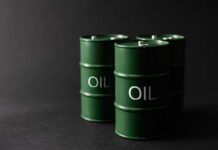


Oil jumped above $100 as fresh attacks on Saudi energy routes stoked real supply fears and rattled global markets.
Story Highlights
- Strikes on Saudi infrastructure and shipping lifted Brent and West Texas Intermediate by more than 4% on reopening.
- Saudi Arabia’s East-West pipeline, a key route that avoids the Strait of Hormuz, faced disruption risks.
- Houthi fighters claimed attacks on Saudi targets as markets priced higher Middle East danger.
- President Trump’s remarks about Iran seeking a deal briefly trimmed the price spike amid heavy volatility.
Prices Surge After Weekend Strikes Hit Saudi Energy Assets
Reuters reported that oil prices jumped sharply when markets reopened after weekend attacks on Saudi energy infrastructure and shipping. Brent crude rose about $4.68, or 4.5%, to $109.29 a barrel, while West Texas Intermediate climbed $4.21, or 4.2%, to $104.26. Traders focused on new strikes and shipping threats that could tighten near-term supply. The price move lined up with the first trading session after the incidents, showing how fast energy markets price risk into futures contracts.
Another Reuters account said both crude benchmarks initially jumped almost 5% before easing after President Trump stated that Iran wanted to reach a deal with Washington. That comment cooled part of the rush into crude, though prices still finished higher on the day. The intraday swing showed how headline risk from the Middle East can collide with diplomacy signals and shift energy prices within minutes during active sessions.
Pipeline Vulnerability Raises Global Supply Stakes
Saudi Arabia’s East-West pipeline again proved central to market focus. The line lets exports move from the Gulf to the Red Sea, avoiding the narrow and tense Strait of Hormuz. Reporting described the route as strategically important because damage could threaten up to 4% of global oil supply if flows are curtailed. Storage at Yanbu on the Red Sea coast was said to cover only a limited number of days, which heightened concern about sustained outages and loading delays if attacks persisted.
Analysts tracked the operational link between violence and barrels available to buyers. When pipeline operations slow, sellers rely on storage or alternate routes. That buys time but does not erase the risk. The fear is that repeated hits push protection costs higher and force sellers to hold back volumes. Markets reacted to that practical threat. Even the chance of export bottlenecks can lift prompt prices as refiners secure coverage for near-term needs and insurers reassess premiums on sensitive routes.
Houthi Claims And Regional Tensions Drive Risk Premium
Houthi forces claimed responsibility for attacks on Saudi targets, including a reported strike on a military airbase at Khamis Mushait. The group framed the action as retaliation for Saudi operations in Yemen. Such claims added fuel to a tense backdrop that already involved threats to shipping in and near the Strait of Hormuz. While attribution for some incidents remained disputed, the immediate trading impact came from the visible pattern of attacks and the follow-on hazards to energy logistics and export security.
A separate Reuters video brief described growing danger from Houthi and Iranian-linked activity and warned that such actions could keep upward pressure on crude. Traders hate uncertainty, and repeated strikes raise the odds of fresh disruptions at short notice. That is why futures can jump even before a confirmed and lasting loss of supply. The market prices not only barrels lost today but also the chance of barrels lost tomorrow if the attacks spread or intensify.
White House Messaging And Market Whiplash
President Trump said Iran wanted to make a deal, and prices cooled from their early highs. Later coverage noted that prices have also fallen when crude flows improved from the Middle East, underscoring how supply signals remain the key driver over time. The evidence does not isolate the exact price effect of the President’s remarks, but the timing shows that credible policy statements can dampen panic when physical risks are uncertain or temporary in scope.
🚨🇸🇦🇺🇸 Oil is back near two-week highs amid ongoing attacks on Saudi Arabia…
Brent hit $106.19 a barrel, the highest since Sep 29!
The market is rattled after a Houthi strike on Riyadh airport left 13 dead and over 300 wounded.
More tankers have also been hit this month,… pic.twitter.com/SOjC5UnNNu
— Mario Nawfal (@MarioNawfal) October 12, 2026
The policy takeaway for American families is clear. Stable energy starts with secure supply lines and deterrence against terror strikes on allies who move the world’s oil. The Trump administration must keep pressure on actors who target pipelines and shipping. Stronger escorts for tankers, tighter sanctions on terror backers, faster repairs, and better storage cushions can all lower the risk premium. That helps bring prices down at the pump and protects our economy from foreign chaos.