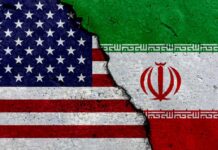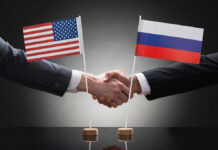

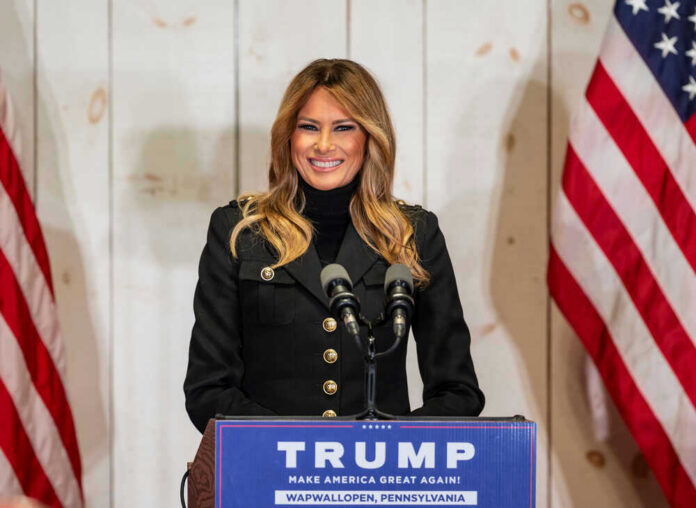
Guns fell silent, briefly and by design, after First Lady Melania Trump helped line up a local ceasefire in war-torn Oleshky.
Story Snapshot
- The White House credited Melania Trump with shaping a localized truce alongside both sides’ leaders.
- Ukraine and Russia announced matching halt times, and the pause took hold in Oleshky.
- Ukrainian negotiator Dmytro Lubinets outlined a three-step humanitarian mission tied to the truce.
- Confusion over start dates and credit raises questions that more documents could answer.
What Happened And When The Firing Stopped
The White House said First Lady Melania Trump and her representative worked with Russian and Ukrainian leadership to define the terms for a localized ceasefire in Oleshky, a Russian-occupied Ukrainian city. Officials from both countries announced that guns would go quiet at the same time, creating space for aid and evacuations. Ukrainian ombudsman Dmytro Lubinets described a three-stage plan: ceasefire, aid delivery, and civilian evacuation. Reports from the ground said the truce began on October 27 at 3 a.m. in Kyiv, matching Russia’s halt toward Oleshky.
The United States Embassy in Russia published the clearest mission sketch. The statement said both sides agreed to pause military action inside Oleshky, allow non-military teams to check on residents, and move civilians who chose to evacuate along a safe route, either toward Ukraine or into Russia. A media organization was set to document the operation, though it was not named at the time of the announcement. That detail matters because neutral eyes raise the cost of cheating and reassure wary civilians.
How The Humanitarian Plan Was Supposed To Work
Officials described door-to-door visits by non-military teams, with transport arranged for people who opted to leave. The goal was simple and hard at once: deliver food and medicine, get civilians out, and keep the guns quiet long enough to do both. Research shows ceasefires last longer when there are clear steps, verification, and routes everyone accepts. The plan sketched those basics, but it did not publish the verification playbook or who would run it in the open.
Ukraine’s Lubinets framed the pause as part of a coordinated humanitarian mission. He gave the steps and the clock, which helps lower mistrust between armed forces on tense streets. Russia’s defence ministry telling its units to halt fire toward Oleshky matched that line and gave the moment teeth. When both chains of command issue orders with time stamps, soldiers have less room to claim confusion if shots ring out.
Who Gets Credit, And Why The Dates Do Not Match Cleanly
BBC and CNN reported that Russia and Ukraine confirmed the pause, while the White House credited Melania Trump’s direct role in shaping terms. The United States Embassy statement pointed to October 29 for the operation, but Russian and Ukrainian announcements pointed to October 27 for stopping fire, creating a two-day gap that fuels debate over what document governed which stage. A clean timeline and released texts would settle this fast, and they would also help set a standard for future local pauses.
One named Ukrainian official, Davyd Arakhamia, said the agreement grew from a longer process that also involved Pope Leo, which challenges the “single-broker” storyline. That claim does not dispute the truce itself, but it spreads the credit. Skeptical residents voiced doubt after months of failed promises, which is fair when people have heard many plans and seen few buses. Common sense says results matter most: aid delivered, people moved, and quiet streets while it happens.
What To Watch Next: Proof, Not Praise
Release of signed texts, orders to field units, and logs of the joint teams would answer the only questions that still matter. Clear records of aid convoys, evacuation lists with privacy protected, and time-stamped video would show whether the mission saved lives, regardless of politics. America’s conservative instinct favors transparency with accountability: show the receipts, secure the lanes, and keep promises small and firm. If this model worked in Oleshky, lock it in and copy it where civilians still wait.
Sources:
apnews.com, bbc.com, cnn.com, cnbc.com, abcnews.com, people.com, bbc.co.uk, independent.co.uk, whitehouse.gov