
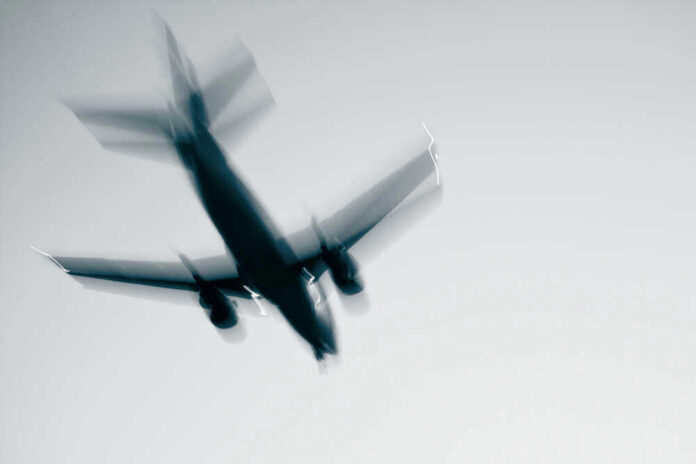
The cockpit called ahead about a midair assault, and law enforcement waited at the gate in Chicago.
Story Snapshot
- Qatar Airways Flight QR725 reported a passenger-on-passenger assault before landing in Chicago.
- The crew asked for police to meet the aircraft at O’Hare International Airport.
- Reports cited a conflict between passengers seated in rows 31 and 32.
- Law enforcement, including the Federal Bureau of Investigation (FBI), responded on arrival.
What Happened Onboard QR725
Qatar Airways Flight QR725 from Doha to Chicago reported a physical assault between two passengers late in the flight. The crew relayed details to air traffic control and requested police to meet the aircraft on arrival. Reporting identified the involved seats as row 31 and row 32, suggesting a dispute between neighbors in a tight cabin space. Aviation outlets documented the call-ahead and law enforcement response, which is standard for in-flight assault reports at major hubs like O’Hare.
A fight broke out between two passengers on a Qatar Airways flight from Doha to Chicago. The passenger in row 32 allegedly assaulted the one in row 31. Crew and passengers intervened. FBI and police met the plane at O’Hare and took the suspect into custody. The flight landed… pic.twitter.com/WVyy6k1rzm
— DinmaUpdates (@DinmaScoop) November 17, 2026
The flight continued to Chicago and landed as scheduled. Police units staged at the gate and boarded after arrival. The described timeline matches normal airline and airport procedures when crews flag a safety issue. The crew’s request through air traffic control triggers a predictable chain: notify airport police, secure the scene, identify parties, and gather statements. Public reports framed this as a reported assault, not a medical diversion or aircraft emergency.
Why Crews Call The Cops Before Landing
Flight crews cannot run a courtroom at 38,000 feet. They separate people, document what they can, and get the plane on the ground. The request for police creates a legal handoff the moment the door opens. Under established practice, the State of landing—in this case, the United States—can assert jurisdiction when an alleged offender remains on board at touchdown. That gives federal and local officers clear authority to investigate claims of assault on arrival.
Cabin crew training centers on prevention, de-escalation, and evidence capture. Crews log seat numbers, witness names, and contemporaneous details. They protect medical needs and cabin safety first. They avoid debating blame. The goal is order, not judgment. Once parked, officers take statements and review any physical evidence. If the facts point to a crime, agents can detain, caution, or refer for charges. If they do not, officers document and release. Either way, the process shows the system works.
How Often Do These Incidents Happen?
Unruly passengers draw headlines because a single act can rattle a full cabin. But the rate trends lower over time. The International Air Transport Association reported one unruly-passenger incident per 355 flights in 2025 across more than 93,000 reports. That is an improvement from one per 307 flights the year before, showing better deterrence and compliance. Events that turn physical are a small share of the total, yet they command the most attention and consequence.
The Federal Aviation Administration reports a drop of more than eighty percent in unruly passenger rates since early 2021 peaks, aided by firm enforcement and fines. That decline matters. Consistent penalties and quick law enforcement response show cause and effect: when rules have teeth, behavior improves. The lesson tracks with common sense and conservative values—set clear standards, enforce them evenly, and most people will follow the rules.
The Legal Playbook After The Door Opens
When an international flight lands in the United States with an alleged in-flight offense, federal and local authorities share lanes. Airport police secure the aircraft area and handle immediate safety. The Federal Bureau of Investigation assesses potential federal crimes, such as interference with flight crew or assault within special aircraft jurisdiction. Jurisdiction overlaps do not slow action; they focus it. Agencies coordinate, then decide the proper venue and charge, if any.
Consequences scale with the facts. A verbal spat and quick apology may end as a warning. Physical assault can mean arrest, fines, civil bans, and federal charges. Airlines can also bar a customer from future flights or pursue civil recovery for costs. That risk is real. Airlines and regulators have raised penalties and publicized them to deter bad behavior. The message is simple: keep your hands to yourself, follow crew directions, and land without the police at the jet bridge.
Zooming Back To The Aisle In Rows 31 And 32
The reported dispute on QR725 followed a well-worn path from cabin to checkpoint. The crew called it in. Officers met the flight. Investigators sorted statements. That chain protects passengers, pilots, and the public. The story sits in the wider pattern: most flights are calm, but when tempers cross into violence, the system responds fast and hard. That is how it should be. Courtesy and consequences both keep the skies civil.
Sources:
foxnews.com, airlive.net, iata.org, smh.com.au