
A 19-year-old was shot in his tent by a round fired from across a Florida river, and his father says it was no accident.
Story Snapshot
- The shot that killed Carey Vinson came from across the Blackwater River, witnesses said.
- His father, county commissioner Joe Vinson, called it a deliberate act, not a hunting mishap.
- Investigators have not ruled on intent and are examining all possibilities.
- Witnesses reported a vehicle’s headlights, engine start, and departure after the gunfire.
What Happened On The Riverbank
Santa Rosa County deputies responded after a single bullet struck Carey Vinson inside his tent near the Blackwater River. Friends told authorities the gunfire came from the opposite bank, where they saw headlights and then heard a vehicle start and leave. That account places the muzzle off-site and across water, not within the camp. The reported distance and direction suggest a purposeful aim toward a visible camp, not a negligent discharge inside the group.
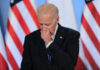
Carey’s father, Escambia County Commissioner Joe Vinson, said the killing was not a freak hunting accident or careless firing in the dark. He described “malicious intent” and said the shots were directed at an occupied sandbar campsite. Media outlets captured his words the day after the shooting, which set public expectations and drew wide attention. His view is a family assertion, not the sheriff’s official conclusion, but it aligns with what the campers reported hearing and seeing that night.
What Authorities Confirmed And What They Haven’t
Chief Deputy Randy Tifft said investigators are looking at every avenue. The office has not declared whether the shooter acted on purpose, acted recklessly, or fired by mistake. Deputies acknowledged a vehicle parked across the river and shots fired from that side, which matches witness accounts. That confirmation gives the case a clear direction for ballistics and scene work. A conclusion on intent will hinge on forensics, not press statements.
Law enforcement depends on hard edges in cases like this. Detectives will map the angle of entry, measure distance across the water, and assess whether a typical hunting line of fire could send a round into the tent from that position. They will seek the weapon, shell casings, and any dash or trail cameras. They will also work vehicle leads from launch ramps and roads near Deaton Bridge and Boat Ramp Road to match the reported lights and movement.
The Claims That Raised The Stakes
Witnesses described more than one shot and said a vehicle left after the gunfire. Those details, if verified, make an accident less likely and a knowing act more plausible. The father’s claim that the gunfire was directed at the occupied camp tracks with that witness timeline. People do not often shoot toward tents where kids are sleeping. If a hunter did that, it would mean a cascade of rule breaks. If a non-hunter did it, the motive matters even more.
American conservative values start with personal responsibility and the rule of law. Suppose the facts show someone aimed at a campsite; that crosses from tragedy to evil. If, instead, the facts show a negligent shot across water into a known recreation area, that is still a crime that demands accountability. Either way, the correct path is clear: gather evidence, charge the right person, and let a jury weigh intent. That is justice without spin, and it is what this family deserves.
How Investigators Can Close The Gaps
Ballistic testing can link a recovered bullet to a make and rifling pattern, then to a specific barrel if the firearm turns up. A trajectory model can show whether the fatal round likely came from the opposite bank and from what height above the water. Autopsy measurements can firm up the bullet’s path and angle. Combined, those findings can rule out a stray skyward shot and support or undercut a claim of deliberate targeting from a parked position.
Father of Florida teen killed while camping with friends says shooting was a "deliberate act" https://t.co/NXaPL8F40J
— CBS Mornings (@CBSMornings) November 25, 2026
Public records can also help. Dispatch logs, 911 calls, and any prior calls for shots fired in the corridor could reveal patterns. Camera hits near bridge approaches or boat ramps could catch headlight behavior that matches the time stamp from the campers. If the shooter laughed, as one account states elsewhere, that detail will need careful vetting against recorded audio or corroborated testimony. Facts, not fury, must carry the weight into court.
Sources:
cbsnews.com, bbc.co.uk, inquisitr.com