

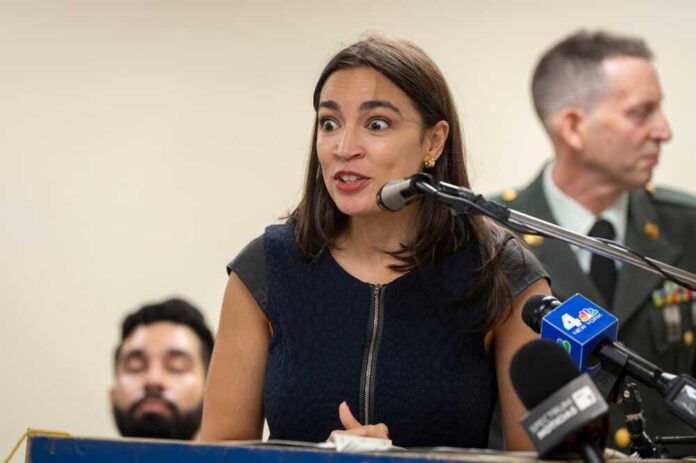
Alexandria Ocasio-Cortez is signaling she may use a narrow political window to decide between the Senate and the White House in 2028, and she wants everyone to know she’s keeping her options open.
Story Snapshot
- Ocasio-Cortez says she will decide after the midterms whether to aim for the presidency or Senate.
- She described the next few years as a “very unique political window” in a New York Times interview.
- Coverage reflects a familiar “horse race” cycle that thrives on pre-candidacy hints.
- All signals point to a calculated pause, not a formal campaign launch.
What Ocasio-Cortez Told The Times About 2028
The New York Times reported that Ocasio-Cortez will weigh a presidential run after the midterm elections and frames 2028 as a fork in the road: stay in the House, challenge Senator Chuck Schumer for his seat, or pursue the White House.
She cast her timing as practical and time-limited, calling it a “very unique political window” in an interview that surveyed her near-term options and long-term aims. Her comments did not declare a campaign, but they did invite national speculation about viability and timing.
Her public stance matches a pattern she has used before: stay visible, test messages, and stress that big choices come later.
She kept the door open in national television conversations this summer, while also sharing personal updates that signal long-term planning, such as freezing her eggs, without linking them to a campaign decision.
The balance lets her bank attention while avoiding the costs of a declared run. It is political patience mixed with steady brand building.
Why Holding The Door Open Works
Pre-candidacy ambiguity gives leverage. It draws donors and activists without binding the candidate to a lane too soon. Research on campaign behavior shows that ambiguity can even attract voters by letting different groups project their hopes onto a potential candidate.
Media incentives push the same way. Reporters and readers chase who might run, who could win, and how power could shift, which turns hints into headlines long before any filing deadline arrives. The result is attention now with freedom to pick the best path later.
AOC reveals what it will take for her to seek White House or Senate https://t.co/lLO4a8LtN5 pic.twitter.com/MLrtskWpJb
— New York Post (@nypost) September 20, 2026
This strategy also lets Ocasio-Cortez watch the scoreboard. Midterm results will show the strength of her wing inside the party and the mood of primary voters in key states.
If progressive allies score gains, a presidential path looks wider; if not, a Senate challenge could look smarter. She told outlets she will decide after the midterms, which is plain, disciplined timing that keeps pressure off now and preserves options for 2028. From a common-sense view, waiting for data before jumping is the adult move in politics.
The Stakes For Democrats And The Senate Path
A White House bid would reorder the Democratic field. It would test whether a national progressive message can beat more cautious brands in a primary. It would also shake New York’s map. The alternative is a Senate run against a long-serving incumbent.
That option would spark a statewide fight over the party’s future and the muscle of its activist base. Local reporting and chatter have already gamed out how left-wing figures might align if she targets one track or the other, signaling how charged the choice will be.
Conservatives watching this have clear questions. What does a potential Ocasio-Cortez run mean for taxes, energy, and policing? Voters deserve straight answers on costs, not vibes. The media’s “who’s up, who’s down” focus often buries those basics.
Scholars have shown that horse-race coverage crowds out policy and confuses the public about what is at stake in government if a candidate wins. That pattern will return here unless campaigns and editors force more substance into the frame.
Read The Signals, Not The Speculation
The record shows firm signals but no leap. She told The New York Times she will decide after the midterms and placed 2028 choices into three buckets: House, Senate, or White House.
She described a tight timing window and rejected the idea that deference to party elders will set her path. She also made clear she has not ruled out a run, which keeps the national conversation humming without committing money, staff, or a calendar. That is not coyness; that is strategy shaped by incentives.
Bottom Line: The Window Opens After The Midterms
Expect the noise to rise as activists, donors, and rivals test the waters around her. Expect more headlines that turn small hints into big bets. The guide rope is simple. Watch what she does right after the midterms.
If she builds early-state trips, hires a national team, and stakes policy ground beyond slogans, the White House path is live.
If she locks on New York and tests statewide messages, the Senate path is on deck. Until then, the smart read is measured: options open, clock ticking, eyes on the midterm score.
Sources:
yahoo.com, nytimes.com, nypost.com, asset.library.wisc.edu, socialstudieshelp.com