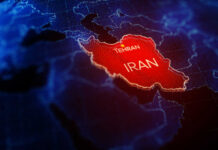

President Trump’s warning that U.S. ground troops could still be sent into Iran has turned a fast-moving air campaign into a high-stakes test of American resolve—and limits.
Quick Take
- Trump said he will not rule out deploying U.S. ground troops to Iran “if necessary” as Operation Epic Fury expands beyond initial expectations.
- The U.S.-Israeli campaign is targeting Iran’s missile forces, nuclear infrastructure, and proxy networks amid ongoing Iranian retaliation across the region.
- Reports indicate U.S. casualties in the Gulf and Israeli deaths from Iranian strikes, underscoring that Tehran still has the ability to hit back.
- The IAEA warned that nuclear material remains in Iran, raising concerns about radiological risk even as U.S. forces claim air superiority.
Trump Keeps the “Boots on the Ground” Option on the Table
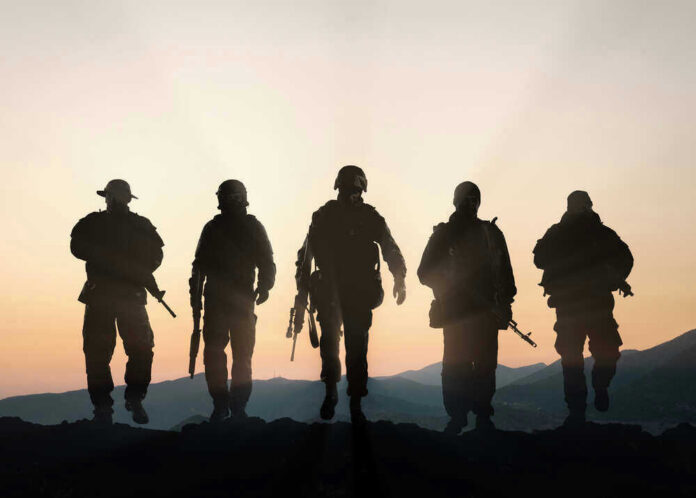
President Donald Trump told reporters March 2 that he has not ruled out sending U.S. troops into Iran, even as the administration emphasizes airstrikes and allied coordination as the primary tools of Operation Epic Fury.
Trump also forecast a “big wave” of additional strikes, signaling a possible escalation beyond what early briefings suggested. The White House has framed the mission as eliminating Iran’s nuclear and missile threats without drifting into nation-building.
Trump won't rule out sending US troops into Iran 'if necessary'- tells The Post 'I don't care about polling' https://t.co/00lrdCjdIQ pic.twitter.com/tTyiXVQHSo
— New York Post (@nypost) March 2, 2026
Defense Secretary Pete Hegseth avoided pinning the Pentagon to a single timeline, saying the campaign could run as short as two weeks or stretch to six, depending on Iranian responses and battle damage assessments.
Senior military leadership has stated the U.S. holds air superiority, a decisive operational advantage that can compress timelines and reduce risk to pilots. Still, the administration’s careful language shows the reality: a ground option remains a contingency, not a headline promise.
Operation Epic Fury: Fast Start, Real Costs, and Regional Spillover
Operation Epic Fury began March 1 after diplomacy failed to slow Tehran’s enrichment and missile buildup, according to administration accounts. By Day 2, Iranian retaliation had already produced U.S. and Israeli fatalities, with missiles also aimed toward regional partners and U.S. footprints around the Gulf.
Reporting also indicates U.S. losses include service members killed in Kuwait, highlighting the vulnerability of forward-deployed forces when Iran chooses to strike broadly rather than symbolically.
The early tempo matters because it shapes decision-making in Washington: a campaign “ahead of schedule” can reduce the pressure to expand, while a stubborn Iranian response can force harder choices.
In addition to personnel losses, reports cited aircraft losses linked to friendly fire—an operational reminder that even with air dominance, modern combat compresses timelines and increases the risk of mistakes. The basic tradeoff is unchanged: rapid force can deter further aggression, but escalation can widen targets and consequences.
Nuclear Risk and the Limits of “Clean” Strikes
Independent nuclear monitoring added a sobering complication. The International Atomic Energy Agency has warned that nuclear materials in Iran remain largely intact, meaning the campaign’s success cannot be measured only by destroyed buildings or cratered runways.
IAEA chief Rafael Grossi warned about the risk of radiological release, a scenario that could trigger evacuation demands and international pressure even if U.S. strikes remain focused on military and nuclear-linked sites. That risk constrains options.
This is where the debate becomes more than politics. The administration’s stated goal is to end Iran’s nuclear threat, but precision strikes do not automatically solve the problem if stockpiles, equipment, or expertise survive.
The more the conflict grows around sensitive facilities, the more Washington must weigh tactical gains against the possibility of nuclear contamination—or a propaganda win for Tehran if civilians are harmed. Public reporting does not yet provide clear verification of what materials have been neutralized.
What Conservatives Should Watch Next: Mission Creep vs. Deterrence
Trump’s posture reflects a familiar conservative priority: deterrence through strength, paired with skepticism of open-ended wars. The administration has publicly rejected democracy promotion and nation-building language, a direct contrast with earlier eras when Middle East campaigns expanded in scope and cost.
Yet the operational reality is that Tehran’s missile attacks on U.S. forces and allies increase the odds of escalation decisions being made under pressure, especially if casualties rise or regional partners are hit harder.
🚨Update: President Trump won't rule out sending US troops into Iran 'if necessary'- tells The Post “I don't care about polling!” pic.twitter.com/wioEZxMdYi
— US Homeland Security News (@defense_civil25) March 2, 2026
The next measurable indicators are concrete: whether Iranian missile salvos decrease, whether U.S. forces can protect bases and allies without widening the war, and whether nuclear risk warnings intensify.
If Trump authorizes additional “waves” of strikes, the public will also look for clearer definitions of success—what “neutralized” means, and how the U.S. exits without leaving unfinished business. For a country still paying for decades of global commitments, that clarity is not a luxury; it is the whole point.