

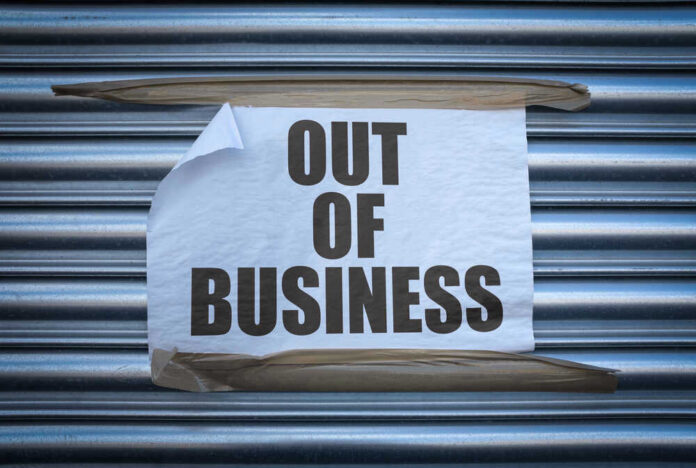
A once-busy American restaurant brand is being wiped off the map—another sign of how inflation-era consumer pressure has forced companies to retreat to “value” and cut everything else.
Story Snapshot
- Darden Restaurants is winding down Bahama Breeze by permanently closing 14 of its 28 remaining locations and converting the other 14 into different Darden brands.
- Closing locations are expected to keep operating until April 5, 2026, while conversions are slated to unfold over the next 12–18 months.
- The company says it completed a strategic review and chose not to sell or continue Bahama Breeze as a standalone brand.
- Darden expects no “material” financial impact, and investors appeared to approve as the stock moved higher after the announcement.
Darden’s decision: closures now, conversions next
Darden Restaurants, the Orlando-based parent behind Olive Garden and LongHorn Steakhouse, announced it will wind down the Bahama Breeze chain after a strategic review.
The plan splits the remaining footprint in half: 14 locations will close permanently and 14 locations will be converted into other Darden concepts. Under the company’s timeline, restaurants slated for permanent closure can remain open until April 5, 2026, while conversions will roll out over 12–18 months.
Headlines claiming Bahama Breeze will “close all its restaurants” are directionally true in one important sense: the Bahama Breeze brand itself is going away.
The more precise reality is that customers in some markets will see a full shutdown, while others—especially in Florida—may see the same building reopen under a different Darden banner after a temporary closure. Darden has not fully detailed which brands will replace each converted location.
Where the closures land—and what’s still uncertain
Reports indicate the permanent shutdowns target underperforming sites across multiple states, including Delaware, Georgia, Michigan, New Jersey, North Carolina, Pennsylvania, Virginia, and Washington, with some variance between outlet lists.
Restaurant industry coverage also referenced West Virginia among the closure markets, while other reports did not. Darden has described the conversion restaurants as “great sites” for other concepts, but the company has not publicly assigned a specific replacement brand to each address.
Darden’s approach matters because it is not a bankruptcy-style collapse where creditors take control and employees are left twisting in the wind. This is a corporate portfolio reset: Darden reviewed the brand, explored options, and decided the strongest business outcome was to redeploy real estate and labor into higher-performing brands.
For Americans tired of paying more for less, the takeaway is simple—companies are going where customer traffic is most reliable, and “value” is winning.
Bahama Breeze restaurant chain closing after nearly 30 years in business https://t.co/Br4h2s9GXH pic.twitter.com/KCFxIG3Jxr
— New York Post (@nypost) February 4, 2026
Inflation pressure meets a changing dining market
Industry coverage ties the Bahama Breeze wind-down to the broader squeeze on casual dining. When families see groceries, gas, insurance, and borrowing costs climb, eating out becomes easier to cut, and mid-tier themed chains tend to feel it first.
At the same time, the market has been flooded with second-generation restaurant spaces as other brands have downsized, creating opportunities for large operators to consolidate and upgrade locations without building from scratch.
Darden’s own results help explain why the company would rather consolidate than gamble on a turnaround. Reporting notes that Darden’s larger brands, including Olive Garden and LongHorn Steakhouse, have been performing better in a value-focused environment, while Bahama Breeze struggled with positioning.
Investors appeared to view the decision as disciplined: multiple reports observed Darden shares rising after the announcement, and coverage referenced strong year-to-date performance at the time.
What this means for workers and local communities
The most immediate impact hits employees and the communities losing a local dining option. Darden has said its primary focus is supporting team members, including efforts to place workers elsewhere in its restaurant portfolio.
That matters because closures often ripple into landlords, surrounding small businesses, and local sales-tax bases. Conversions could soften the blow in some areas by keeping a restaurant operating at the same site, but markets facing permanent closures will still experience a true loss.
Bahama Breeze to close all its restaurants https://t.co/7V2hUX0paG #FoxBusiness
— Bo Snerdley (@BoSnerdley) February 4, 2026
For consumers, the wind-down also underscores a hard reality about the last several years of economic policy and everyday affordability: when paychecks don’t stretch, discretionary spending changes fast.
The research here does not point to a political motive behind Darden’s move, but the timing lines up with a period in which households have been re-prioritizing essentials. Darden’s decision to focus on stronger, value-oriented brands suggests the company believes this consumer mindset will persist into 2026 and beyond.
Sources:
Bahama Breeze to close all its restaurants
Darden to close Bahama Breeze locations and convert others as it winds down chain
Bahama Breeze is closing restaurants
Darden Restaurants Completes Exploration of Strategic Alternatives for Bahama Breeze