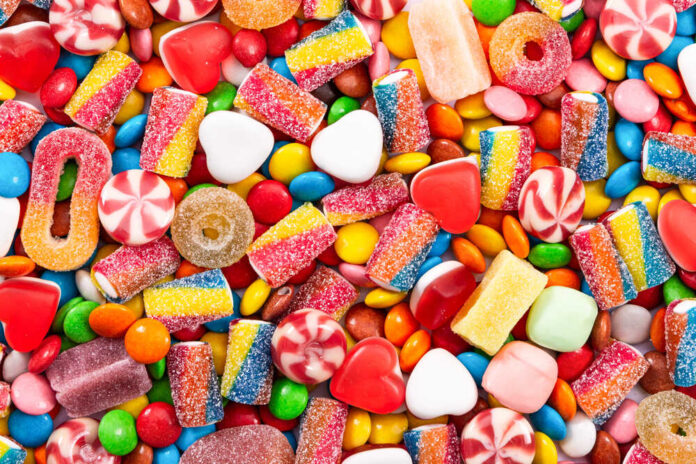
Mars just rewired America’s candy aisle by selling M&M’s, Skittles, and Starburst in new versions colored with plants, not petroleum.
At a Glance
- Mars began offering dye-free versions of M&M’s, Skittles, and Starburst, with natural colors like beet and turmeric.
- The company framed this as new “product options,” not a full swap of the classics.
- The first wave launched online, including Amazon, before wider shelves follow.
- Early dye-free M&M’s skip blue and brown pieces while the team solves those colors.
What Mars Put On Sale And Where You Can Find It
A source reported that dye-free versions of M&M’s, Skittles, and Starburst went live for shoppers on Amazon. The new colors come from simple sources: beet juice for red, turmeric for yellow, and mixes like beet, turmeric, and spirulina for green.
Beta-carotene and other carotenes round out the set. This is not a rumor or a label tweak. It is a distinct lineup, sold alongside the regular candies, with online-first access to test demand and iron out supply.
Some of the country's most recognizable candies are getting a makeover.
Starting Thursday, new versions of M&M's, Skittles and Starburst made without artificial food dyes are available to consumers on Amazon. https://t.co/FZfuqmNznz
— ABC News (@ABC) August 13, 2026
Mars set the frame in 2025 and 2026: the company would offer options without Food, Drug and Cosmetic-certified colors across four brands, starting in 2026.
Moreover, it was summarized in Mars Wrigley North America’s language as “product options,” which signals choice for shoppers rather than a forced switch.
In plain terms, the classic versions stay. The dye-free versions start online, prove themselves, then scale. That is a common playbook for big food companies.
Why Blue And Brown Are Missing In The First M&M’s Bags
Tech and cost often decide which colors launch first when companies move to natural pigments. Reports say the first dye-free M&M’s skip blue and brown.
The reason is simple: natural blue and rich brown that hold up in chocolate coatings at mass scale are hard to nail without tradeoffs in taste, shine, or price. Mars will keep selling the regular rainbow while the team finishes those formulas. That is a practical, step-by-step approach, not a retreat.
Natural colors can be finicky. Heat, light, and pH can fade them or shift the hue. Candy shells face all three. Spirulina-based blues can dull. Plant-based browns can read muddy against dark chocolate.
Engineers test coatings, stabilizers, and blends until they hit the right look and snap. That takes time. Consumers should expect steady tweaks and new color sets as Mars refines the palette and scales to factories.
What Changes For Shoppers, Parents, And Schools
Choice expands first. Parents who want fewer artificial additives now have clear picks in mainstream brands they already buy. That matters for school events and youth sports where ingredient lists trigger debate.
Online availability makes these options easy to try without hunting the specialty aisle. The price may run higher at first due to small-batch sourcing and test runs. If demand holds, costs usually come down as suppliers ramp up and contracts lock in volumes.
Flavor should stay familiar. Plant colors do not need to change taste in a finished candy if used at low levels and protected by the shell. Expect slight differences in shade rather than a new flavor profile.
Skittles fruit tones and Starburst chews should read the same for most palates. M&M’s brightness will look different until the full rainbow returns, but the chocolate core remains the anchor.
How This Fits The Bigger Food Fight Over Ingredients
Mars is not tearing up the old playbook; it is adding a new chapter. The “better-for-you” set grows by meeting people where they are, not by scolding them.
If the market rewards dye-free candy, stores will expand shelf space. If not, shoppers still get the classics. Government does not need to micromanage what the market can sort out with clear labels and honest claims.
One risk is confusion. Some headlines read like a total switch, then buyers spot only online listings. That gap can trigger doubt. The fix is straight talk: these are add-on lines, rolling out in stages, starting online, with colors built from beets, turmeric, spirulina, and carotene sources.
That is a clean, testable promise. If Mars keeps shipping and shares timing for blue and brown, trust will rise and the rollout will look smart, not fuzzy.
Sources:
facebook.com, ts2.tech, thehill.com