
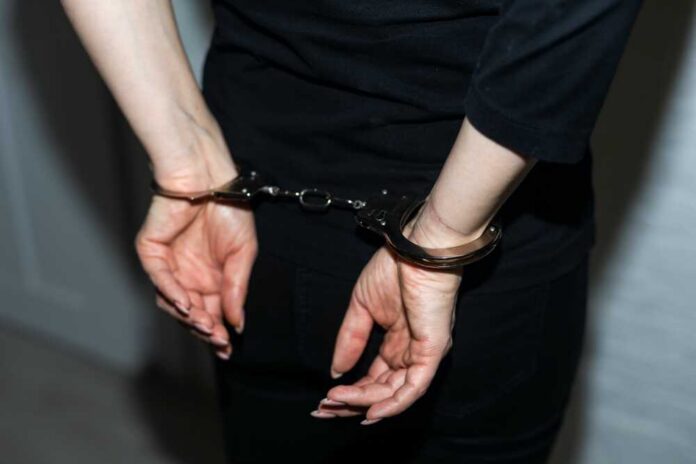
The handcuffs clicked at Los Angeles International Airport because an FBI affidavit says a traveler had already practiced spy tradecraft in Seattle.
Story Snapshot
- FBI agents arrested Wanying “Heather” Zhang at Los Angeles International Airport on a federal foreign-agent charge.
- An affidavit alleges she conducted directed surveillance in Seattle of a close relative of a Taiwanese official.
- Law-enforcement sources identified the target as the son of Taiwan’s president, Ting-Yu Lai.
- Authorities say she sent photos, video, and license-plate data to contacts tied to China.
FBI Move At Los Angeles Airport And The Federal Charge
Federal agents stopped Wanying “Heather” Zhang at Los Angeles International Airport as she prepared to board a flight to Shanghai. CBS News reported she was arrested on a charge of acting as an unregistered agent of a foreign government, a felony used when someone secretly takes direction from a foreign state. The move signals a serious counterintelligence case, not a routine airport interview. Officials framed the conduct as espionage on behalf of China, underscoring national security stakes in plain terms.
Prosecutors often bring agency charges when they can document direction, tasking, or reporting lines back to a foreign authority. Here, the affidavit’s picture of tasking in Seattle fits that mold. Under American law, you can advocate for any nation. You cannot secretly take orders from one. That line is bright for a reason. If a foreign state can map the family routines of allied leaders on our soil, it can pressure them tomorrow. That risk calls for a swift answer.
Seattle Surveillance Allegations And Tradecraft Details
An FBI special agent’s affidavit alleges Zhang, along with another person, traveled to Seattle last year to surveil a close relative of a Taiwanese government official. The affidavit says they parked near a residence, filmed arrivals, and collected details that included license plates, which are classic surveillance markers. Multiple outlets reported she later sent photos, videos, and vehicle data to contacts linked to Chinese authorities, which aligns with how directed collection gets reported back to a handler.
Law-enforcement sources told CBS News the target was Ting-Yu Lai, the son of Taiwan’s president, Ching-Te Lai. That named target would raise the stakes because it touches core United States interests: a democratic partner, a contested region, and a leader’s family living inside our borders. Taiwan’s officials publicly condemned the alleged operation, which tracks with the island’s long fight against pressure from Beijing’s security services. The complaint stage does not prove guilt, but it does lay out a working case the court will test.
Why This Case Matters For U.S. Security And Law
This case sits in a larger wave of agency prosecutions in which conduct that looks like spying gets charged under disclosure and control statutes. The Department of Justice in recent years has steered criminal use of the Foreign Agents Registration Act and the companion foreign-agent law, Section 951, toward cases that resemble classic espionage by foreign government actors. That focus reflects a simple logic: direction and control by an adversary state crosses a red line and threatens our people and our allies.
Calling this “espionage” in headlines while charging an agency offense is common, and it can confuse readers. The legal name matters in court. The behavior matters for security. If the affidavit is right, someone gathered family and movement data for a foreign state and tried to fly to China days later. That is why the arrest at the gate sends a message. Protect families of allied leaders here, or watch pressure campaigns grow bolder as they probe for soft spots.
Conservative Lens: Borders, Clarity, And Consequences
American conservative values prize sovereignty, law and order, and clear lines about who is in charge on our soil. This case checks all three boxes. A foreign state allegedly sent tasking into our backyard. Our agents acted with speed and consequence. That is how deterrence looks. The United States should not shrug at license-plate sweeps outside a leader’s family home. It should make the cost of running that play here high enough that planners in Beijing look elsewhere before they try it again.
FEDS ARREST ALLEGED CHINESE FOREIGN AGENT AT LAX
First Assistant U.S. Attorney Bill Essayli says Wanying “Heather” Zhang was arrested while attempting to leave for China—accused of surveilling a Taiwanese official’s relative at the direction of PRC officials. https://t.co/DVGbW0iArQ
— Real America's Voice (RAV) (@RealAmVoice) October 4, 2026
Congress and the executive branch can go further without drama. Tighten counterintelligence resources around diaspora pressure zones. Raise penalties when surveillance targets relatives of allied officials under protection agreements. Keep the charging focus on directed conduct, not broad speech. Most of all, keep the promise to friends: if your family lives here, our shield covers them too. This arrest tells that story in cuffs and court dates, which is the language hostile services understand best.
Sources:
cbsnews.com, abc11.com, abcnews.com, focustaiwan.tw, wpde.com