
A civil-rights nonprofit that built a brand policing “hate” now faces a federal indictment alleging it secretly funneled millions to the very extremists it claimed to fight.
Quick Take
- DOJ announced an 11-count indictment accusing the Southern Poverty Law Center of wire fraud, bank fraud, and money-laundering conspiracy.
- Federal prosecutors allege SPLC routed more than $3 million (2014–2023) to eight people tied to white-supremacist and extremist groups.
- The government says shell entities, layered transfers, and prepaid cards were used to obscure the source and purpose of the funds.
- SPLC’s CEO says the probe is “weaponization” and vows an aggressive defense as the investigation continues.
What DOJ says SPLC did—and how prosecutors say it was disguised
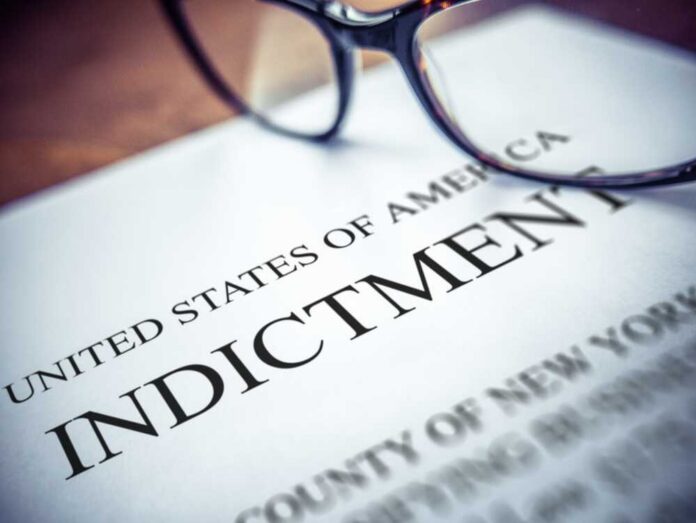
Federal prosecutors say a grand jury in the Middle District of Alabama returned an 11-count indictment alleging the Southern Poverty Law Center committed six counts of wire fraud, four counts of bank fraud, and one count of conspiracy to commit money laundering.
DOJ leaders say SPLC claimed donor money would be used to dismantle extremism while allegedly sending funds to individuals affiliated with groups such as the Ku Klux Klan and other extremist organizations.
Investigators allege the organization moved money through a web of fictitious organizations and shell accounts that had “no legitimate business purpose.” Prosecutors say transfers were routed through multiple accounts and ultimately loaded onto prepaid cards—steps the government argues were designed to hide that SPLC was the original source of the money.
Those details matter because the indictment is not just about whom the payments reached, but about whether the financial plumbing itself was intentionally deceptive.
The informant question: when “intelligence gathering” becomes a legal risk
Reporting tied to the investigation indicates the case focuses on SPLC’s now-defunct use of paid confidential informants to infiltrate extremist groups. Using informants is not inherently illegal, and it can be a legitimate method for understanding threats.
The legal exposure, based on what’s been publicly described, appears to hinge on whether SPLC misled donors and banks about the nature of the payments and whether the organization deliberately masked transactions using shells and prepaid cards.
The indictment’s timeline stretches from 2014 through 2023 and includes allegations that SPLC made at least $3 million in payments to eight individuals. Prosecutors allege three recipients had ties to the KKK, with other recipients linked to groups including the National Socialist Movement and Aryan Nations-related networks.
The indictment also references payments connected to individuals tied to the 2017 “Unite the Right” rally in Charlottesville, a flashpoint event that ended in violence and drew national scrutiny.
Southern Poverty Law Center indicted on federal fraud charges related to past use of paid informants https://t.co/PaSeSRKBHW
— WREG News Channel 3 (@3onyourside) April 21, 2026
Political and cultural fallout: trust, “elite” institutions, and donor transparency
SPLC has long been influential in national debates over extremism, including through research that informs law enforcement and the public. That influence is part of why these allegations land so hard with many Americans—especially conservatives who already view major nonprofits and advocacy groups as politically protected “elite” institutions.
For skeptics of institutional power, the case reinforces a broader concern: that fundraising narratives can mask agendas and that oversight arrives only after years of questionable conduct.
SPLC’s response and what happens next in a GOP-run Washington
SPLC’s CEO has publicly rejected the government’s framing, accusing the administration of “weaponizing” federal power and pledging to defend the organization, its staff, and its work. At the same time, public reporting indicates the investigation is ongoing and that the current indictment targets SPLC as an organization, not necessarily specific individuals—at least for now.
In a second Trump term with Republicans controlling Congress, scrutiny of politically active nonprofits is likely to remain intense, but the facts will still have to be proven in court.
DOJ charges Southern Poverty Law Center with fraud over secret funding of extremist groups https://t.co/w2fXa9naEc
— CNBC Politics (@CNBCPolitics) April 21, 2026
For everyday Americans across the political spectrum, the practical takeaway is simpler than the partisan fight: if the government’s allegations are accurate, donors were misled and financial institutions were deceived. If SPLC’s “weaponization” claim is accurate, a prominent nonprofit is being targeted for political reasons.
At this stage, the public record describes allegations backed by an indictment—not a conviction—so the next meaningful milestone will be what prosecutors can substantiate with documents, witnesses, and a clear money trail.
Sources:
Southern Poverty Law Center Justice Department investigation informants hate groups
DOJ says Southern Poverty Law Center funneled $3M to white supremacist, extremist groups
Southern Poverty Law Center Justice Department investigation