

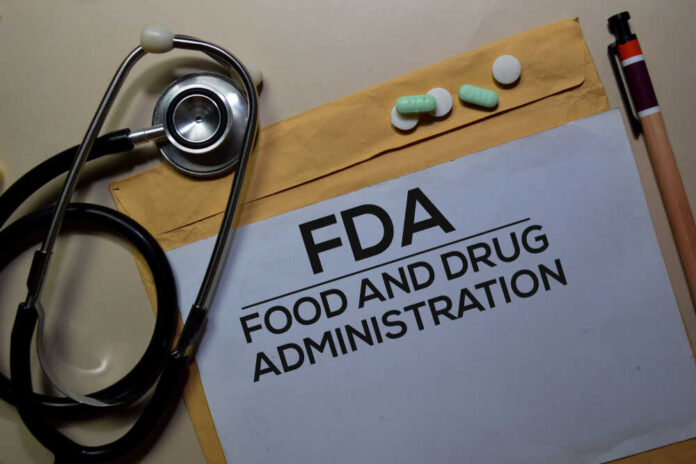
Two death reports tied to bootleg “retatrutide” jolted regulators into a fast, public crackdown.
Story Snapshot
- Two deaths were reported to the Food and Drug Administration after alleged use of illicit “retatrutide” products.
- Food and Drug Administration actions target sellers of unapproved and illegally marketed versions of retatrutide.
- Retatrutide is not approved for any use in the United States; legal sales do not exist.
- Clinical trials reported deaths deemed unrelated to study drug, underscoring the danger of bootleg lookalikes.
What triggered the alarm: two deaths and a bootleg supply chain
CBS News reported that two recent death reports were filed to the Food and Drug Administration after people used products sold as retatrutide, an experimental weight-loss drug not approved in the United States. The reports came through the Food and Drug Administration Adverse Event Reporting System, which logs events tied in time to a product. The documents describe cardiac arrest and suspect products marketed as “Reta,” pointing to a gray market that mimics hot, name-brand weight drugs.
Regulators responded by pressing sellers and telehealth outfits that market unapproved drugs like retatrutide. The Food and Drug Administration states that retatrutide is an investigational medicine and cannot be compounded or sold under federal law. This matters for buyers who think they have found a cheaper, faster path to weight loss. If a product claims to be retatrutide, it is by definition outside the approved drug supply in the United States.
Retatrutide’s real status: investigational, not for sale
A search of the Food and Drug Administration’s Drugs at Food and Drug Administration database shows no approved retatrutide products. No Food and Drug Administration approval means no lawful pharmacy stock and no legal online source in the United States. That does not stop social media ads, reseller websites, or pop-up clinics from pushing “research peptides” or “compounded” versions. The Food and Drug Administration has clearly said that retatrutide and similar agents cannot be compounded for weight loss or any other purpose.
Trial data offer another anchor point. Peer-reviewed results reported deaths during retatrutide trials, but investigators assessed them as unrelated to the study drug. That detail helps separate two issues. One is the safety profile being tested in controlled trials. The other is the bootleg market, where labels can lie, doses can drift, and quality controls are absent. Confusing the two only helps bad actors. Conservative common sense draws a bright line: buy medicine from the legal supply chain or do not buy it at all.
What adverse event reports can and cannot prove
The Food and Drug Administration Adverse Event Reporting System is a safety net, not a verdict machine. The Food and Drug Administration explains that reports are often incomplete, do not prove causation, and cannot be used to estimate risk. A report links an event to a time window after a product was used, but many factors can drive the outcome. Other drugs, hidden ingredients, dosing errors, or an illness can be the true cause. The Food and Drug Administration repeats this caveat across its own guidance.
The Food and Drug Administration received reports in recent months that two people died after taking bootleg versions of an experimental weight-loss drug, according to documents reviewed by CBS News.
The reports link the deaths to products claiming to be retatrutide, a drug… pic.twitter.com/u94nox9aLf
— CBS News (@CBSNews) October 13, 2026
Those limits do not blunt the urgency. They guide it. When products are unapproved, the risks compound. Buyers cannot know the source, the purity, the dose, or even the actual drug in the vial. That is why the Food and Drug Administration focuses first on stopping illegal sales while investigators review the death reports. The approach aligns with core safety principles: shut the spigot, trace the supply, and protect patients before more harm occurs.
How to think about risk and responsibility now
Consumers should treat any online “retatrutide” offer as a red flag. Doctors should steer patients to approved options and report suspected bootleg products. Policymakers should back enforcement with real penalties on sellers who prey on desperate people. The market craves quick weight-loss fixes, but the rule of law must hold the line. The Food and Drug Administration’s stance is clear, the clinical context is public, and the legal path is narrow by design.
Sources:
cbsnews.com, retatrutidebio.com, fda.gov, static.poder360.com.br, open.fda.gov, fis.fda.gov