
A federal grand jury has now refused twice in one week to indict New York Attorney General Letitia James, exposing deep cracks in the Justice Department’s effort to pursue Trump critics.
Story Snapshot
- Second grand jury in a week rejects DOJ push to re-indict Letitia James, signaling skepticism toward political prosecutions.
- Original cases against James and James Comey were tossed after a judge ruled Trump-appointed prosecutor Lindsey Halligan was installed improperly.
- Defense calls the latest rejection an “unprecedented” rebuke and a stain on DOJ’s integrity.
- Prosecutors insist they stand by the charges but face mounting legal and public-relations obstacles.
Grand Jury’s Double Rejection Undercuts DOJ Strategy
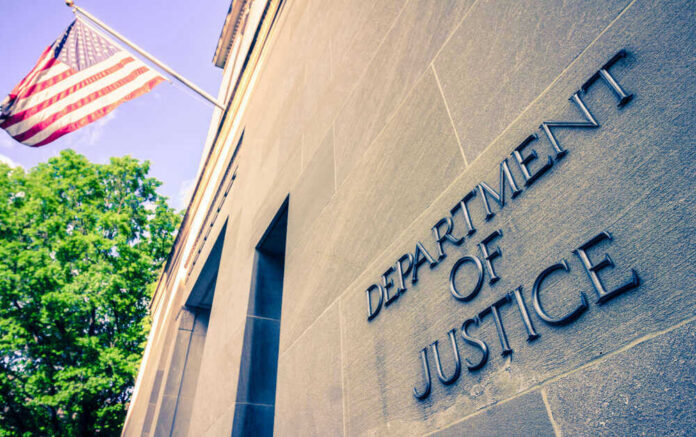
A grand jury in Alexandria, Virginia, declined to re-indict New York Attorney General Letitia James, just days after a separate grand jury in Norfolk rejected a similar request.
Citizens on both panels heard the Justice Department’s evidence and declined to treat the case as the “clear-cut” criminal matter prosecutors claimed it was. The rare back-to-back refusals signal serious hesitation about efforts to keep reviving charges against a high-profile Trump critic.
The latest failure marks the second time in a week that ordinary citizens refused to rubber-stamp charges the department has aggressively pushed. People familiar with the matter, speaking anonymously, confirmed prosecutors had sought a new indictment and left empty-handed once again.
For a Justice Department already under scrutiny for appearing to wage political battles in court, the outcome is more than a procedural setback; it raises doubts about both the strength of the evidence and the wisdom of repeatedly returning to grand juries.
Justice Department again fails to re-indict New York Attorney General Letitia Jameshttps://t.co/qj81QeaE2w pic.twitter.com/pc4YG0Mqv7
— The Washington Times (@WashTimes) December 12, 2025
Illegally Appointed Prosecutor Blows Up the Original Cases
The James and James Comey prosecutions were already on shaky ground after a federal judge threw out the original indictments in November. U.S. District Judge Cameron McGowan Currie ruled that Lindsey Halligan, the Trump administration pick who presented the cases to the grand jury, had been illegally appointed U.S. attorney for the Eastern District of Virginia.
By dismissing the indictments without prejudice, the judge allowed prosecutors to try again but highlighted serious concerns about how leadership at the office had been reshuffled.
Halligan’s appointment followed intense public pressure from President Trump to take legal action against his political adversaries, including James and former FBI Director Comey. She replaced interim U.S. attorney Erik Siebert, a veteran prosecutor who resigned after Trump said he wanted Siebert “out” amid frustration that charges had not yet materialized.
That sequence gave defense lawyers ammunition to argue that prosecution decisions were driven more by presidential demands than independent legal judgment, complicating any future efforts to convince jurors that the cases are purely about enforcing the law.
The Charges Against Letitia James and Defense Pushback
Letitia James initially faced counts of bank fraud and making false statements to a financial institution tied to a 2020 home purchase. Prosecutors said she signed a “second home rider” promising to use the property primarily for her own enjoyment for at least a year, then rented it to a family of three instead.
By characterizing the home as a second residence rather than an investment property, she allegedly secured loan terms that would not have been available to an ordinary rental arrangement, forming the basis of the government’s theory.
James, a Democrat, previously drew Trump’s fury by suing him, alleging he built his business on inflated valuations, eventually winning a massive civil judgment that was later tossed by a higher court and is still under appeal.
Her attorneys argue the criminal case is a textbook example of vindictive prosecution aimed at punishing a longtime critic who hounded the president in court.
After the latest grand jury setback, defense lawyer Abbe Lowell called the refusal “unprecedented. He said the matter “already has been a stain” on the department’s reputation, warning that any new attempt to revive the charges would mock the justice system.
Parallel Troubles in the Comey Case and DOJ’s Next Moves
Former FBI Director James Comey faces a separate prosecution, with charges alleging he lied to Congress in 2020. That case has hit its own roadblocks.
Another federal judge temporarily barred prosecutors from accessing computer files belonging to Columbia law professor Daniel Richman, a Comey associate whom investigators see as central to any potential case.
Prosecutors responded by moving to quash the order, calling Richman’s legal maneuvering a strategic attempt to obstruct their work and arguing the court had overreached by ordering his property returned during an active investigation.
Within the Justice Department, officials insist they still stand behind the charges against James and are weighing whether to seek a third grand jury. That decision now comes against the backdrop of two rejections, a judicial finding of an improper appointment, and sustained criticism that the department allowed political grudges to drive case selection.
For Americans who want law enforcement focused on clear crimes instead of partisan score-settling, the latest developments highlight how easily justice can be distorted when prosecutions appear tailored to target political enemies rather than protect equal treatment under the law.