
Rangers found human remains in the Grand Canyon while still searching for the last missing hiker from the late-August flash flood.
Story Snapshot
- National Park Service recovered remains near Crystal Rapid on September 14.
- Search teams were still looking for Timothy Allen Smith when they made the discovery.
- Officials had not shifted to a recovery-only mission before the find.
- Two members of Smith’s hiking party had already been found dead after the flood.
Remains Recovered While Search Pressed On
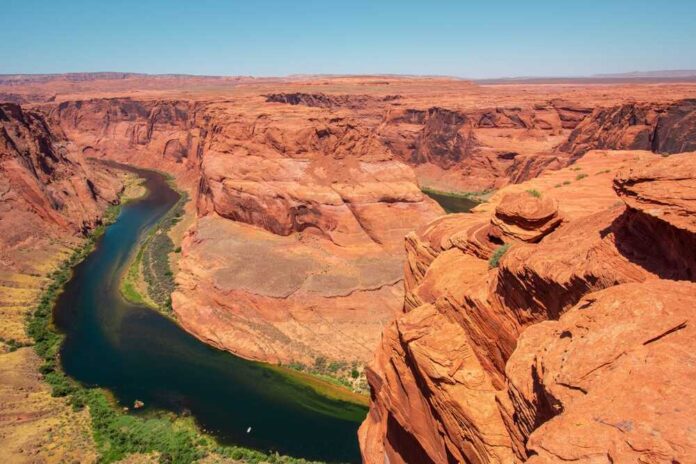
The National Park Service said rangers recovered human remains near Crystal Rapid on the Colorado River on Monday, September 14. Staff transferred the remains to the Coconino County Medical Examiner’s Office for identification.
Crews were still searching for Timothy Allen Smith when they made the discovery. Reports described rangers being called to the site after a tip about remains in the water corridor and carrying out the recovery the same day.
Human remains found in Grand Canyon during search for Timothy Allen Smith, hiker who vanished in flash flood weeks ago https://t.co/ZCJYAsyV49 pic.twitter.com/fNtpLpxp5p
— New York Post (@nypost) September 15, 2026
Officials had not publicly declared a change from rescue to recovery before the remains were found. Search leaders said they would keep looking for Smith and continued using air and ground teams as river levels and terrain allowed.
That choice matched best practice in fast-changing flood zones, where visibility and access can shift by the hour. The stance also aligned with earlier updates that kept the operation active and open-ended.
Flash Flood Struck Popular Inner-Canyon Route
The flash flood hit Bright Angel Canyon near Phantom Ranch on August 29. Water and debris surged through the narrow corridor after heavy rain. Smith was hiking with two friends when the flood arrived.
Those two friends were later found dead, and officials named them as John Giusti and Brent Rosenkranz in outlet reporting that tracked the case from the start. Smith remained the only person still missing.
Damage reports from the park described washed-out trails, broken bridges, and unstable banks. Crews had to evaluate hazards before they could move people and gear safely.
That slowed some searches and forced aerial lifts in places that were once easy to reach on foot. The force of the water also changed the landscape, which can scatter evidence and move remains far from a last known point.
Why Identification Takes Time After Disasters
Medical examiners follow a set process to name a person with certainty. They gather dental records, fingerprints, and DNA, then match those against known files from the missing person.
They also check any medical implants or unique marks. That work can take days or weeks, especially when remains are found in water or after significant trauma. Coroners’ guidance stresses one primary scientific match before a formal identification is made.
Rushing this step can create heartbreak and legal errors. Families deserve a clear, final answer grounded in science. Search and rescue teams, medical examiners, and the National Park Service each have a role.
They document the recovery site, log personal effects, and ensure a clean chain of custody. Then lab teams do the lab work. The goal is simple and sober: tell the truth, once, and get it right the first time.
A Canyon That Gives No Free Passes
Grand Canyon hikers train for heat, distance, and exposure, but water is the deadly wildcard. Slot canyons and side drainages can funnel a storm’s worth of runoff into a tight space in minutes. Warnings help, but weather windows can close fast.
Sources:
nypost.com, abcnews.com, wbznewsradio.iheart.com, people.com, washingtonpost.com, facebook.com