

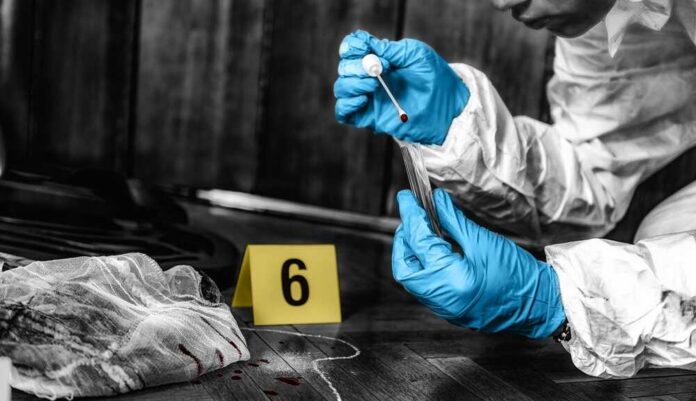
A name lost in 1977 has been returned in 2026: Cindy Marcell Blizzard.
Story Snapshot
- State investigators identified remains found near a Wilson, North Carolina plant in 1977 as 15-year-old Cindy Blizzard from Maryland.
- A 2024 cold case review used advanced DNA testing and genealogy to make the match.
- The medical examiner in 1977 estimated a white female teen or young adult, which aligns with the new ID.
- The death investigation remains open; officials still seek how and why she died.
Cold Case Breakthrough Anchored by Names, Dates, and Science
The North Carolina State Bureau of Investigation said skeletal remains found on December 29, 1977, in a wooded area near the Firestone plant in Wilson belong to Cindy Marcell Blizzard, a 15-year-old who ran away from Monkton, Maryland, in the spring of that year.
Investigators found clothing with the remains, which preserved crucial context for later work. The 1977 medical examiner described the decedent as a white female, estimated 16 to 23 years old, which tracks with Blizzard’s age and the identification.
The State Bureau of Investigation’s Cold Case Investigative Team reopened the file in 2024 and assigned Special Investigator Andy Murr to the review. A bone sample went for advanced DNA testing. That testing produced a single nucleotide polymorphism profile.
A genealogy service used that profile to identify relatives. That family tracing pointed back to Blizzard, which allowed investigators to confirm the identity and notify next of kin.
A body that was found in North Carolina 49 years ago was identified as a 15-year-old girl who ran away from Maryland. https://t.co/18PnUQrwmZ
— FOX 5 DC (@fox5dc) September 10, 2026
From Runaway Report to Wilson Woods
Public reporting states Blizzard left her home in Monkton, Maryland, in spring 1977, several months before hunters found the remains off a road near the industrial site in Wilson that December.
The original forensic estimate placed the time at the scene somewhere between six months and two years, which left too much room to narrow the timeline then. The cause and manner of death were not established at the time, and they remain undetermined today according to recent accounts.
Local coverage underscores that the identification is official for who the victim is, yet the criminal questions are not settled. Law enforcement now has a confirmed identity, which often acts as the hinge that turns a stale file into active leads. That is how cold cases move: first name the victim, then work the who, when, where, and how that follow from a life placed back in context.
How Genealogy Turned DNA into Leads
Investigative genetic genealogy takes a broad DNA profile and looks for matches with distant relatives in consumer or dedicated databases. From those hits, trained genealogists build family trees to home in on likely identities. Reviews in the forensic field describe this method as an effective tool for naming unknown decedents in cold cases across the United States.
The technique identifies a person; it does not by itself answer cause or manner of death, which still require detective work and, when possible, traditional forensics.
Decades after her remains were discovered in a North Carolina town, a missing runaway teen has been identified by authorities
🔗: https://t.co/kOsuyP5J4d pic.twitter.com/hJi1QDPsNo
— KBTX News (@KBTXNews) September 9, 2026
The State Bureau of Investigation describes a standard path here: extract a viable DNA sample from bone, create a profile suited for genealogy, trace relatives, and confirm through targeted testing once a candidate emerges. That process explains why earlier efforts failed.
The technology to pull rich DNA from old bone and search wide family networks did not exist in the late 1970s or even in many labs a decade ago. Today, it gives investigators a second chance when time once closed the door.
What This Identification Means Now
Families deserve answers, not question marks. Giving back a name honors the victim and replaces rumor with record. This identification gives investigators a fixed anchor: Cindy’s age, origin in Maryland, and a confirmed end point in Wilson. That anchor can support interviews, record pulls, and any cross-state links that were too faint to follow before.
Officials state the death investigation remains open, and they want the public’s help. That call matters. Someone who lived or worked near the Firestone plant in late 1977 may recall a car left off the road, a jacket, a rumor at a diner, or a name from out of town.
Runaway cases often involve couch surfing, rides with acquaintances, or brief stays with friends of friends. Any thread, however small, can matter now that investigators have a name.
The Path Ahead: Build the Timeline, Then the Case
Investigators can now rebuild Cindy Blizzard’s last months. That means checking Maryland and North Carolina missing-person files, school records, and any police contacts from spring and summer 1977.
It means re-examining the clothing found at the scene and logging brand, size, and retail origin for hints of travel or purchase. It also means cross-checking any known associates, vehicles, or seasonal workers who moved through Wilson that year.
One sentence of caution applies: an identification is not a conviction. But it is measurable progress. The file that closed on a Jane Doe has reopened on Cindy Blizzard.
That shift gives law enforcement a real chance to turn science into justice. If you know something about a Maryland teen who appeared in North Carolina in 1977, now is the time to speak up.
Sources:
abcnews.com, wgme.com, witn.com, annexpublishers.com