

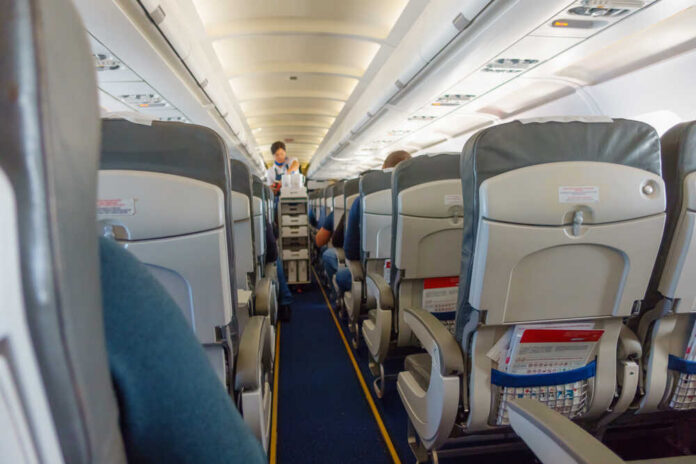
United Airlines planes sat stuck at gates Monday afternoon as a widespread computer failure froze departures across the airline’s entire network.
Quick Take
- United confirmed a “widespread system outage” that stopped departing flights nationwide.
- Flights already in the air and United Express regional flights were not affected, the airline said.
- The outage hit just days after a rare nationwide FAA ground stop disrupted air travel.
- United said technicians worked to restore systems and later confirmed the issue was fixed.
Airline Confirms Outage Froze Departures Nationwide
United Airlines posted on X that it was “aware of the widespread system outage” and that teams were working hard to fix it. The airline apologized for the inconvenience and asked customers to check back for updates. That public admission came fast, within hours of travelers noticing planes stuck on tarmacs and gates across the country with no clear explanation.
BREAKING: United Airlines is experiencing an outage preventing flights from departing, marking yet another major airline disruption.
Passengers are reporting delays, with at least one plane returning to the gate because crews couldn’t access critical performance data.
At LAX,… pic.twitter.com/Ql1JFLiVnr
— Fox News (@FoxNews) November 16, 2026
United gave a specific picture of the damage. The company said it was “troubleshooting a technology issue affecting departing flights” but stressed there was “no impact on flights in progress, or on United Express flights”. That distinction matters. Planes already airborne kept flying under existing flight plans, while new departures needed fresh system clearance United’s own network could not provide.
What Broke, and Why It Mattered to Passengers on the Ground
The Associated Press reported United confirmed it was having a “systemwide outage” Monday afternoon, language that CBS News and other outlets echoed in their own coverage. The problem reportedly disrupted pilot-facing applications United dispatchers use to finalize aircraft weight and clearance before takeoff. Without those tools working, planes could not legally leave the gate, even though nothing was wrong with the aircraft themselves.
News coverage from MS NOW described the scene plainly: United flights simply could not take off while the outage dragged on. Airports saw crowded terminals, confused travelers, and growing delay boards as United worked through the problem. The airline did not say which specific system or server failed, nor how many flights or passengers were affected by the time operations returned to normal.
Timing Raised the Stakes After a Rocky Week for Flyers
The outage landed just three days after the Federal Aviation Administration (FAA) ordered a rare nationwide ground stop, an event the FAA administrator attributed to equipment failure. That four-hour stoppage snarled departures at airports coast to coast and left thousands of passengers scrambling for rebooked flights. United’s meltdown so soon afterward understandably made travelers wonder if the two events were connected.
NBC reported that the United outage did not appear related to the earlier FAA problem, even though the close timing fueled public speculation. Other outlets, including CNN and the Associated Press, noted the back-to-back nature of the incidents without confirming any shared cause. For passengers already rattled by one nationwide disruption, a second major airline failure within the same week felt like more than coincidence, even without evidence tying them together.
No Sign of a Cyberattack, but Questions on Cause Remain
United did not say what caused the outage, and reporting at the time noted it was not immediately clear which of the airline’s systems had failed. Speculation about a possible cyberattack circulated online, but nothing in the airline’s statements or independent reporting confirmed malicious activity was behind the failure. United’s language pointed instead to a straightforward technology breakdown that its teams worked to repair through the afternoon.
By evening, United signaled the fix was in place and operations were returning to normal, consistent with its earlier promise to get “things back up and running as soon as possible”. The airline has not released a public count of how many flights were delayed or canceled, nor a full timeline of when the outage began and ended. Passengers who experienced delays were left relying on United’s own brief, repeated social media updates rather than a detailed technical explanation.
For an industry already under scrutiny after the FAA’s ground stop, a second major breakdown within days is a reminder of how dependent modern air travel has become on software most passengers never see. When that software stumbles, it does not ground planes already in the sky, but it can paralyze an entire airline’s ability to get new ones off the ground. Travelers deserve more transparency from airlines and regulators alike when these failures happen back to back.
Sources:
insiderpaper.com, dispatch.com, cbsnews.com