

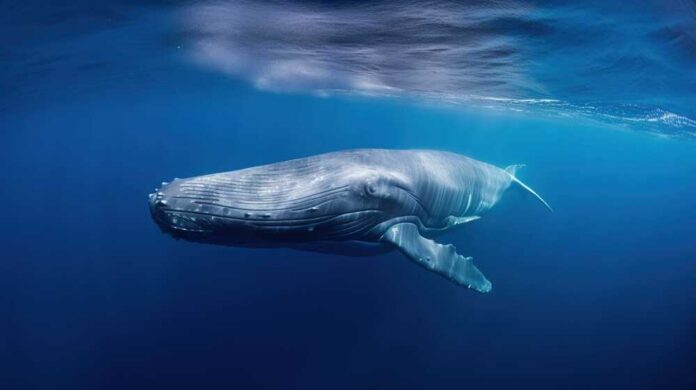
A known humpback whale named Rio surfaced in the Sacramento River near Rio Vista, roughly 60 miles from the Pacific Ocean, and people saw it with their own eyes and cameras.
Story Snapshot
- Witnesses recorded a humpback whale breaching near Rio Vista in the Sacramento River.
- The Marine Mammal Center confirmed the animal as CRC-11620, nicknamed Rio.
- Reports placed the sighting about 60 miles from the ocean, an uncommon distance for a humpback.
- Experts urged boaters to keep a safe distance while monitoring the whale’s path.
A whale with a name shows up in farm-country waters
Video from the river near Rio Vista showed a large humpback whale breaching and blowing as boats idled nearby. Local station KCRA reported the sighting and described the path from San Francisco Bay into the Sacramento–San Joaquin Delta earlier in the week.
The Marine Mammal Center said the whale was first seen in the Bay, then continued inland along the channels toward Rio Vista. This confirmed a rare but real detour that demanded attention and restraint from curious onlookers.
A humpback whale was spotted 60 miles inland in California, deep in the Sacramento-San Joaquin Delta. Watch till the end. #Whale #California #Wildlife pic.twitter.com/HYiwUic0dy
— NTD News (@NTDNews) September 20, 2026
Scientists linked the whale to a known individual in the Cascadia Research Collective catalog: CRC-11620, known as Rio. Photo identification works like a fingerprint. Researchers match tail patterns and scars across multiple sightings.
The center said Rio has been documented many times over two decades in California and Mexico waters, which is why they could quickly verify this match for the public and local officials. That clarity helped guide safety messages and eased rumors on the docks.
Sixty miles inland is not normal, but it has happened
Reports framed the moment with a simple measure that grabs attention: about 60 miles from the whale’s ocean home. That distance underscores how far a large animal can travel when it follows food, currents, or tide into the Bay and beyond. Past cases show the pattern.
Humphrey, a humpback in 1985, lingered in these same waters before returning to sea. A mother and calf, called Delta and Dawn, stayed about 20 days in 2007 before heading back out.
Fishermen and river towns know these waters, but a whale in the shipping lanes shocks even seasoned eyes. One witness told national media he spotted the whale about a mile south of the Rio Vista Bridge around noon while fishing.
That kind of specific, local detail fits with the videos that made this story spread fast online and on air. The next day brought fewer reports, which suggested the animal was on the move and could be heading back toward the Bay.
Public guidance: slow down, back off, and let Rio choose
The Marine Mammal Center urged people to keep their distance and avoid pushing or herding the whale with boats. The center said they did not yet know if the whale was just passing through or had an issue, but stressed that space and quiet give a wild animal the best chance to find its own way.
Authorities did not launch any complex rescue, and there was no report of an injury or entanglement. Crews watched by air and from shore. KCRA’s helicopter and ground teams searched for new sightings after the first rush of video, but did not confirm later positions that day.
That gap does not weaken the core event. It signals a fast window and a moving target. Wildlife rarely performs on schedule, and rivers change with every tide.
Why whales wander up the Delta, and what it teaches
Humpbacks often follow food and tides. San Francisco Bay offers both. Strong flows can draw fish inland, and a whale can ride that path. Most turn around on their own once the water shifts or noise increases. Past cases show that patient spacing and calm traffic help more than crowding ever does.
Humpback Whale Spotted 60 Miles Up California River https://t.co/cRTHsw6ckv
— Policy Wire (@policy_wire) September 22, 2026
Rio’s visit fits a known, if rare, script that pulls a community together. Anglers look up from rods. Families drive out to bridges. Scientists move fast to share facts, not fear.
The best outcome is simple: the whale turns around, and the river goes quiet again. Based on what came next in reports, that may already be what happened. Either way, this sighting will remind boaters to steer wide, slow down, and leave the river’s biggest traveler room to pass.
Sources:
abcnews.com, yahoo.com, local10.com, kcra.com, cbsnews.com