

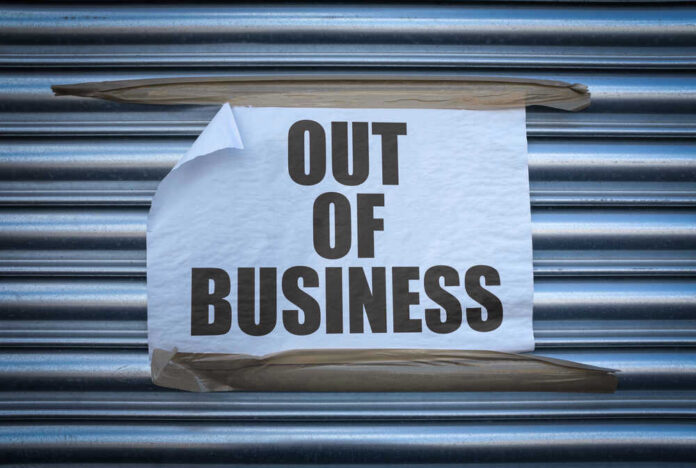
JD Sports will close about 175 Hibbett stores to shrink costs and bet on fewer, bigger winners [1][3].
Story Snapshot
- About 175 Hibbett stores will shut over three years across the United States [1][3].
- JD Sports says the plan cuts costs and shifts to fewer, larger, more productive sites [3].
- The company bought Hibbett in 2024 and is now reshaping its North American footprint [1].
- Closures will likely focus on smaller, lower-volume markets Hibbett long served [5].
What JD Sports actually said and why it matters
JD Sports told investors it will close around 170 to 175 underperforming stores in North America over three years. Leaders framed this as “optimize the store footprint” and “fewer, bigger, better” locations.
That signals a clear shift: drive more sales per store, pay fewer leases, and reduce clutter in overlapping trade areas. The chain wants higher profit per square foot, not simply more doors. That is standard post-acquisition cleanup, not a shock event in retail [1][3].
Hibbett Sports owner plans to close 175 underperforming stores in major North American reorganization https://t.co/SYgGFpK67q
— FOX Business (@FoxBusiness) June 8, 2026
Hibbett joined JD Sports in 2024 in a deal valued at nearly $1.1 billion. The buyer is now folding Hibbett into its playbook. That often means testing brand mix, renegotiating leases, and pruning weak sites. The target number, about 175, implies a broad sweep rather than a few one-offs.
The company ties the timeline to three years, which aligns with lease cycles and exit windows, helping keep penalties lower. The message to Wall Street: we are fixing the base before chasing growth [1][3].
Where the axe likely falls: smaller markets and legacy leases
Hibbett built its base in small and mid-size towns across the Southeast, Southwest, and lower Midwest. That strategy won for years. But costs rose, online sales grew, and big brands pushed more direct sales. Many small-market stores face thin traffic and high shipping and wage costs.
JD Sports appears set to close the weakest of these sites first, then convert or expand the better ones into larger regional draws. That approach fits the “fewer, bigger” script [5][3].
Closures framed as “underperforming” often reflect low sales, short remaining leases, or nearby overlap. A store can be beloved yet still lose money after rent, wages, and shrinkage. Management tends to pick locations with lease ends soon to avoid large termination fees.
The company has not released a store-by-store list or metrics. So far, coverage cites the plan and rationale but does not provide detailed financials for each site. That is common in retailer reorganizations [1][3][7].
Jobs, towns, and the conservative case for straight talk
Store closures will hit workers and small towns first. That is the hard edge of any “optimization” plan. Leaders owe those communities a clear roadmap and fair timelines. The company’s public case focuses on per-store profit and cost savings. That can be sound business.
But it should come with plain numbers on expected savings and where growth investment will go next. Straight talk honors the workers and customers who built the brand and builds trust with shareholders [1][3].
🏬 Overview:
A major U.S. sporting‑goods retailer — Hibbett Sports, owned by JD Sports — is set to close 175 stores across the United States as part of a multi‑year reorganization and cost‑cutting strategy.📉 Core Facts:
– Hibbett store closures — JD Sports will shut about 175…— Washington Report (@Washington_Rep) June 8, 2026
Critics often read closures as a distress signal. Sometimes they are right. But post-merger pruning can also set a stronger base for growth. The key test is execution: Do the remaining stores grow sales and margins within a year or two? Do leases get better? Do inventory turns speed up?
If those move the right way, then the closures did their job. If not, it was a stall, not a reset. Watch how many stores get expanded or remodeled versus simply shuttered [3][7].
What to watch next: proof in the quarterly numbers
Expect more detail on timing, impairment charges, and capital spending in the coming quarters. Investors should look for fewer markdowns, cleaner inventories, and higher sales per square foot at the survivors.
Communities should ask about staff transfer offers and how the company will handle vacant boxes. Customers should expect larger, better-stocked regional hubs and a tighter online link. The plan’s success will show up in margins first, then in steadier growth across the North American business [1][3].
Sources:
[1] Web – Hibbett Sports owner plans to close 175 underperforming stores in …
[3] Web – Hibbett Sports to Close 175 Stores in JD Sports Restructuring
[5] Web – Popular Athletic Footwear Chain To Close Underperforming Stores
[7] Web – JD Sports to shut down 175 Hibbett stores – CoStar