

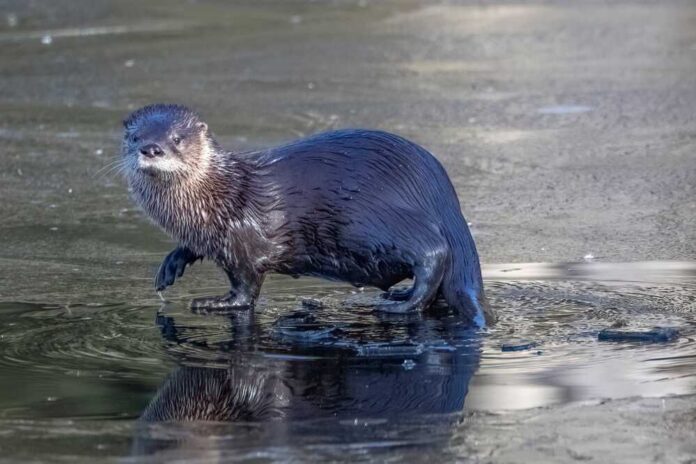
At sunrise on Lake Tahoe, a swim turned into a fight for air, blood, and time.
Story Snapshot
- A swim instructor says an otter grabbed her near Hidden Beach around 8 a.m.
- She needed about 38 to nearly 40 stitches and started rabies shots.
- River otters live in Tahoe; attacks on people are rare but can be severe.
- Wildlife and local responders went to the scene after the report.
A sudden attack in clear water
Lynnette Bellin started her morning swim near Hidden Beach in Incline Village. She told reporters that something seized her leg and pulled her underwater.
She then saw an otter and said it lunged, bit, and scratched as she tried to get away. The struggle left deep wounds on her foot and leg. She made it to shore and got help. She later began a series of rabies shots and received close to 40 stitches for her injuries.
Bellin teaches infants and toddlers to swim, so she knows how calm water can turn fast. She described the animal circling and surging at her again and again.
Local outlets reported that the attack happened near the rocky cove just south of Incline Village, a popular entry point for open-water swimmers when the lake is flat. She walked from the beach to reach help after the struggle ended. Multiple stations aired her account of the event.
Responders and rare risks
MyNews4 reported that the Nevada Department of Wildlife, the Incline Village Fire Department, and the Washoe County Sheriff’s Office went to the area after the report. That response lines up with how local agencies handle wildlife incidents that break normal patterns.
A bite in open water at Lake Tahoe is not routine. The goal in these cases is fast medical care for the victim and then a scan of the shoreline for signs that could warn others.
Reporters also noted a small variance in the stitch count. Some say “nearly 40,” others cite 38. The shared core is clear: the wounds were many, deep, and needed prompt care.
Doctors also started post-exposure rabies shots, which is standard after a wild mammal bite when the animal is not available for testing. That choice favors safety over risk.
Otters in Tahoe: present, shy, and sometimes defensive
State wildlife staff and local experts say river otters live in and around Lake Tahoe. They usually avoid people. They can defend young, guard a den, or react if they feel trapped. That is when bites can happen. ABC7 reported that officials called such encounters uncommon.
The broader record backs that up: studies and reviews describe documented human–otter attacks as rare across many decades, but real when they occur, often with serious bites that need quick medical care.
Public health advice repeats three basics. Give wildlife room. Do not feed animals. Leave if you see repeated surfacing, huffing, or circling near you. In lakes with otters, swimmers should stay in small groups close to shore.
Bright caps and a tow float can help others spot trouble. If an animal makes contact, cover your face and keep your airway clear. Get to land and get medical help at once. Doctors can wash and close wounds and assess rabies risk.
What this means for swimmers and agencies
This incident will likely sharpen local messaging around Tahoe’s East Shore. Trail and beach signs that mention otters may add guidance for swimmers. Early-morning laps near coves and boulder fields may see more patrol eyes for a time.
That would be prudent, not fear-based. Bellin’s account shows how fast a quiet swim can go wrong when a wild animal chooses the space as its own. Strong bodies of water are still wild places, even steps from a parking lot.
WARNING: The video may be graphic for some. A Lake Tahoe swimmer is recovering after what's believed to be a river otter attacked her during a swim along the East Shore of the lake on Sunday. After the animal pulled her under, the woman shared her surprising attack on social… pic.twitter.com/AWa9q7tG3G
— ABC7 News (@abc7newsbayarea) September 1, 2026