
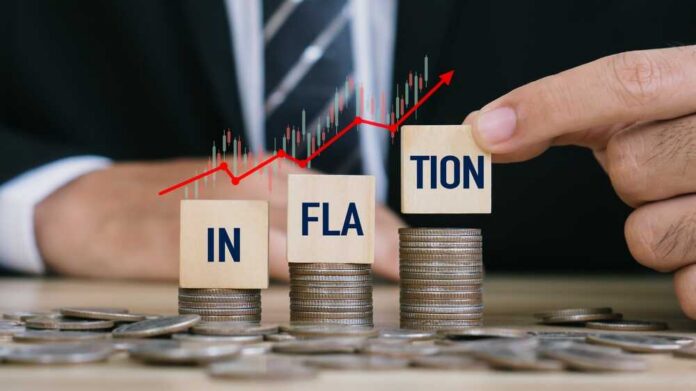
Prices rose again in August, and the government’s own numbers show inflation has not budged from last year’s pace.
Quick Take
- The Consumer Price Index rose 0.4% in August 2026, up from a 0.1% rise in July.
- Prices climbed 3.4% over the past 12 months, matching July’s annual rate.
- Core inflation, which strips out food and energy, rose 0.3% for the month.
- The report lands just days before the Federal Reserve’s next policy meeting.
What The August Report Actually Showed
The Bureau of Labor Statistics released its August 2026 Consumer Price Index report on September 11. The index for all urban consumers rose 0.4% on a seasonally adjusted basis. That is a sharp jump from July’s 0.1% increase, and it matched what economists had expected going in.
Over the full year, prices climbed 3.4%, the same annual rate recorded in July. That means Americans are paying more for everyday goods at almost the exact same clip they were a month earlier. Gasoline prices were a big part of the monthly jump, according to the Bureau’s own summary of the data.
Consumer prices rose 0.4% in August due largely to higher gasoline costs, bringing the annual inflation rate to 3.4% as the Federal Reserve prepares for its upcoming interest rate decision. https://t.co/3jShsGajZ9
— The Washington Times (@WashTimes) September 13, 2026
Strip out food and energy, the two most volatile categories, and the picture does not improve much. Core prices rose 0.3% in August, a touch higher than analysts had penciled in, with airline fares continuing to climb. That core number matters because the Fed watches it closely when the headline figure gets pushed around by gas prices.
Why This Number Lands Right Before The Fed Meets
Timing is everything here. The Fed’s next policy meeting is set for September 16, just five days after this report came out. Fed officials have said for months that inflation sitting meaningfully above their 2% goal is the reason rates have stayed where they are, not politics, not guesswork.
A report showing inflation flat at 3.4% instead of falling gives policymakers less room to declare victory. The Wall Street Journal noted the reading held steady at 3.4%, exactly matching what forecasters expected and unchanged from the prior month.
Steady is not the same as improving, and that distinction matters to a central bank deciding whether to hold rates or move them.
Inflation Has Been Stuck Above Target For Years, Not Months
This is not a one-month story. Inflation has run above the Fed’s 2% target since March 2021, and multiple Fed-adjacent researchers now describe it as a persistent above-target regime rather than a passing spike.
Reuters reported inflation held well above target for 65 straight months earlier this year, a streak that outlasted predictions of a quick return to normal.
The Atlanta Fed’s own tracking dashboard continues to flag underlying inflation measures as running above target, not hovering near it. For working families, that distinction is not academic.
It means grocery bills, rent, and everyday costs have been climbing faster than the Fed’s own comfort level for close to five years, spanning two different presidential administrations and multiple rate-setting cycles.
What Households And Markets Are Watching Next
Markets reacted to the August numbers with a mix of relief and caution, since the headline figure matched forecasts even as the core reading ran slightly hot.
That mixed reaction reflects a real tension: Wall Street cares about surprises versus expectations, while everyday households care about whether their paycheck still buys as much as it did last year.
US FED DECISION — SEPTEMBER 16, 2026 🇺🇸
Markets are heading into this week’s Federal Reserve meeting with expectations leaning toward another 25-basis-point rate hike.
The FOMC meets on September 15–16, with the current federal-funds target range at 3.50%–3.75%. The September… pic.twitter.com/KCku4AjqfL
— Carlos And Company (@carlosandcompny) September 14, 2026
For households who have watched grocery and gas bills climb for years, this report offers no real relief. A flat 3.4% annual rate is not a return to the price stability Americans expect from a sound economy.
Until the Fed sees consistent monthly progress toward 2%, families should expect the cost of living debate to keep dominating kitchen-table conversations and political fights alike.
Sources:
foxbusiness.com, bls.gov, marca.com, wsj.com, reuters.com, federalreserve.gov, atlantafed.org