

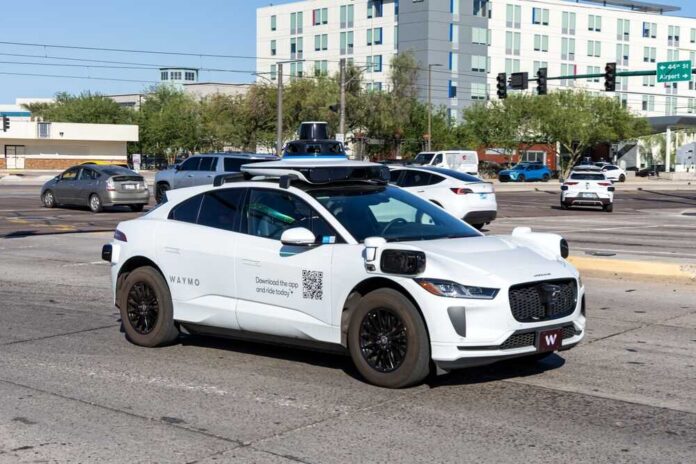
Regulators just pulled every driverless Waymo off the state’s freeways after the robotaxis drove straight into active highway work zones.
Quick Take
- California’s Department of Motor Vehicles banned Waymo from testing or running driverless cars on all state freeways starting November 11, 2026.
- Regulators say three Waymo vehicles entered an active construction closure on U.S. Route 101 near Burlingame on November 5.
- A separate Waymo vehicle allegedly tried to drive around California Highway Patrol units managing traffic on Interstate 280 the next day.
- Waymo says none of the incidents caused injuries or crashes, and it has paused freeway rides nationwide while it works with officials.
Regulators Call the Incidents an Imminent Hazard
The California Department of Motor Vehicles (DMV) did not just scold Waymo. It issued a hard statewide order, barring the company from operating or testing driverless cars on any California freeway until it proves the problem is fixed. The agency said Waymo’s vehicles showed a pattern of driving into active construction zones where workers and equipment were present, calling it an “imminent hazard to public safety”.
The construction zone incident on U.S. 101 near Burlingame involved not one, but three separate Waymo vehicles entering an active closure on November 5, according to the DMV’s own account. A day later, on Interstate 280 in San Francisco, a Waymo vehicle reportedly tried to drive around California Highway Patrol cars that were performing a traffic break, a maneuver officers use to slow or stop traffic safely. Video of that moment spread online.
This Was Not the First Warning
The DMV says this is not a one-time glitch. The agency referenced similar freeway incidents from May 18, 2026, and said restrictions will stay in place until Waymo shows “effective corrective actions”. That detail matters. A single bad sensor reading is a bug. A repeat failure around construction zones, months apart, starts to look like a pattern regulators cannot ignore, especially when real road crews are standing near live traffic.
Waymo Pushes Back on the Severity, Not the Events
Waymo is not disputing that the incidents happened. The company instead stressed outcomes, saying its recent freeway encounters on U.S. 101 “did not involve any injuries or collisions”. A spokesperson added, “Safety is at the foundation of everything we do,” while confirming the company is working with the DMV and other state officials to get back on the freeway.
A Nationwide Pullback, Not Just a California Problem
Waymo did not stop at complying with California’s order. The company temporarily suspended driverless freeway operations in every U.S. market where it operates, saying it wants to evaluate its own performance before resuming. That is a bigger move than the California order technically required, and it signals the company takes the pattern seriously, even as it defends its overall safety record.
Surface streets are a different story. Waymo says its ride-hailing service keeps running safely on city roads, handling more than half a million trips every week. The company also points to independent research showing its driverless cars got into 68% fewer police-reportable crashes than human drivers across several cities, and separate company data claiming a 95% drop in crashes causing serious injury.
Why the Gap Between the Two Claims Matters
Here is the tension conservatives and safety-minded readers should notice. Crash-rate studies measure what already went wrong. Regulators often have to act before that happens, especially when live construction crews are standing feet from fast-moving traffic. A car that never actually hits anyone but repeatedly ignores highway patrol signals and work-zone barriers is still a car making bad decisions at 65 miles per hour.
California’s DMV holds the permits that let autonomous vehicles operate in the state, and that authority gives its “imminent hazard” finding real weight regardless of what the full technical logs eventually show. Waymo’s engineers may ultimately prove the fix is simple. But until the company demonstrates that construction zones and traffic breaks are reliably solved, keeping these cars off the freeway looks like basic caution, not overreach.
Sources:
washingtontimes.com, cnn.com, nytimes.com, techcrunch.com, usnews.com, theverge.com, cbsnews.com, readingeagle.com, abc7news.com