
A rare but ruthless coastal bacteria turned ordinary Gulf Coast summer days into sudden life-or-death battles.
Story Snapshot
- At least seven people died after Vibrio vulnificus infections along Gulf Coast waters.
- Health officials link the surge to warm, brackish seawater and raw shellfish exposure.
- The bacteria can destroy tissue and overwhelm the bloodstream in a matter of hours.
- Older adults and people with health problems face the highest risk from this fast-moving threat.
Deadly infections turn routine coastal outings into emergencies
State health departments along the Gulf Coast reported a sharp rise in severe Vibrio vulnificus infections, with at least seven deaths tied to coastal exposure in Florida and Louisiana alone.
Officials described people who went fishing, swimming, or ate local oysters and, within a day or two, landed in intensive care with massive tissue damage and organ failure. For many residents, this was not a dramatic movie plot. It was an ordinary afternoon that suddenly became their last.
Five people in Louisiana have died from a flesh-eating bacteria found in warm coastal water.
All nine cases this year shared one thing: a wound exposed to seawater.
And it doesn’t take a major cut. A scrape or piercing can be enough.
👇https://t.co/anNSB26SFP— Epoch Health (@epochhealth) August 10, 2026
Louisiana health leaders warned residents after recording infections and deaths far above their usual yearly average. Florida officials reported multiple fatal cases as well and confirmed that the bacteria was active in warm coastal and inland brackish waters where salt and fresh water mix.
Families who trusted the water they had enjoyed for years now faced a basic question: how do you enjoy the coast without gambling with something that can kill you in days?
What flesh-eating bacteria actually does inside the body
Vibrio vulnificus is a bacteria that lives naturally in warm, brackish seawater and can invade the body through even a small cut or scrape. Once inside, it can cause necrotizing fasciitis, which means it destroys skin and soft tissue so fast doctors sometimes watch healthy flesh die over hours, not days.
The same infection can enter the bloodstream, leading to septic shock where blood pressure crashes and organs shut down one after another.
Medical research shows this infection kills about one in five people who develop severe disease, even with modern antibiotics and intensive care. That death rate climbs much higher for people with liver disease, diabetes, or weak immune systems, which are all more common among older adults.
This combination of speed, tissue damage, and high death risk is why doctors and health agencies use plain, blunt language: this germ is rare, but when it hits the wrong person, it is ruthless.
Warm water, storm runoff, and the Gulf Coast risk pattern
Scientists and health officials agree that Vibrio vulnificus thrives when water is both warm and slightly salty, the exact mix found in many Gulf Coast bays and estuaries from late spring through early fall.
Heat speeds up bacterial growth, while storm runoff and river water lower salinity into the favored range where this germ multiplies the fastest. That means the same conditions that make the coast feel great for swimmers and boaters also quietly turn it into prime habitat for a dangerous microbe.
Studies of past years show infection risk climbs between May and October and rises even more after major storms, when flooding pushes bacteria closer to shorelines and docks.
One National Institutes of Health review linked spikes in cases and deaths to hurricane seasons and periods of record warm sea surface temperatures along Southern coasts.
For Gulf Coast residents, especially older ones, the pattern is simple but hard to ignore: as the water warms, the margin for error with open wounds and raw oysters shrinks.
Who faces the highest danger and how to lower it
Public health guidance from the Centers for Disease Control and Prevention urges people with cuts, scrapes, or surgical wounds to avoid letting them touch warm coastal or brackish water.
The same advisory warns clinicians to suspect Vibrio vulnificus when a wound infection follows recent time at a beach, bay, or dock, because early treatment can be the line between saving a limb and losing a life.
Those warnings focus strongly on older adults and people with chronic liver problems, since many of the Gulf deaths occurred in that group.
Flesh-Eating Bacteria Outbreak: 5 Dead in Louisiana as Gulf Coast Sounds Alarm pic.twitter.com/oWPttH8bTv
— Jessica Lee (@Global1Newz) August 10, 2026
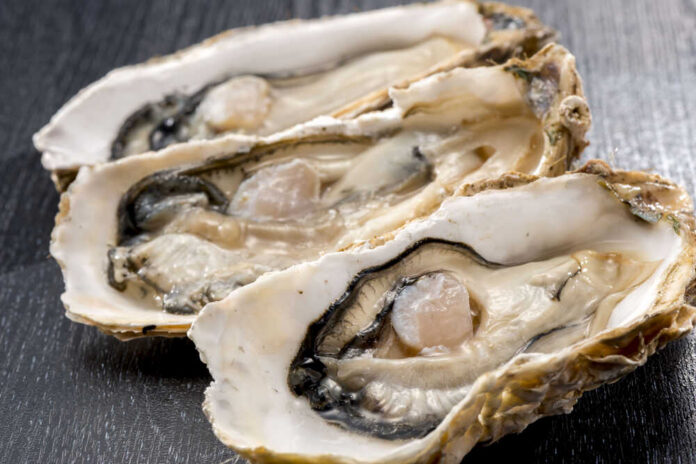
Health agencies also stress the risk from raw or undercooked shellfish, especially oysters, which can carry high levels of the bacteria even when they look, smell, and taste normal. Cooking oysters fully and avoiding raw seafood plates in peak summer months cuts that foodborne risk sharply.
Media fear, local judgment, and living with a seasonal killer
Headlines about “flesh-eating bacteria” can swing between helpful warning and sheer panic, sometimes blurring the line between rare deadly events and routine beach days that end with nothing worse than sunburn.
The label is dramatic, but the underlying facts are clear: the Gulf Coast sees dozens of Vibrio vulnificus infections most years, and a small but real share end in death. Louisiana’s surge and Florida’s deaths fit that pattern rather than a science fiction scenario.
For Gulf residents and summer visitors, the balance comes down to informed judgment. You do not need to fear every wave or oyster, but you should treat warm, murky water like you treat a busy highway: respect it, understand the rules, and never assume you are immune because you have crossed it safely before.
The bacteria is not new, the science is not shaky, and the choice is personal. An open wound in August can be either a minor nuisance or the start of a story your family never forgets.
Sources:
cbsnews.com, time.com, abcnews.go.com, medscape.com, beckershospitalreview.com, washingtontimes.com, yahoo.com, ohioafp.org, essentialhospitals.org, medicalxpress.com, youtube.com, pmc.ncbi.nlm.nih.gov, nytimes.com