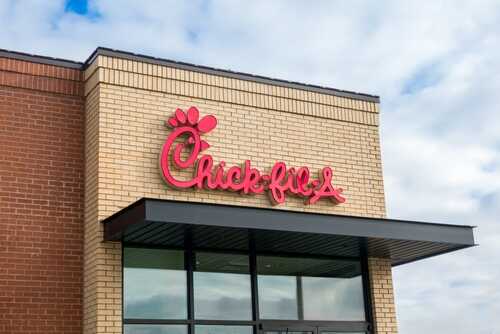
Chick-fil-A just opened a restaurant in Miami where you cannot walk in, sit down, or even place an order at the counter—yet it might be a preview of how a lot of your food will arrive in the future.
Story Snapshot
- Chick-fil-A’s new Wynwood “ghost kitchen” is delivery-only, with no dining room or walk-up counter.[3][5]
- This is the company’s first delivery kitchen in Florida and the sixth of its kind in the United States.[3][2][5]
- The kitchen is part of the CloudKitchens network and fulfills app orders across Miami from 10:30 a.m. to midnight.[3][2]
- Chick-fil-A claims faster, more convenient delivery, but there is no public proof yet on jobs or real efficiency.[3][2][5]
Chick-fil-A opens a restaurant you cannot eat in
Chick-fil-A has opened a delivery-only “ghost kitchen” in Miami’s artsy Wynwood neighborhood, and customers are never meant to step inside.[2][3] The Wynwood Delivery site at 1900 Northeast Miami Court does not have a dining room, a drive-thru lane, or front-counter staff.[2][5]
The entire space exists to cook Chick-fil-A favorites and hand them off to delivery drivers, mainly via third-party apps already on your phone.[2][3]
Chick-fil-A has opened its first delivery-only "ghost kitchen" in Florida, launching the Chick-fil-A Wynwood Delivery location on June 2 within the CloudKitchens network in Miami's Wynwood neighborhood — the chain's sixth such facility in the country. https://t.co/uTdJurmA2A
— The Washington Times (@WashTimes) June 9, 2026
The company calls Wynwood its first “delivery kitchen” in Florida and just the sixth restaurant of this kind in the country.[3][2] It sits inside the CloudKitchens network, a system of shared cooking spaces built specifically for delivery-only brands.[3]
Chick-fil-A says the new unit will operate Monday through Saturday from 10:30 a.m. to midnight, matching its usual no-Sunday schedule while extending late-night delivery hours.[3][2]
What a ghost kitchen really changes for your order
Ghost kitchens flip the old model: instead of a public restaurant that also does delivery, you get a closed kitchen that only serves delivery orders.[2] Food leaves through a back door, never a front counter.
Chick-fil-A says its delivery kitchens meet the same standards as regular stores and focus on speed and convenience for app customers.[3][5]
That message aligns with the broader pitch for ghost kitchens across the industry: lower overhead, more delivery, faster reach into hot neighborhoods.[5][2]
For Wynwood, that means core Chick-fil-A menu items, including those famous chicken sandwiches and nuggets, run through a streamlined line with no dine-in delays.[2][3]
Reports say the breakfast menu is more limited than at a typical Chick-fil-A, but popular Chick-N-Minis are available all day, which will matter to fans who treat them as snack food.[2]
From a customer’s phone, the experience looks simple: tap the app, place the order, and wait for a driver, never knowing your food came from a shared delivery hub.
Jobs, efficiency, and the conservative question of value
Chick-fil-A frames these delivery kitchens as a way to “meet guests where they are” while keeping the company’s well-known hospitality and creating local opportunities.[3][5]
The Wynwood site has a named local owner-operator, Thomas Overby, who already runs another Chick-fil-A in the area, which fits the chain’s model of local stewardship and accountability.[3][5]
That structure usually aligns with conservative values: local ownership, service, and a private company risks testing new business models without a taxpayer subsidy.
Chick-fil-A's Wynwood Delivery ghost kitchen in Miami opened June 2 — delivery-only, Chick-N-Minis ALL day, 6th location like this in the US. Ghost kitchens are making a comeback. https://t.co/1RuJIXct1x pic.twitter.com/XladbSsq70
— FellIntoFood (@FellIntoFood) June 9, 2026
The open question is whether this format truly creates more good jobs or simply shifts them out of sight. Chick-fil-A has not released headcount, wage details, or comparisons to a full-service store, and no independent data yet checks claims about faster service or better efficiency.[3][2][5]
This suggests that a building with no dining room and fewer customer-facing staff likely runs more leanly, which can be smart business but might mean fewer entry-level roles on site.[5]
What this Miami test tells us about the future of eating out
The Wynwood ghost kitchen fits a broader pattern that began long before this launch: online ordering keeps rising, and companies design spaces around screens instead of seats.[2][5]
For a busy Miami resident, a delivery-only Chick-fil-A may feel like progress—less traffic, no parking hunt, food at the door in under an hour.
But a city full of invisible kitchens and anonymous drivers can also chip away at the sense of community many people still want in local restaurants.[2]
Chick-fil-A’s move into CloudKitchens space also shows how large brands now rely on behind-the-scenes partners to chase delivery demand.[3][5] That can cut costs and allow for faster entry into trendy neighborhoods, but it also hides more of the business within private contracts and closed facilities.
From this view, one thing is clear: markets should be free to test models like ghost kitchens, but citizens should demand honest numbers on jobs, service, and local impact before declaring this ghost the future.
Sources:
[2] Web – Chick-fil-A opens ‘ghost kitchen’ for Florida deliveries. Here’s where
[3] Web – Chick-fil-A opens first Florida ghost kitchen for delivery-only orders
[5] Web – Miami Welcomes First Chick-fil-A Delivery Kitchen Restaurant