
Cracker Barrel just walked away from a once‑hyped biscuit bet, selling Maple Street Biscuit Company and shuttering 16 locations to clean up its balance sheet and refocus on its core brand.
Story Snapshot
- Cracker Barrel sold the Maple Street Biscuit Company brand and assets tied to 35 restaurants to Biscuit Belly
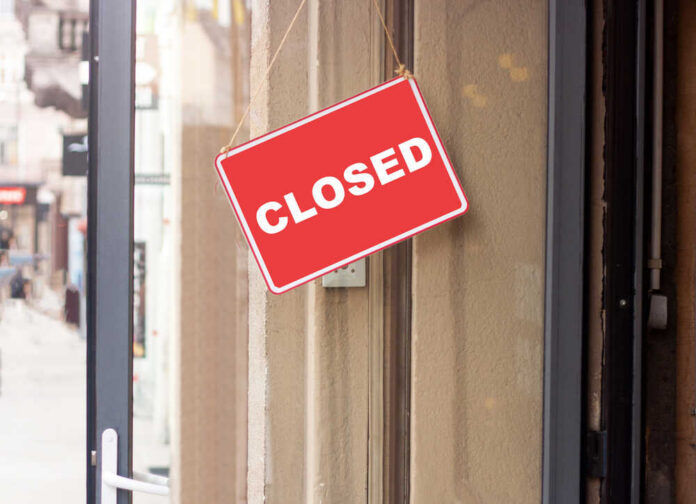
- Sixteen remaining Maple Street locations are closing as Cracker Barrel exits the fast casual breakfast space
- The sale pairs with a $77 million real estate deal aimed at paying down debt and boosting profit outlook
- The move caps a six‑year experiment that began with a $36 million acquisition and later waves of closures
Cracker Barrel ends its Maple Street experiment
Cracker Barrel Old Country Store is officially out of the fast casual breakfast game. The company announced it sold the Maple Street Biscuit Company trademark, intellectual property, and assets tied to 35 restaurants to Biscuit Belly, a growing biscuit sandwich chain.
Cracker Barrel will close the remaining 16 Maple Street locations, fully exiting the brand that once looked like its next growth engine. The company describes the move as a way to sharpen its focus on its core Cracker Barrel restaurants and improve its finances.
The sale marks the end of a short but intense chapter. Cracker Barrel bought Maple Street Biscuit Company in 2019 for $36 million in cash, betting that a smaller, faster concept could bring in younger, urban customers.
At the time, Maple Street had fewer than 40 locations, and Cracker Barrel talked about expanding the brand to drive shareholder value. Instead of becoming a second pillar, Maple Street wound up representing less than 2 percent of Cracker Barrel’s annual revenue, making it easy to cut loose when times got tougher.
From growth story to waves of closures
The exit did not come out of nowhere. Cracker Barrel had already started trimming Maple Street’s footprint well before the sale. In September 2025, the company closed 14 Maple Street locations that “simply didn’t meet our financial expectations,” and thanked customers as those stores went dark.
After that round of closures, just over 50 Maple Street restaurants remained. By mid‑2026, after more cuts, Maple Street stood at 51 locations, down 19 since the spring of 2025. That shrinking footprint showed the concept was struggling to deliver the returns Cracker Barrel wanted.
That pattern fits a familiar corporate script. Companies often talk about “focusing on the core” when they unwind side bets that did not pan out. Here, Cracker Barrel paired the Maple Street sale with frank language about underperformance and the need to improve profitability.
The company did what many small business owners do when a branch operation underperforms: cut the losses, sell what has value, and put time and money back into the main business. The Maple Street story is less about villains and more about unit economics that never fully worked.
Cracker Barrel is saying goodbye to one of its brands https://t.co/noZBlJE4Nm
— IndyStar (@indystar) July 22, 2026
Debt reduction and a cleaner balance sheet
The Maple Street sale is part of a broader effort to reduce debt and steady the ship. Alongside the divestiture, Cracker Barrel completed a sale‑leaseback deal for 26 of its own restaurant properties, bringing in roughly $77 million in net proceeds. The company will keep running the restaurants but now leases the buildings instead of owning them.
Cracker Barrel says it will use that cash to pay down debt while still meeting revenue goals. This is classic financial housekeeping: turn bricks and mortar into cash, then use that cash to strengthen the balance sheet.
These moves come after a stretch of weaker traffic and brand headaches, including backlash over a logo change that upset some longtime guests. Many investors have pushed Cracker Barrel to simplify, cut costs, and stop chasing side projects. Exiting Maple Street and unlocking real estate value line up with that pressure.
What happens to Maple Street and Biscuit Belly
The end of Cracker Barrel’s ownership does not mean Maple Street’s locations vanish overnight. Biscuit Belly, based in Louisville, Kentucky, is taking over the assets tied to 35 Maple Street restaurants and plans to convert them to its own brand over the next 18 to 24 months.
Biscuit Belly portrays the deal as a growth accelerator, saying the acquisition will help it expand across the Southeast and reach more than 60 units by the end of 2028. For Maple Street fans, the biscuits may change, but many of the addresses will stay in breakfast service.
Cracker Barrel Completes $77 Million Sale-Leaseback And Divests Maple Street Biscuit Company: Cracker Barrel has completed a sale-leaseback transaction involving 26 company-owned restaurant properties and divested certain assets of its Maple Street… https://t.co/DusNIiDK8b pic.twitter.com/UwcMlABcPH
— Pulse 2.0 (@pulse2news) July 21, 2026
The 16 Maple Street locations that are not part of the Biscuit Belly deal will close. Cracker Barrel expects non‑cash charges of $37 million to $39 million in the current quarter related to the Maple Street exit, plus $6 million to $8 million in cash costs tied to severance, lease terminations, and other shutdown expenses.
Those are real numbers, but company leaders and analysts still see the divestiture and real estate deal as net positives, helping Cracker Barrel raise its profit outlook for fiscal 2026.
The company is betting that fewer brands, less debt, and a tighter focus on its core roadside restaurants will matter more than owning a trendy biscuit chain ever did.
Sources:
foxbusiness.com, finance.yahoo.com, restaurantdive.com, wsj.com, qz.com, independent.co.uk, prnewswire.com, usatoday.com, builttosell.com, bassberry.com