
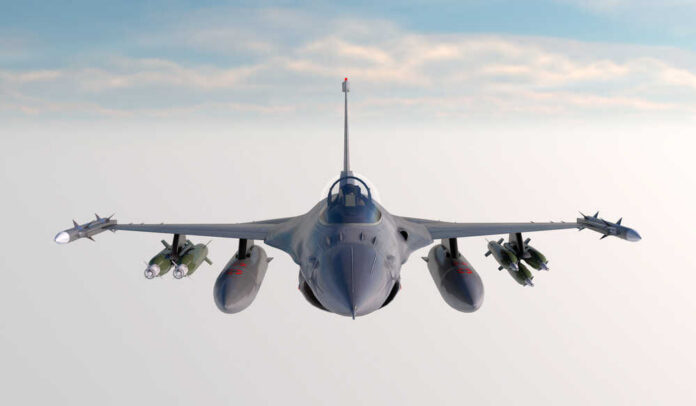
F-16 fighter jets rushed to Cincinnati’s sky and steered a stray plane out as President Trump spoke nearby.
Story Snapshot
- NORAD said F-16s intercepted a general-aviation plane over Cincinnati during Trump’s rally window.
- The pilot was escorted out of restricted airspace without force or injury, then the area returned to normal.
- Temporary flight restrictions often trigger similar intercepts near presidential events; most end calmly.
- Officials say violators can face a federal visit on landing, fines, or license action, depending on intent.
F-16s Respond As A Plane Enters Restricted Airspace
North American Aerospace Defense Command reported that F-16 fighter jets intercepted a general-aviation aircraft that drifted into restricted airspace above Cincinnati on Saturday while President Trump spoke at a rally across the river in northern Kentucky. The response occurred in the middle of the rally window. The jets made visual contact and guided the pilot clear. No weapons were used. The aircraft left the restricted zone, and officials reported no injuries or damage.
North American Aerospace Defense Command described the event as a standard homeland defense action. Controllers detected a violation of the temporary flight restriction, scrambled fighters, and restored the bubble around the venue. The timeline aligns with common practice that places a tight cylinder of protected airspace around the president. The reported outcome mirrors many recent cases where quick intercepts and clear radio calls fix pilot mistakes before they become threats.
Why Temporary Flight Restrictions Catch Pilots Off Guard
Temporary flight restrictions act like pop-up no-go zones. They protect large events, disasters, and presidential movements. The Federal Aviation Administration publishes these restrictions in notices to air missions. Pilots must check them before every flight. The weak link is human routine. Some weekend pilots rely on old habits or outdated briefings. That is when a short hop can turn into a loud wake-up call from a gray jet pulling alongside at 400 knots.
North American Aerospace Defense Command records show this is not rare. Intercepts have occurred around Palm Beach golf weekends, New Jersey tournament days, and even small-town stops. In one stretch, more than ten aircraft entered restricted airspace on a single New Jersey day, with several needing direct fighter escorts. The pattern is clear: most incursions are careless, not malicious, and they end with a safe escort and a stern chat on the ramp.
How An Intercept Unfolds, Step By Step
Detection starts with radar and radio. Controllers try to hail the pilot on standard frequencies. If the aircraft keeps course, the alert order launches fighters. The jets join up, rock wings, and show signs every pilot learns in training. If the pilot still does not respond, the fighters may use flares to get attention. The goal is compliance, not conflict. In Cincinnati, the pilot followed guidance, exited the ring, and the fighters returned to station.
Military fighter jets intercepted a plane flying through restricted airspace over Cincinnati, Ohio, while President Trump was speaking at a nearby rally in Kentucky. https://t.co/FOKFoy5mdj
— CBS News (@CBSNews) October 19, 2026
Consequences come after the landing. Pilots who violate a presidential temporary flight restriction can expect a meet-up with federal agents and aviation inspectors. Penalties can include fines or certificate action, especially if the briefing was sloppy or the radio was off. That approach makes sense to anyone who values order and equal rules. The airspace is published. The president is a known protectee. Personal responsibility in the cockpit is the minimum standard.
What This Incident Says About Security Readiness
The swift Cincinnati intercept shows the homeland defense system did its job: detect, decide, respond, and de-escalate. The fighters created space and time so that law enforcement could sort out intent later. That layered approach is the right balance of strength and restraint. It protects a national leader and a crowd without turning a mistake into a crisis. The broader record shows this model working again and again at different venues and seasons.