

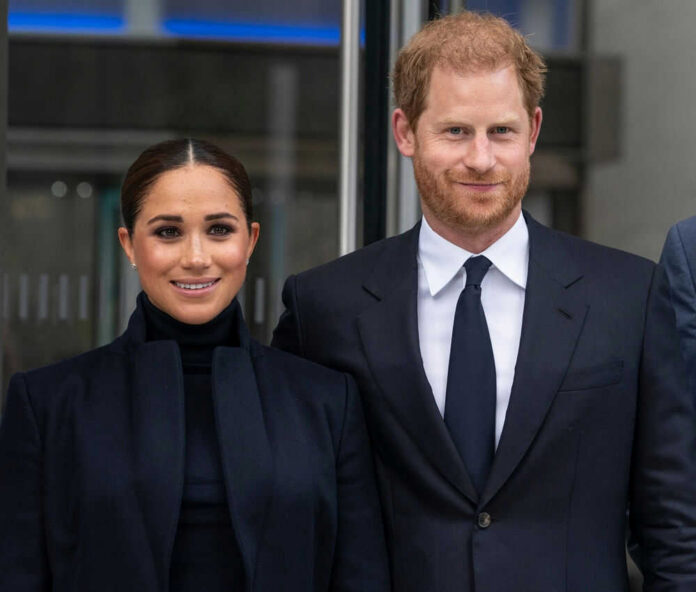
Prince Harry and Meghan will base their family in Britain this fall without returning to royal work, resetting a delicate balance between home, duty, and security.
Story Snapshot
- Harry and Meghan plan an extended stay in the United Kingdom starting this fall.
- They will not resume roles as working royals during the stay.
- Their children will join them, marking their first long stretch in Britain together since 2020.
- Security and housing logistics frame what this return can and cannot be.
What Is Happening And Why It Matters Now
It was reported that the couple decided to return to the United Kingdom for an extended stay beginning in the fall while remaining non-working royals. That detail matters more than the move itself. A long stay without royal duties signals a personal reset, not an institutional one.
It places family and schooling first while holding firm to their post-2020 status. It also keeps the spotlight on the same hard limit they have faced since stepping back in 2020: state protection does not come by default.
Respected British outlets have tracked the family’s housing and visit arrangements in recent months, including accepted offers to use royal residences for parts of prior trips. Those stays do not make them working royals or automatically grant privileges.
They are case-by-case, practical steps that let children see grandparents and cousins on familiar ground. The signal to readers is simple: this return centers family routines, not a palace calendar.
The Security Boundary That Shapes Everything
Courts and ministries have set the rules that now define any Sussex stay in Britain. After 2020, a government committee set police protection for the couple on a case-by-case basis rather than as a right, a position upheld through multiple legal challenges.
This means every trip runs through risk assessments and logistics, not tradition. Harry has said he wants his children to feel at home in the United Kingdom, but only if he believes they can be kept safe, a point read into the court record.
That security landscape explains why headlines about their trips often shift as dates near. Plans flex to match venue, crowd size, and the presence of the children. Housing also follows a clear logic.
The National Audit Office has outlined how royal properties are allocated and priced for non-working royals, which supports the idea that any residence they use in Britain is subject to established, non-political rules.
What Extended Stay Really Means For The Monarchy
This is not a soft re-entry into royal service. It is a family choosing to live close to grandparents and schools while keeping their own work separate. That choice reframes a noisy debate into practical life. Children benefit from roots in both countries.
Grandparents see their grandkids more often. The Crown avoids blurring lines on who represents it and who does not. That clarity supports public trust and fair treatment of working royals who carry official duties.
Prince Harry and his wife Meghan are reportedly planning to return to the UK this month.
The couple moved to the US six years ago after stepping back from royal duties.
The visit would mark a notable return after years away from Britain. pic.twitter.com/AE6QndpDU6— HG Policy (@hgpolicy) August 20, 2026
Expect renewed interest in how engagements appear in public. If you see them at a charity or a veterans’ event, assume it is private support unless a palace court circular says otherwise. If you see them at a royal residence, assume it is family time unless the palace says they are on duty.
That split keeps taxpayers from funding what is unofficial and leaves the couple free to build their own projects.
Sources:
apnews.com, npr.org, nypost.com, bbc.com, youtube.com, cnn.com