
A 24-year-old runner collapsed near mile 24 of the New York City Marathon and died hours later, focusing attention on rhabdomyolysis and how extreme exertion can turn lethal for even the young and fit.
Story Snapshot
- Rachel Apa collapsed in Central Park two miles from the finish and later died.
- Race medical staff and a bystander gave CPR and used a defibrillator before transport.
- Her father said rhabdomyolysis, a severe muscle breakdown, caused her death.
- Officials had not released a final medical determination at the time of reports.
What happened on race day
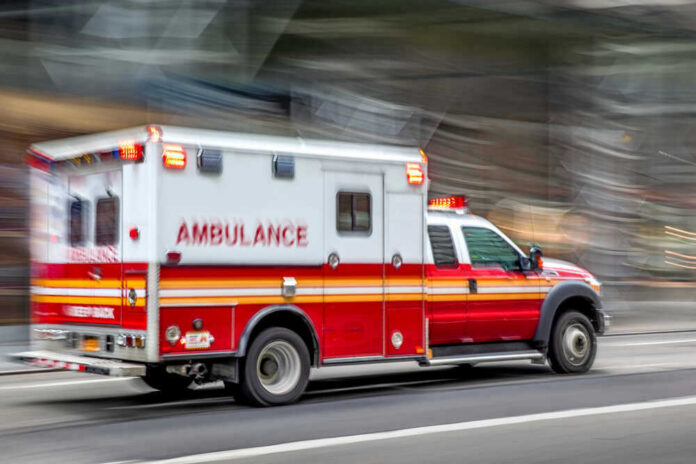
New York Police Department officials told the Associated Press that Rachel Apa collapsed as she neared the 24-mile mark in Central Park. A bystander started cardiopulmonary resuscitation. Race medical staff arrived, took over care, and used a defibrillator. An ambulance brought her to a Mount Sinai hospital, where she died after further treatment later that day. New York Road Runners, the race organizer, confirmed the emergency response and expressed condolences to her family and the running community.
24-year-old Rachel Apa dies after collapsing in Central Park just two miles from completing the New York City Marathon.
Her parents say they were tracking her on the marathon tracking app when she stopped moving at Mile 24.
"Final stretch," her father texted her at Mile 23,… pic.twitter.com/bK8aGNWXjm
— Collin Rugg (@CollinRugg) November 3, 2026
Family messages described rising pain before the collapse. Reporting cited texts Rachel sent earlier in the race that read “Ow” and “Ow ow” as her discomfort grew. She was running her first marathon and had reached the late miles when the emergency occurred. Multiple outlets placed the incident near mile 24, roughly two miles from the finish line in Central Park, where the course tightens and the crowds grow thick.
Rhabdomyolysis explained in plain terms
Rachel’s father told reporters that his daughter died from rhabdomyolysis. This condition happens when damaged muscle breaks down fast and floods the blood with proteins and electrolytes. One protein, myoglobin, can clog the kidneys. Potassium can spike and trigger dangerous heart rhythms. Signs can include severe muscle pain, weakness, swelling, dark urine, and cramping. Hard exertion, heat, dehydration, and some drugs or supplements can raise risk. Early treatment needs large volumes of fluids and quick monitoring.
Exertional rhabdomyolysis has appeared in soldiers during intense training, athletes pushing in heat, and people unaccustomed to long efforts. Marathon runners can face a perfect storm late in the race: muscle fatigue, electrolyte shifts, and sometimes rising temperature. Most cases do not become deadly, but delayed care or very rapid breakdown can overwhelm the body. Emergency teams look for kidney stress, abnormal heart rhythms, and very high creatine kinase levels, a marker of muscle injury.
What is known, and what it does not mean
Officials had not issued a final cause of death when the early reports ran. That means the chief medical examiner had not released a formal ruling. The father’s account guided the first description of rhabdomyolysis in this case. The emergency timeline remains clear: collapse, bystander aid, race medical intervention, ambulance transfer, and death at the hospital the same day. Those steps match standard marathon protocols and show how fast responders acted when seconds mattered.
People may wonder if marathons are broadly unsafe. Large studies show fatal events in marathons are rare, and most deaths linked to races involve sudden cardiac events, not rhabdomyolysis. One review of more than 3.29 million marathon participants found 26 sudden cardiac deaths, about 0.8 per 100,000 runners. Another major study placed sudden death during long-distance races at roughly 0.39 per 100,000. The risk is real but very low, especially for women.
How runners and organizers can lower the risk
Runners can respect heat, pace, and fueling. Build mileage slowly, train in similar conditions, and practice a race-day plan. Drink to thirst, not by a rigid clock, to avoid both dehydration and overhydration. Learn the red flags: severe or spreading muscle pain, cramps that do not ease, confusion, dizziness, and cola-colored urine. If those appear, slow down or stop and seek help. No personal best is worth a serious medical hit. Coaches and families should back that choice.
Race organizers can keep strengthening late-mile medical coverage. Strategic aid stations, rapid cart access, ice, cooling tents, and electrolyte testing help. Clear signs telling runners to report severe muscle pain or dark urine at medical tents can save lives. Many races already drill these steps. Data from big-city marathons show that trained staff, defibrillators, and fast transport stack the odds in runners’ favor when emergencies occur.
Sources:
abcnews.com, apnews.com, cbsnews.com, runnersworld.com, bbc.co.uk, sports.yahoo.com, pmc.ncbi.nlm.nih.gov, tandfonline.com