

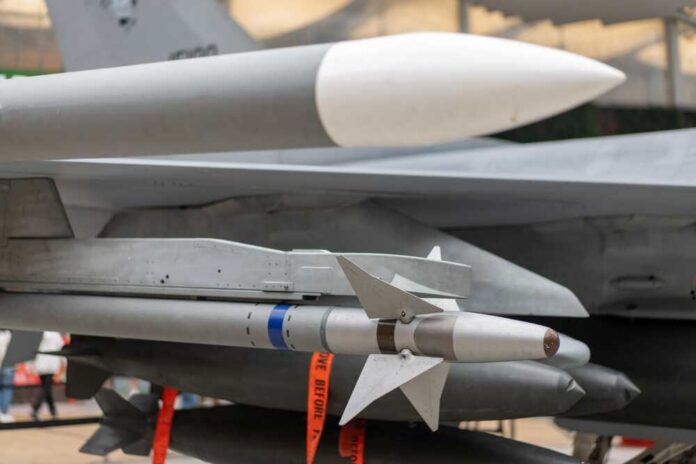
Two officials say Patriot interceptor stocks in Europe are “beyond critical,” and the fight over that warning tells us as much as the numbers do.
Story Snapshot
- Associated Press quoted U.S. and NATO officials warning of a “beyond critical” Patriot shortage in Europe.
- NATO publicly pushed back, saying the claim is “simply not the case”.
- Missile use in the Iran war and transfers to Ukraine stressed global stocks.
- Production and planned buys are in place, but the near-term window remains tight.
What officials warned, and who disagrees
It was reported that a Europe-based U.S. defense official and a NATO official said Patriot interceptor stocks in Europe are “beyond critical,” linking the strain to the war in Iran and warning about Russian ballistic threats.
The same report quoted a NATO spokesman who flatly rejected that view as “simply not the case,” and a Pentagon spokesman who called broad shortage claims “false”. The clash is not over whether stocks are tight. It is over whether Europe faces a present, serious gap.
Several European countries sent Patriot supplies to Ukraine, while inventories in Gulf states also ran low, squeezing the system worldwide.
Ukraine received only a third of the air-defense missiles it had received the year before, a data point that signals real scarcity among donors. The effect in Europe is hard to measure in public, but the demand picture points one way: more interceptors leaving shelves than arriving.
How the Iran war pulled interceptors from Europe
An earlier announcement said U.S. and NATO air-defense assets, including Patriot missiles, shifted from Europe toward the Middle East as the Iran conflict escalated.
A separate account cited an estimate that about sixty-five percent of Patriot interceptors were expended from February to July during the Iran campaign.
Those numbers, if right, show a steep burn rate. Moving batteries and firing so many interceptors both drain the bench that Europe counts on if Russia tests the skies.
The charge that President Trump’s Iran war “largely” drove the crisis depends on how much of the depletion that war caused versus Ukraine transfers or training use. The public record does not split the shares cleanly. That gap matters for blame, but it does not change the fact pattern that use rose faster than production.
Production, procurement, and the clock
NATO announced in 2024 that allies would buy up to 1,000 Patriot missiles through its procurement agency, a serious effort to refill stocks. That is the right move. It still runs into time and industry limits. Building advanced interceptors takes complex parts, skilled labor, and quality checks that do not bend to speeches.
A tough window opens when war use spikes and deliveries lag by quarters or years. Leaders must bridge that gap with smart allocation and surge contracts now.
NATO’s public denial deserves weight, but it does not erase other facts. Interceptors have been rationed to Ukraine. Stocks in the Gulf dipped. Europe shifted some missiles out. Those threads point to strain even if “beyond critical” overstates it.
From this lens, the fix is not panic or politics. The fix is capacity: more production at home, tighter spending discipline in combat, and clear rules for what stays in Europe until industry catches up.
Iran War Updates: U.S. Patriot missile stocks in Europe are 'beyond critical' due to Iran war, officials say https://t.co/PqHKPtkvWJ
— CBS News (@CBSNews) August 27, 2026
What readiness should look like tomorrow morning
Commanders plan for the first twenty-four hours of a surprise strike. That is where interceptors matter most. Europe needs on-hand cartridges for a Russian ballistic raid plus reloads for a second wave. That requirement should be the floor, not the goal.
If a named NATO spokesman says the alliance can “block punches,” then officials should welcome a limited release of stock bands, surge targets, and delivery timelines that support that claim without exposing secrets.
Congress and parliaments should demand three things fast. First, a joint U.S.–NATO readiness snapshot that states today’s on-hand levels against a defined surge need in Europe.
Second, a synchronized delivery schedule that ties factory output to quarter-by-quarter fills. Third, a wartime allocation rule that prevents robbing one theater to pay another without a clear backfill date. That is not drama. That is how adults run a magazine in a gunfight.
Bottom line for voters and taxpayers
Missiles you do not have cannot defend the power grid, the air base, or the convoy rolling at night. The Associated Press report raised a hard flag. NATO pushed back on the label. Both can be partly true at once: stocks are tight, and defenses still stand.
The path forward is simple, if not easy: buy more, build faster, spend wiser, and show enough data to earn trust. The clock is running, and deterrence keeps time by the magazine, not the press release.
Sources:
apnews.com, militarnyi.com, reuters.com, blackwire.world