
Oil snapped above $90 because a fight at the world’s narrowest energy chokepoint just got real.
Story Snapshot
- U.S. forces hit two Iranian launchers on Larak Island tied to sea mine threats.
- Commanders called it a limited defensive strike to protect shipping.
- Brent crude jumped more than 3% as traders priced fresh risk.
- Iran’s Guards vowed payback and claimed casualties, without a toll.
The strike that jolted the oil market
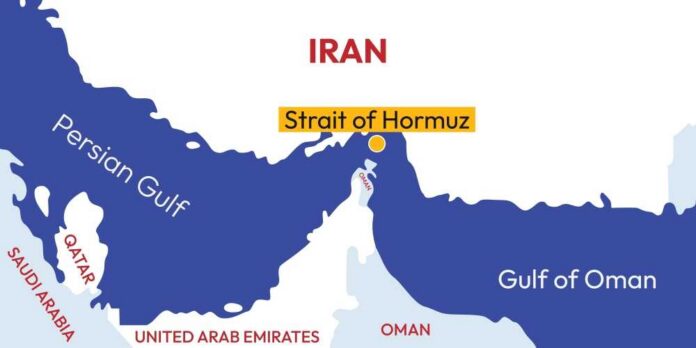
U.S. Central Command said American forces struck two Iranian launchers on Larak Island near the Strait of Hormuz. A spokesperson said Islamic Revolutionary Guard Corps units were preparing to launch rockets equipped with sea mines into the waterway.
The command framed the action as targeted and time-sensitive. The stated goal was to shield civilian mariners and keep global commerce moving through one of the world’s busiest lanes. A “limited, precise” label aims to stop panic while warning off new threats.
Oil did not wait for the lawyers to weigh in. Brent crude shot past $90 a barrel as traders rushed to price a higher risk of disruption.
Futures rose more than 3% within hours of headlines, reflecting fear that any damage or delay in the strait can ripple through supply chains and push up fuel costs worldwide. Markets know the math here: when risk clusters at a chokepoint, premiums expand fast, and they shrink slower than they grow.
Why Hormuz still rules the risk premium
The Strait of Hormuz acts like the valve on a global pipeline. A large share of the world’s oil and fuel moves through this narrow cut of water. Tankers must pass within range of shore-based launchers and small craft.
Any hint of sea mines or rockets creates hard choices for captains and insurers. Even short interruptions can add days, reroutes, and higher insurance costs, which show up in pump prices and airfares. Traders learn that lesson every time tensions flare near this corridor.
Crude oil prices have risen above $90 per barrel after the United States and Iran resumed military strikes over the Strait of Hormuz, reviving concerns about disruptions to global oil supplies through the strategic waterway. https://t.co/97lMzRe9RG pic.twitter.com/OWiWHfCGJY
— Nairametrics (@Nairametrics) August 31, 2026
Central Command added one detail meant to calm nerves. The command said its forces had cleared sea mines from the strait’s main shipping routes in the days before the strike.
That claim signals preparation matched to the threat. It also suggests an intent to keep lanes open while reducing the need for broader combat. Clearing routes before hitting launchers fits a narrow defense playbook rather than a bid to widen the fight.
Competing claims and what stands on firm ground
Iran’s Revolutionary Guards said the U.S. attack killed and wounded fighters and civilians on Larak and vowed to respond, but did not provide a casualty count. Iran’s foreign ministry called the strike a violation of its sovereignty and framed later Iranian hits on U.S. sites as self-defense.
The U.S. account rests on clear, on-record claims by named officials and lines up with a core American duty: keep sea lanes open.
That aligns with common sense and principles of peace through strength. Protect ships. Deter mine threats early. Keep the action narrow and tied to defense.
The facts that matter most are not abstract legal notes. Did the strike aim to stop mines? Did it reduce risk to global traffic? The U.S. says yes, with a limited scope.
What to watch next: proof, passage, and prices
Evidence will decide how this story ages. Satellite photos, drone video, and shipping logs can show whether launchers on Larak posed an imminent mining risk. If those records appear, the defensive case hardens. If they stay sealed, critics will press the “preemptive” label.
Meanwhile, watch the water, not the words. Safe tanker transits and steady insurance rates point to control. Route delays, higher war-risk premiums, or new incidents point to rising danger—and higher crude prices.
Policy focus should stay simple and firm. Keep the strike zone narrow, the shipping channels clear, and the allies aligned on freedom of navigation. Avoid mission creep, but do not blink at mine warfare.
The surest way to calm oil is to prove the lanes are safe and stay that way. Traders will remove the risk premium when tankers move without drama. Until then, every blip near Hormuz writes a new line on your gas receipt.
Sources:
politico.com, reuters.com, time.com