
A fast-food chain just confirmed its store managers average more than $200,000 a year—and it is not a typo.
Story Snapshot
- In-N-Out says store managers average over $200,000 a year in pay.
- The figure outpaces typical fast-food management salaries by a wide margin.
- The company frames pay as part of a long-term invest-in-people model.
- Rivals have raised manager pay, but few touch this level.
In-N-Out puts a hard number on an eye-popping average
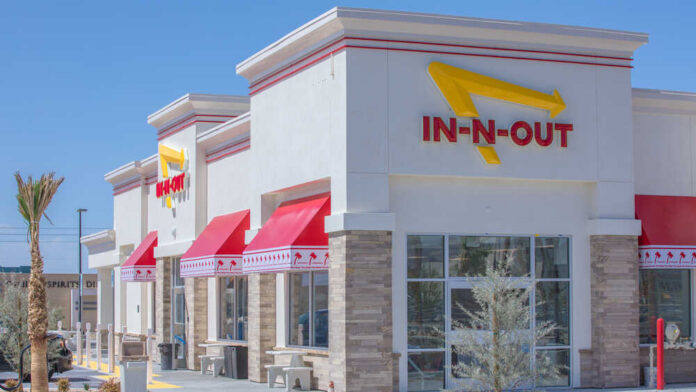
In-N-Out’s chief operating officer, Denny Warnick, said store managers at the burger chain earn more than $200,000 a year on average. He confirmed the number in a statement that framed pay as part of the company’s plan to invest in its workforce.
Many outlets repeated the figure after the company shared it with reporters, reinforcing how far above the rest of fast food this is. The dollar amount is large enough to make anyone ask how the model works—and whether others can match it.
News about fast-food pay usually involves small bumps or local laws. This claim is different. The figure dwarfs what most rivals pay their managers today. Even aggressive competitors have topped out below this mark. Raising Cane’s disclosed $175,000 for general managers in 2024.
Taco Bell and Chipotle hit six figures in some markets, but still trail In-N-Out’s level by a lot. That gap is the point: the chain wants top operators who will stick, train hard, and keep quality tight.
In-N-Out Burger managers now earn more than $200,000 a year, spokesperson says https://t.co/D9mYR3U9Fy
— Live5News (@Live5News) September 17, 2026
Why paying top dollar can be cheaper than turnover
Turnover bleeds cash. Replacing a manager costs money, time, and customer trust. In-N-Out’s approach buys the opposite. High pay aims to lock in long tenure, protect the culture, and keep stores humming.
Fewer hiring misses, steadier teams, and stronger training can drive better speed, lower waste, and fewer service errors. That shows up in traffic and lines that actually move. Competitive pay also attracts people who treat the job like a craft, not a stopover.
Every dollar has to come from somewhere. In-N-Out’s tight menu lowers complexity. That helps each store push strong volume per hour. A simple kitchen reduces mistakes and holds labor steady. When stores flow like this, higher manager pay can be a smart trade.
The number stands out because industry norms lag far behind
Typical fast-food manager pay does not flirt with $200,000. Public job sites and trade tools often show a range closer to low six figures at the high end, with many brands below that.
A Yahoo Finance roundup underscored how rare In-N-Out’s number is, and noted the jump from an earlier average reported in 2018. It also compared the figure with broader market estimates to show how far the chain sits above peers.
The broader market has moved up, but not enough to close the gap. New wage laws and a tight labor pool pushed several chains to lift manager salaries. Yet Fortune’s reporting on other brands shows the ceiling still tends to land well under In-N-Out’s stated average.
That distance functions like a billboard. It tells ambitious hourly workers they can climb, and it signals to customers that the brand bets on people, not gimmicks.
What “average” likely means for real people in stores
The word “average” can hide spread. Some managers will earn more, others less. The package may include base pay, performance-based bonuses, and profit sharing. Third-party roundups often cite wide ranges for the role across the industry.
Those estimates cluster far below In-N-Out’s number, which makes the company’s claim even more notable. The real-world lesson is simple: move up the ladder, learn the playbook, and your pay can rise with results.
Private companies do not publish line-by-line pay reports the way public firms do. That can make any single figure feel bold. But the company put its name on this one, and the number fits a decade-long pattern of lifting manager pay to match retention goals.
For readers who prize merit, this model tracks. Train hard, run a clean shop, build teams people want to join, and share the gains with the person who owns the shift.
Sources:
ground.news, indexbox.io, dailymail.com