
Three U.S. aircraft carriers and roughly 9,000 more troops are moving toward Iran’s doorstep, and the clock on deterrence versus decision is ticking.
Story Snapshot
- Pentagon moves a third carrier strike group and thousands of troops to the Middle East
- President Trump is weighing new strikes on Iran as tensions climb
- Officials frame the buildup as precautionary but flexible in purpose
- History shows carriers send a message but do not settle the dispute alone
What Moved: A Third Carrier And 9,000 Troops
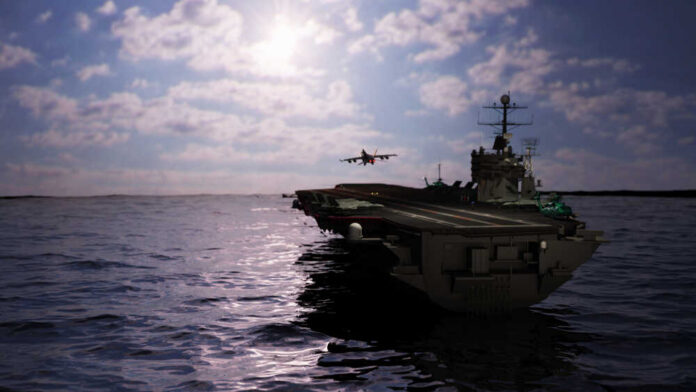
U.S. officials said the Pentagon is sending a third aircraft carrier strike group and additional naval forces to the Middle East, with about 9,000 to 10,000 troops embarked on the ships. Reporting ties the buildup to President Trump’s decision window on Iran, with the added forces designed to strengthen options if he orders new strikes. This surge builds on an already large presence, pushing American sea power near Iran to levels not seen in years.
The carrier movement centers on fast airpower, air defense, and long-range strike. Carrier air wings can fly sustained sorties without host nation bases. Escorts add missile defense and anti-submarine cover. Amphibious ships bring Marines for crisis response and raids. That mix gives commanders deterrent value and a ready playbook if attacks come from Iran or its partners. The point is simple: show strength, protect shipping, and keep choices open for the commander in chief.
Why Now: Tension, Signaling, And Decision Space
The timing reflects rising friction with Tehran and its network, plus recent strikes and threats in the region. The Pentagon’s message is precaution and readiness. The White House message is pressure with options. Analysts call this classic coercive signaling: make clear the United States can hit back hard while leaving room for talks. That mix matches American conservative priorities: peace through strength, freedom of navigation, and a firm line against state-backed terror.
Officials and outside experts agree carriers signal resolve but do not, by themselves, stop Iran’s risk-taking. Deterrence requires more than steel on the water; it needs clear red lines and credible follow-through. That is where this posture helps. It shortens the time from order to action. It also reassures partners who face drone and missile threats. In plain terms, the carriers buy time, reduce surprise, and make any U.S. promise harder to doubt.
What This Build-Up Can Actually Do
Three carriers can surge hundreds of daily sorties, enforce air defense over key lanes, and launch precision strikes against command nodes, air defenses, and drone sites. Destroyers and cruisers can intercept missiles that threaten bases or shipping. Marines afloat can secure embassies or conduct limited raids. None of this guarantees a fight. It means a fight, if ordered, would begin on U.S. terms with local control of the air and sea from day one.
@POTUS @SecRubio @ElonMuskPDA @WestPoint_USMA @USArmy @USMC @PenPizzaReport @gen_jackkeane @mikepompeo
West-Point March 6th Live v.doc Series Lesson Plan.
U.S. bombers are home, the Fairford threat is still the reason, talks are stalled, and Yemen is the active…
— Mike Flynn (@MikeFlynn4157) October 6, 2026
Critics warn that more ships can raise the risk of miscalculation. That point is fair as a general rule. But it ignores how disciplined navies operate. Rules for avoiding incidents are tight. Command chains are clear. And the presence of layered defense reduces the chance that a single rocket, drone, or swarm boat forces the President’s hand. The real danger comes when America looks uncertain. Adversaries test confusion. They tend not to test a fleet built to hit back.
The Track Record: Strength Helps, Diplomacy Decides
Past buildups near Iran did not always lead to war and often paired muscle with messages. Analysts note that the size of a fleet matters less than the clarity of policy. When channels stayed open and red lines were credible, tensions eased. When Tehran saw daylight between words and means, incidents grew. For this surge, the lesson is direct: align the carriers, the talking points, and the consequences. Speak plainly. Enforce what you say. Then stand down only when behavior changes.
Practical goals should guide this posture. Keep the Strait of Hormuz open. Protect partners from drone and missile fire. Deter strikes on U.S. troops. Hold the option to punish Iran’s worst actions without sliding into a broader war. That is achievable with carriers, long-range strike, and allied help. If Tehran backs off, the United States can rotate forces down. If it pushes harder, the United States can act and then reset. Strength first, prudence always, is the common-sense course.
Sources:
ksat.com, english.aawsat.com, latimes.com, nypost.com, gcaptain.com