
A Connecticut college hockey captain died instantly when a wrong-way driver, allegedly twice over the legal alcohol limit, sped past roughly 18 oncoming cars before slamming head-on into his vehicle.
Quick Take
- Guillermo Carmona-Lopez allegedly drove north in the southbound lanes of Interstate 91 on October 16, 2026, killing 21-year-old Ryan O’Shea.
- Police say Carmona-Lopez’s truck struck O’Shea’s Honda head-on, pushing it into the path of more cars and injuring three additional people.
- He faces 13 charges, including manslaughter, drunk driving, and driving on a suspended license, and was arrested at a hospital on November 9.
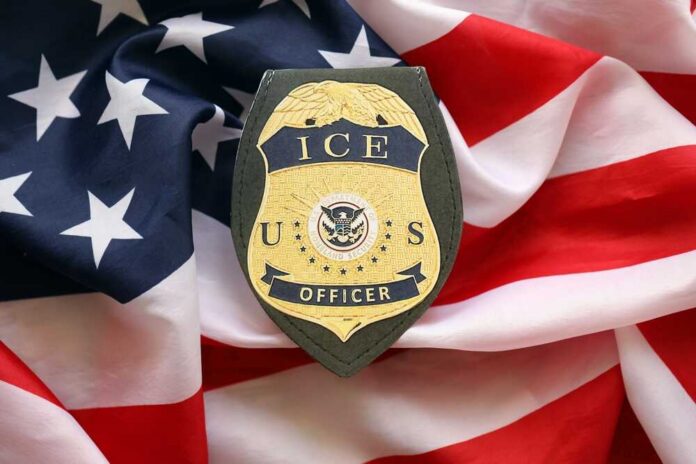
- Immigration and Customs Enforcement (ICE) says Carmona-Lopez had been deported from the United States twice before the crash.
A Head-On Crash In The Wrong Lanes
Connecticut State Police say Carmona-Lopez drove his 2005 Chevrolet Silverado north in the southbound lanes of Interstate 91 near Exit 9 on October 16, 2026. He struck Ryan O’Shea’s 2018 Honda Accord head-on. O’Shea, a 21-year-old University of New Haven senior, died at the scene. The impact reportedly sent O’Shea’s car into another lane, where more southbound vehicles crashed into it, hurting three other people.
Investigators say Carmona-Lopez told police he drank four beers and could not remember anything after getting on the highway. Blood tests reportedly showed his blood alcohol content at 0.22 and 0.21, nearly three times Connecticut’s legal limit of 0.08. Those numbers, if confirmed through trial evidence, would place him well above the threshold tied to the deadliest wrong-way crashes nationwide.
Thirteen Charges, One Arrest Weeks Later
Connecticut State Police obtained a warrant and arrested Carmona-Lopez on November 9, 2026, at Yale New Haven Hospital. He faces 13 counts total, including second-degree manslaughter, manslaughter with a motor vehicle, operating under the influence, reckless driving, wrong-way driving, driving with a suspended license, three counts of assault, and three counts of reckless endangerment. The charges are allegations, and Carmona-Lopez has not been convicted.
Each count tracks a specific piece of the alleged chain of events, from the moment he entered the highway facing traffic to the injuries suffered by drivers who had no way to avoid him. Connecticut outlets including WFSB, FOX61, NBC Connecticut, the Hartford Courant, and News 12 Connecticut all reported the same basic sequence of events, giving the public account unusual consistency across independent newsrooms.
A Record Of Deportation Raises Policy Questions
ICE says Carmona-Lopez had been deported from the United States twice before the October crash and has lodged a detainer seeking custody of him. That detail has fueled renewed debate over Connecticut’s limits on cooperation between local police and federal immigration agents. Supporters of stricter enforcement argue cases like this show the real-world cost of letting repeat deportees slip back into communities unnoticed.
That argument deserves a fair hearing. A twice-deported man allegedly driving drunk the wrong way down a packed interstate is exactly the kind of preventable tragedy that tougher enforcement and license checks are meant to stop. Connecticut lawmakers who champion sanctuary-style policies owe O’Shea’s family a direct answer about why this was allowed to happen twice.
Remembering A Hockey Captain And Senior
O’Shea, of Stony Point, New York, was a senior at the University of New Haven and a leader on its hockey team. Teammates and coaches have described him as the kind of player who held a locker room together, and his family has publicly pushed for accountability since his death. His loss has rippled through a small college community that now faces the holidays without him.
Wrong-way crashes are rare compared to ordinary collisions, but they are brutally lethal. Researchers counted 4,164 fatal wrong-way crashes on divided highways nationwide between 2014 and 2023, killing 5,730 people. Federal safety investigators have found alcohol involved in roughly 60 percent of fatal wrong-way crashes, with many impaired drivers testing far above the legal limit, a pattern that matches what Connecticut investigators allege here.
O’Shea’s death fits a grim national trend, but it is also a specific, documented case moving through Connecticut’s court system. Investigators have laid out a direct chain from the alleged wrong-way driving to the fatal impact and the charges that followed. What happens next rests with a jury, not a headline, but the facts gathered so far paint a clear and devastating picture of that October night on Interstate 91.
Sources:
foxnews.com, ice.gov, lohud.com, wfsb.com, fox61.com, greenwichtime.com, courant.com, connecticut.news12.com, brooklyn.news12.com, scholarworks.uark.edu