
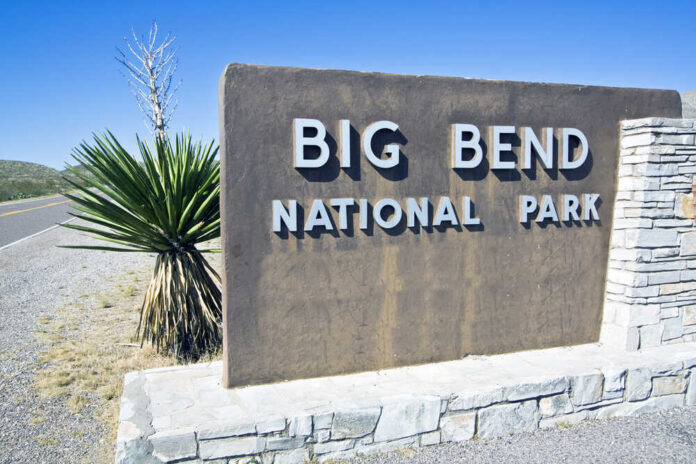
Washington hit the brakes in Big Bend after bulldozers met a wall of Texas sheriffs, park veterans, and public backlash.
Story Snapshot
- Homeland Security temporarily paused border construction inside Big Bend National Park.
- U.S. Customs and Border Protection awarded $1.7 billion tied to Big Bend projects earlier this year.
- Local sheriffs and park leaders argue the terrain already blocks crossings and the build is mis-aimed.
- Officials say plans include roads and vehicle barriers, not a 30-foot wall through the park.
What Paused, Where, and Why It Matters
The Department of Homeland Security paused border work inside Big Bend National Park as the U.S. Customs and Border Protection chief planned a site visit to decide next steps. The halt followed days of public outcry and claims of bulldozers cutting into sensitive areas.
Critics said work threatened river canyons and wildlife and would not fix the actual crossing problem here. The pause is temporary, so the core fight over what gets built, and where, is far from settled.
Federal spending records show a $1.7 billion award tied to construction in the Big Bend region, labeled for border wall work, and directed to a major contractor. That number drew national attention. Later briefings stressed a blend of patrol roads, vehicle barriers, and surveillance, not a new park-spanning concrete wall.
Local reports tracked those clarifications as officials pushed back on viral claims of a towering wall through canyons. The tension between label and scope fueled confusion—and fury—on the ground.
Local Lawmen and Park Veterans Push Back
All five Big Bend-area sheriffs signed a joint statement saying the region’s steep mountains, deep canyons, harsh desert, and the Rio Grande form natural barriers that already stop most traffic.
Terrell County Sheriff Thaddeus Cleveland, a Republican and former Border Patrol agent, said he backs border security but opposed the planned vehicle barriers in his county. He argued parts of the route target places no vehicle can pass anyway, raising doubts about fit and value. That is a practical critique, not an ideological one.
Trump admin briefly pauses contentious border project in Texas' Big Bend National Park https://t.co/pI43L9tIIg pic.twitter.com/Gn21jKFLLK
— New York Post (@nypost) August 18, 2026
Former Big Bend National Park superintendents urged the Department of Homeland Security to avoid waiving laws that protect the park. They called the proposed park build unnecessary and highly destructive, and asked leaders to slow down and follow normal review steps.
Their letter carried the weight of decades of service in the National Park Service. The argument centered on risk to the river corridor, cultural sites, and the tourism economy that depends on the park’s wild character.
What The Research Says About Barriers In Tough Terrain
Published studies show barriers can reduce crossings in some places, but results depend on terrain and enforcement. Rugged land and low infrastructure can limit effects because barriers still need people, sensors, and roads to work well.
Some economists have found sizable drops in crossings after fencing, while policy reviews point to mixed or small gains overall. Big Bend’s sharp canyons and sparse access make it a classic case where design and placement matter more than generic mileage built.
🇺🇲Border construction was halted today at Big Bend National Park, at least temporarily.
It just so happened that some of the park’s major attractions were in the way of a new patrol road and vehicle barriers being bulldozed along the southern border.
The work has drawn… pic.twitter.com/fOc7pLMVnW
— Mario Nawfal (@MarioNawfal) August 18, 2026
That nuance supports a common-sense test. If the aim is to stop vehicle smuggling, place barriers where vehicles can actually go. If the aim is faster patrols, build roads that do not open fresh routes for criminals.
If the aim is deterrence, stack the right mix of eyes, roads, and obstacles on the segments that carry traffic today. Taxpayers deserve proof that each mile delivers safety, not headlines. That is law-and-order thinking with respect for the land.
The Path Forward: Clarity, Targeting, and Accountability
Federal leaders can reset the project with clear maps, transparent goals, and on-site input from sheriffs, rangers, and river users. The label on a contract should match the real build plan, line by line. A pause is useful only if it leads to tighter targeting and better outcomes.
Start with the busiest corridors outside the park. Use roads and barriers as tools, not trophies. Protect the canyons that make Big Bend unique while closing gaps that smugglers actually use.
Sources:
bigbendsentinel.com, fox26houston.com, newsmax.com, usnews.com, spectrumlocalnews.com, newsweek.com, san.com