
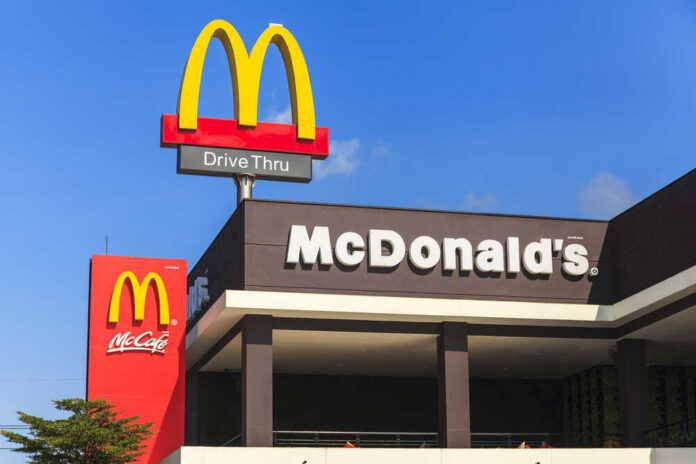
A federal judge just said the McRib name and shape may reasonably suggest rib meat—and that claim now heads to court.
Story Snapshot
- Judge April Perry let core deception and fraud claims proceed against McDonald’s.
- Plaintiffs say the McRib’s name and rib-like patty imply rib meat, not other pork.
- Consumer surveys cited by plaintiffs report most buyers expected rib meat.
- Five claims were dismissed, but the central case moves on.
Judge’s Ruling Keeps The Heart Of The Case Alive
United States District Judge April Perry refused to dismiss key claims that McDonald’s misled buyers about what is in the McRib. The October 30, 2026 order kept consumer-deception, fraud, and unjust-enrichment theories in the case. The judge wrote it was too early to rule that no reasonable consumer could expect rib meat from the McRib name and rib-shaped patty. She also noted that people are not required to research a low-cost sandwich before buying it.
The court’s decision does not decide whether McDonald’s misled anyone. It only means the plaintiffs alleged enough to move to discovery and, later, possible trial. The court also trimmed the case, dismissing five claims without prejudice. That narrows the fight but leaves the core allegation intact: the McRib’s name, look, and marketing could plausibly suggest rib meat to an ordinary customer.
What The Lawsuit Says The McRib Promises Versus Delivers
The complaint argues that McDonald’s chose the McRib name and rib-like shape to signal rib meat, which costs more than other pork cuts. It claims the patty instead uses restructured pork from other parts and organs, not meat from ribs. The filing points to advertising and the molded patty design as signals that matter at the moment of purchase. McDonald’s denies those claims and describes the sandwich as pork or seasoned boneless pork.
The plaintiffs say this is not a word game. They argue the name and design led customers to pay for a perceived upgrade: rib meat. They want damages for that alleged price premium and an order that would stop naming and marketing they view as deceptive. That theory mirrors a common path in food-label suits, where the name and front-facing imagery do most of the talking—and the buying.
The Reasonable Consumer Standard Drives The Stakes
Courts use a simple test in these cases: would an ordinary buyer likely be misled? That standard focuses on the overall message, not fine print, especially with quick food buys. Judges often let claims proceed when a name or image can support a clear expectation, then sort out the truth with evidence on ingredients, labels, and buyer behavior. That base rate explains why this ruling matters now, even though it is not a final win for either side.
Plaintiffs attached survey summaries that say most respondents expected rib meat from the McRib name and shape. One cited figure is 72 percent. Another says 67 percent viewed rib meat as important to their choice. The numbers, if sound, fit the legal test. But surveys only help if they fairly reflect likely buyers and the actual marketing they saw. Those design details will draw fire in discovery and expert review.
What Will Likely Decide This Case Next
The turning point will be proof. Plaintiffs will seek supplier specs, formulation sheets, and factory records to identify the patty’s exact makeup. They may pursue lab testing of controlled samples. They will also chase internal records showing why the chain molded the patty like ribs and tested the McRib name. If those files show the company expected buyers to infer rib meat, the plaintiffs’ theory grows stronger.
McDonald’s will press a different line. The company will likely lean on ingredient disclosures, long-standing brand identity, and common sense: a boneless, value sandwich with a molded patty is not a rack of ribs. It will challenge the surveys, argue no price premium, and stress that many buyers treat McRib as a flavor style, not a butcher’s label. The company’s larger resources, expert bench, and records access make that a serious defense.
Why Ordinary Buyers Should Care
This fight is bigger than one sandwich. If names and shapes can imply premium cuts, fast-food marketing may shift. Clearer labels would follow, or brands would pick safer names. If McDonald’s wins, chains will feel freer to use shape and style cues without fear that courts will read them as ingredient promises. Either way, the message is the same: in a quick-serve world, the front of the menu matters more than the back—and judges know it.
Sources:
upi.com, moneytalksnews.com, ijr.com, abc12.com, yahoo.com, cincinnati.com